

♥ Wishlist
Compare 51 verified Wine Coolers for Convenient Wine Storage products in Australia. Reviews, ratings, pros, cons and buying advice updated for October 2026.


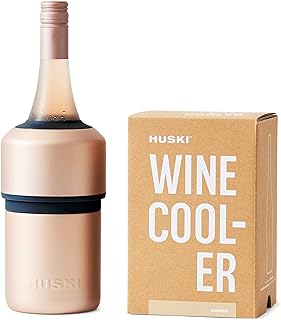


Choosing a wine cooler in Australia involves more than selecting a cabinet with a temperature display. The right wine fridge should suit the wines you actually drink, the space available in your home, the Australian climate, your preferred serving temperatures and the number of bottles you expect to store. Capacity, temperature control, cooling technology, shelving, noise, energy consumption, door design and installation requirements can all affect whether a particular model is a sensible long-term purchase.
This buying guide is designed to help Australian shoppers compare wine coolers on the features that matter in everyday use. Whether you need a compact wine fridge for a kitchen, a freestanding cabinet for entertaining, a dual-zone model for keeping different wine styles at suitable temperatures, or a larger cellar-style unit, the most appropriate choice depends on how you intend to use it.
Before comparing individual models, establish what the wine cooler needs to do. A smaller household that usually drinks a few bottles each week has very different requirements from a collector who wants longer-term storage for several varieties.
Wine coolers are commonly marketed according to the approximate number of bottles they can hold. That figure is useful for initial comparison, but it should not be treated as a guarantee of usable storage for every collection.
Standard 750 ml bottles come in many shapes. Bordeaux bottles are relatively straightforward to stack, while Burgundy bottles, Champagne bottles and other wider designs can require more shelf space. Decorative labels, bottle necks and removable shelves can also affect how efficiently the cabinet can be organised.
If your collection includes a mixture of bottle shapes, consider choosing a cabinet with adjustable or removable shelving. This gives you more flexibility than a tightly fixed shelf arrangement. Buyers who expect their collection to grow should also avoid selecting a cooler solely because its advertised capacity exactly matches their current number of bottles.
Compact wine fridges can make sense for apartments, smaller kitchens, home bars and households with a modest collection. Their smaller footprint can be a major advantage when floor space is limited.
The trade-off is storage flexibility. A compact unit may have fewer shelves, less room between levels and limited space for unusually shaped bottles. Before buying, check whether the dimensions are suitable for the bottles you normally purchase rather than assuming every advertised bottle will fit equally well.
Medium-capacity cabinets provide a useful balance between footprint and storage. They can suit households that regularly buy wine for personal consumption and entertaining without requiring a dedicated cellar.
For this category, shelf construction, temperature stability, door quality and internal layout can become more important than simply maximising bottle count.
Larger cabinets are more appropriate when wine storage is a significant part of the home's entertaining or collection needs. A larger cabinet can also reduce the temptation to overcrowd shelves, provided there is adequate room for installation and ventilation.
Large units require greater attention to placement, power consumption, access and door clearance. Measure the route through doorways and hallways before purchasing a particularly large appliance.
One of the most important buying decisions is whether to choose a single-temperature cabinet or a dual-zone model.
A single-zone wine cooler maintains one principal temperature setting throughout the cabinet. This design is straightforward and can be a practical choice when most of the collection consists of wines that you intend to store or serve under similar conditions.
Single-zone models can also simplify organisation because every shelf is subject to the same temperature setting. They are worth considering when simplicity, capacity and straightforward operation are more important than separating wine styles.
Dual-zone wine fridges divide the cabinet into two independently controlled temperature areas. This can be particularly useful for households that regularly enjoy both reds and whites and want them kept at different serving temperatures.
A dual-zone design does not automatically make a wine cooler better. It adds flexibility, but it can also increase complexity and may reduce the amount of space available compared with a similarly sized single-zone cabinet. Buyers should therefore pay for two zones only when they have a practical reason to use them.
Temperature management is central to the purpose of a wine cooler. The ideal setting depends on the wine, whether the objective is short-term serving convenience or longer-term storage, and the manufacturer's operating specifications.
A useful wine fridge should make it easy to select and monitor the intended temperature. Digital controls can be convenient, while an internal or external display makes routine checking simpler. Some models provide separate controls for different zones, while others offer a single control system.
Do not assume that the lowest possible temperature is automatically the best setting. Wine storage is about maintaining an appropriate and stable environment rather than simply making the cabinet as cold as possible.
Frequent temperature swings can be undesirable for wine storage. When comparing models, look beyond the number shown on the display and consider how the cabinet is designed to maintain its selected environment under normal operating conditions.
Door opening, ambient temperature, cabinet loading and ventilation can all influence cooling performance. A wine fridge placed in an unsuitable location may struggle to perform as intended even when the appliance itself is well designed.
Cooling technology is another important comparison point.
Compressor-based cooling is widely used in refrigeration appliances and is particularly relevant for larger wine cabinets. These systems use a refrigeration cycle to remove heat from the cabinet.
When comparing compressor models, pay attention to operating noise, vibration control, ventilation requirements and the manufacturer's recommended ambient operating conditions. These factors can matter more in a home environment than the cooling technology name alone.
Thermoelectric wine coolers use a different cooling principle and are often associated with smaller cabinets. They can be attractive when low mechanical complexity and compact design are priorities.
Their suitability depends heavily on the environment in which they will operate. In a warm Australian room, ambient conditions can become particularly important, so check the manufacturer's specified operating range before choosing a thermoelectric unit.
Noise is easy to overlook when shopping online because product specifications often focus on capacity and temperature range. In reality, sound can have a significant effect on satisfaction if the cooler is installed in a quiet room.
Consider where the cabinet will operate. A small amount of background appliance noise may be irrelevant in a busy kitchen but much more noticeable in a dining room, study or entertainment space.
Vibration is another consideration for wine storage. Look for construction and shelving designed to keep bottles stable during normal operation. Avoid placing a wine cooler where external vibration from heavy appliances or unstable flooring could become an issue.
Shelving determines how easy the cabinet is to use. A good internal layout should provide practical access to bottles without requiring you to remove several bottles simply to reach one at the back.
Check whether shelves can be removed without obstructing the door or internal components. Also consider the spacing between shelves, especially if you regularly buy sparkling wines or unusually shaped bottles.
The door is both a visual feature and part of the cabinet's environmental control system. Many wine coolers use glass doors so that the collection can be displayed without opening the cabinet.
A glass door can make a wine fridge attractive in a home bar or entertaining area, but buyers should consider insulation and protection from light. Wine should generally be protected from excessive exposure to light, so the location of the cooler matters even when the door incorporates protective glazing.
Solid doors provide a different aesthetic and can reduce visibility of the collection. Whether glass or solid is preferable depends on the installation environment and personal priorities.
Do not assume that every wine cooler can safely be installed underneath a kitchen bench or inside cabinetry. Appliance ventilation requirements differ by design.
A freestanding model is intended to operate with the clearance specified by its manufacturer. It can be convenient for a kitchen, dining area, home bar or other location where the cabinet can remain exposed.
Built-in models are designed for integration into cabinetry or under-counter installations. Their ventilation design is particularly important because heat generated by the cooling system must be managed correctly.
Before installation, check the manufacturer's required clearances, ventilation provisions, power requirements and installation instructions. Never rely solely on the external dimensions when planning a built-in installation.
A wine cooler operates continuously, so energy consumption deserves consideration alongside its purchase price. A cheaper appliance that uses more electricity may not represent the best long-term value.
When comparing models, look for the available energy information and consider cabinet size, cooling technology, insulation, ambient conditions and expected operating time. Larger wine fridges naturally have different energy requirements from compact units, so compare like with like rather than focusing on a single number without context.
Placement can also influence efficiency. Keeping the cabinet away from excessive heat and providing the manufacturer's recommended ventilation can help the appliance operate under its intended conditions.
Australian homes can experience substantial differences in indoor temperature depending on location, season and building design. A wine fridge that works in a consistently cool, air-conditioned room may face different conditions in a warm room during summer.
Check the manufacturer's specified ambient operating range before buying. This is particularly important if you intend to install the appliance in a garage, enclosed patio, utility room or another area that can become considerably warmer than the main living space.
For Australian buyers, the ability of a wine cooler to operate reliably in the intended environment should be treated as a core specification rather than an afterthought.
Premium features are not automatically useful for every buyer. Touch controls, elaborate lighting, connectivity and decorative finishes can increase appeal without improving the fundamental suitability of the cabinet.
For a practical home wine fridge, prioritise appropriate temperature control, suitable capacity, reliable construction, sensible shelving, correct ventilation and an installation location that matches the appliance's specifications.
Brand recognition can provide a useful starting point, but it should not replace specification-by-specification comparison. Established appliance and wine-storage brands such as Vintec, Liebherr, Haier, Devanti, Husky and EuroCave may appear across different segments of the wine storage market, but individual models can differ substantially.
When comparing brands, assess the specific model rather than assuming every product from a particular manufacturer has identical performance or construction. Check capacity, dimensions, temperature zones, operating conditions, shelving, noise information, energy details and the manufacturer's installation requirements.
A large advertised capacity does not necessarily mean a cabinet will accommodate your collection conveniently. Bottle shape, shelf spacing and usable configuration can make a significant difference.
Installing a cooler in a location outside its specified operating conditions can affect performance. Always consider the hottest and coldest conditions the installation area is likely to experience.
Two zones can be valuable, but if your collection does not require separate temperatures, a simpler single-zone cabinet may be a better fit.
A cabinet may physically fit into an opening but still be impractical if the door cannot open far enough to remove shelves or bottles comfortably.
Buyers who regularly store Champagne, sparkling wine or broad Burgundy-style bottles should check internal dimensions rather than relying on the headline capacity.
Not every wine fridge is designed for enclosed installation. Follow the manufacturer's ventilation and clearance instructions to avoid compromising appliance operation.
The best location is one that provides appropriate ventilation, stable environmental conditions and convenient access.
Good organisation makes a wine fridge easier to use and can reduce unnecessary door opening. Group bottles by type, drinking occasion, region or personal preference.
Keep frequently consumed bottles where they can be reached easily. Reserve less frequently accessed bottles for areas that are harder to reach. If the cabinet uses multiple temperature zones, organise each zone according to the intended temperature rather than simply filling shelves in chronological order.
Leave the shelving configuration flexible enough to accommodate your collection. Removing one shelf may sometimes provide more practical value than trying to maximise the advertised bottle count.
Different wine styles are commonly served at different temperatures, which is one reason dual-zone wine fridges can be attractive. However, storage temperature and serving temperature are not necessarily identical concepts.
For longer-term storage, consistency is generally more important than repeatedly changing the temperature for individual bottles. For immediate serving, a multi-zone cabinet can make it easier to keep different styles ready according to the preferences of the household.
Rather than choosing a model because it advertises an unusually broad temperature range, confirm that it can provide the settings appropriate to the wines you intend to store and that the manufacturer specifies suitable operating conditions for your environment.
Regular maintenance can help keep the cabinet hygienic and operating as intended. Follow the manufacturer's cleaning instructions for the particular model.
Maintenance requirements vary by appliance design. Some routine tasks can be completed by the owner, while refrigeration-related faults or electrical problems should be handled according to the manufacturer's service instructions and by appropriately qualified professionals where required.
Do not attempt to modify refrigeration components or electrical systems simply to resolve a performance problem. If the cabinet is not maintaining its intended temperature, consult the documentation for troubleshooting steps and service options applicable to the model.
A standard household refrigerator is designed for general food storage and everyday cooling. A dedicated wine cooler is designed around the specific requirements of storing and presenting wine.
Wine fridges typically offer bottle-oriented shelving, temperature controls suited to wine storage and layouts that make it easier to organise a collection. A standard refrigerator may be perfectly adequate for temporarily chilling a bottle before serving, but it is not necessarily the best solution for maintaining a dedicated wine collection.
A wine cooler provides a controlled appliance-based storage environment without requiring a dedicated room. This makes it practical for many Australian homes where building a traditional cellar is impractical.
A purpose-built wine cellar can provide substantially more storage space and may be preferable for a large collection, but it involves different considerations such as insulation, environmental control, construction and ongoing management.
For most households, the decision should begin with the size of the collection and the desired level of control rather than the assumption that one storage method is universally superior.
There is no single price point that defines the best wine fridge. Budget should be matched to capacity, construction, temperature control, installation requirements and expected frequency of use.
A basic compact cabinet may be sufficient for occasional wine drinkers, while a larger collection can justify spending more on adjustable shelving, multiple zones, stronger construction or installation-specific features.
Instead of comparing price alone, calculate the practical value of the features you will actually use. Paying extra for a feature that does not address a real requirement is less useful than choosing a slightly simpler model with a better layout and more suitable operating conditions.
Customer reviews can provide useful information that is not always obvious from a specification sheet, but they should be interpreted carefully.
A high overall rating is useful, but recurring comments about a specific weakness can be more informative when deciding between otherwise similar wine coolers.
When two models have similar capacity and prices, compare the details that affect everyday ownership. Start with dimensions and installation type, then examine temperature zones, usable shelf space, ambient operating range, door design, noise information and energy consumption.
Next, consider practical differences such as whether shelves can be removed, whether the door can be reversed, whether the display is easy to read and whether the cabinet accommodates your preferred bottle shapes.
The better model is the one that fits your specific environment and collection rather than the one with the longest feature list.
For households that frequently entertain, accessibility and presentation can be especially important. A glass-front cabinet with useful interior lighting can make it easier to identify bottles without repeatedly opening the door.
Capacity also matters because entertaining can quickly increase the number of bottles stored at one time. Consider whether the cooler has enough practical space for your normal entertaining patterns without overcrowding shelves.
Collectors should place greater emphasis on temperature consistency, storage flexibility, bottle protection, capacity growth and long-term usability.
Adjustable shelving can be particularly valuable for collections containing bottles with different dimensions. A cabinet that offers some unused capacity may also be preferable to one that must remain densely packed to meet storage requirements.
Collectors should additionally consider how the cabinet's controls, door design and operating environment align with the intended storage period and the manufacturer's recommendations.
Apartment buyers often need to balance capacity against floor space. Compact dimensions, manageable noise and flexible placement can therefore be more important than maximum bottle count.
Measure the proposed location carefully, including the space required to open the door. Consider the surrounding furniture and whether ventilation clearances can be maintained without compromising usable room space.
A home bar provides an opportunity to prioritise presentation as well as functionality. A glass door, interior lighting and an attractive finish can complement the surrounding cabinetry.
However, appearance should not come at the expense of practical operation. Check that the cooler can operate within the ambient conditions of the bar area and that the ventilation arrangement is compatible with the installation design.
For most Australian buyers, the strongest approach is to start with the installation environment and collection size rather than the brand name. Once those requirements are established, narrow the choice using temperature zones, bottle capacity, shelving, noise, energy use and design.
If the cabinet will live in a quiet indoor area, noise and vibration may be more important. If it will be installed in a warm room, the specified ambient operating range deserves greater attention. If the collection includes many different bottle shapes, flexible shelving can be more valuable than a larger headline capacity.
For buyers who want simplicity, a well-specified single-zone cabinet may be sufficient. For households that regularly serve both red and white wines and want separate temperature settings, dual-zone storage may justify the additional complexity.
The best wine cooler is not necessarily the largest, most expensive or most feature-packed model. It is the cabinet that provides suitable temperature control, practical storage, appropriate installation characteristics and dependable day-to-day usability for your particular collection.
Before purchasing, compare the complete specifications rather than relying on marketing headlines. Check the exact model number, capacity, dimensions, temperature zones, operating conditions, shelving, ventilation requirements and available energy information. Then use verified customer feedback to identify recurring ownership issues that may not appear in the specification sheet.
Australian shoppers should also pay particular attention to the location where the wine cooler will operate. Ambient temperature, ventilation and available space can have a meaningful impact on appliance suitability. A model that looks ideal on paper may be a poor choice if it cannot be installed according to the manufacturer's requirements.
Finally, compare current specifications and customer feedback across reputable Australian retailers before making a purchase. Prices, stock levels, promotions and retailer policies can change, so check the latest information at the time you buy rather than relying on an older comparison.
The best wine cooler depends on your bottle collection, available space, preferred wine styles, temperature requirements and budget. A compact single-zone model can suit a smaller collection, while a dual-zone or larger cabinet may be more appropriate for households storing several wine styles or a growing collection.
Dual-zone wine coolers can be worthwhile when you regularly want different sections of the collection maintained at different temperatures. If you normally store similar wines under one temperature setting, a single-zone cabinet may provide a simpler and more efficient solution.
Choose capacity based on both your current collection and expected growth. Remember that advertised capacity is often based on a particular bottle shape, so a cabinet rated for a certain number of standard bottles may hold fewer bottles when your collection contains wider or unusually shaped designs.
For dedicated wine storage, a wine cooler provides a purpose-designed environment with bottle-oriented shelving and wine-focused temperature control. A standard refrigerator can still be useful for temporarily chilling individual bottles before serving.
Only if the specific model is designed to operate safely and effectively within the garage's ambient conditions. Garages can become substantially hotter or colder than indoor living areas, so check the manufacturer's specified operating temperature range before installation.
Not necessarily. Freestanding and built-in wine coolers can have different ventilation designs. Check the manufacturer's installation requirements before placing any appliance inside cabinetry or beneath a countertop.
Energy consumption varies according to cabinet size, cooling system, insulation, ambient conditions and operating characteristics. Compare the available energy information between similar models and consider where the appliance will be installed.
A glass door can be suitable when the cabinet is designed for wine storage and provides appropriate protection and environmental control. Placement still matters because excessive light and heat can be undesirable, so follow the manufacturer's guidance and choose an appropriate location.
Noise can be very important when the cabinet is placed in a bedroom, study, dining room or quiet living area. In a busy kitchen, it may matter less. Compare available noise information and consider the installation environment before choosing a model.
Look for a shelf arrangement that suits your bottle collection. Adjustable or removable shelves provide greater flexibility, while sliding shelves can make bottles easier to access. If you store sparkling wine or unusually shaped bottles, check the actual shelf dimensions before buying.
Follow the manufacturer's cleaning instructions for the exact model. Generally, bottles and removable shelves can be taken out carefully while internal surfaces and door seals are cleaned using the methods specified in the appliance documentation. Ventilation areas should also be kept clear of dust and obstructions.
There is no universal replacement interval. A wine cooler should be assessed according to its condition, cooling performance, energy consumption, noise, reliability and availability of appropriate service or replacement parts. If an appliance develops a fault, consult the manufacturer's troubleshooting and service guidance before deciding whether replacement is necessary.
Both matter, but the priority depends on your collection. A large cabinet with unsuitable temperature control is not a good storage solution, while a perfectly controlled cabinet that cannot accommodate your collection will also be impractical. Aim for a balance between usable capacity and appropriate environmental control.
A lock can be useful when access needs to be controlled, particularly in households with children or in shared entertaining areas. It is not an essential feature for every buyer, so consider your specific circumstances.
No. Higher-priced models may offer additional capacity, construction quality, controls or installation options, but those features are valuable only when they match your requirements. Compare the complete specifications and practical usability rather than assuming price alone indicates suitability.
Compare their exact dimensions, usable shelf configuration, temperature zones, operating range, ventilation requirements, noise information, energy characteristics and bottle compatibility. Then consider verified customer feedback and the reputation of the specific model rather than choosing solely by brand or headline capacity.