

♥ Wishlist
Compare 56 verified Floating Shelves and Wall Hooks for Stylish Storage products in Australia. Reviews, ratings, pros, cons and buying advice updated for October 2026.


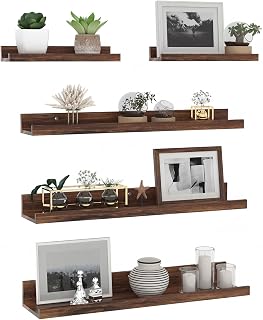


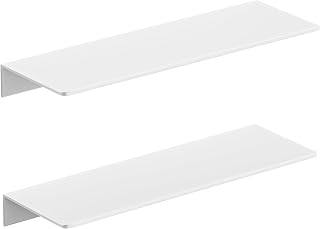


Choosing floating shelves or wall hooks is less about appearance alone and more about matching the product to the wall construction, intended load, installation method, environment and frequency of use. A shelf that looks suitable in a product photograph may perform very differently depending on whether it is mounted to plasterboard, masonry, timber studs or another wall surface.
For Australian homes, apartments, rentals, offices and utility areas, the most useful comparison is therefore not simply which product has the highest rating. Consider the complete installation system: shelf or hook material, bracket design, fixing hardware, mounting points, maximum supported weight, dimensions, finish, included components and the type of items you intend to store or hang.
Floating shelves and wall hooks solve related but different storage problems. Floating shelves create a horizontal surface for displaying or storing objects, while hooks provide a convenient vertical hanging point for frequently used items.
The wall is part of the storage system. Before purchasing, identify whether the mounting surface is plasterboard, drywall, solid masonry, brick, concrete, timber or another material. The appropriate fixing method can differ substantially between these surfaces.
Plasterboard installations require particular attention because the strength of a fixing depends on the fixing type, the condition and thickness of the board, the location of studs and the way the load is distributed. Where a shelf is expected to carry substantial weight, locating suitable structural support is generally more important than choosing a shelf with an impressive-looking bracket.
Masonry walls can provide strong anchoring when the correct hardware and installation technique are used, but brick, mortar joints and concrete are not interchangeable. Check the manufacturer's installation instructions and use hardware appropriate for the actual substrate.
Never evaluate weight capacity by looking only at the shelf material. The practical capacity of an installed shelf depends on the shelf itself, the brackets or concealed support system, fasteners, wall construction, installation quality and how the load is positioned.
A load placed near the front edge can create different forces from the same weight positioned close to the wall. This is especially relevant for deep floating shelves, bookshelves and shelves that will be used for heavier objects.
Width, depth and thickness all influence usability. A narrow shelf can work well for photographs or small decorative objects, whereas books and larger household items may require substantially more depth.
Measure the intended wall area before buying. Also account for doors, windows, light switches, furniture, skirting boards and other nearby features. A shelf that technically fits a wall may be inconvenient if it interferes with normal movement or access.
Common floating shelf materials include solid timber, engineered wood, MDF, particleboard, laminated boards and metal. Each has different visual and practical characteristics.
True floating shelves typically conceal their supporting hardware so that the shelf appears to extend directly from the wall. This creates a clean appearance, but the concealed mounting system still has to transfer the shelf load into the wall.
When comparing products, inspect how the shelf attaches to the concealed support. A visually similar pair of shelves can use very different internal structures, so the product specification and installation instructions are more useful than photographs alone.
Shelves with visible brackets are not technically floating in the strictest sense, but they can offer a practical alternative. Brackets may provide additional visual character and can make the support system easier to understand and inspect.
For some installations, a well-designed visible bracket may be preferable to choosing a minimalist shelf solely for appearance. The right choice depends on the room style, available wall support and expected load.
Some shelf designs incorporate a rear rail or back panel. This can affect both appearance and installation. A rear component may also help prevent stored objects from sliding directly into the wall, although the specific function depends on the design.
Single hooks provide flexibility because they can be positioned individually. Multi-hook rails are useful where several items need to be organised in a predictable row.
The shape of a hook affects what can be stored on it. A small rounded hook may be convenient for keys or lightweight accessories, while a deeper hook can accommodate bags, towels or larger handles.
Also consider whether the hook has exposed sharp edges, a narrow contact point or a finish that could mark delicate materials.
A product with several mounting points may distribute force differently from one secured through a single point. However, additional holes do not automatically make a product stronger if the wall fixings are unsuitable or poorly installed.
Metal, timber, plastic, ceramic and combinations of materials are commonly used for wall hooks. The best choice depends on location and intended use.
Adhesive hooks can be attractive for renters, temporary organisation and lightweight objects because they avoid conventional drilling. They should not automatically be treated as an equivalent substitute for mechanically fixed hardware.
Before using an adhesive hook, check the manufacturer's requirements for surface preparation, curing time, temperature, humidity, load and removal. Painted, textured, dusty, porous or damaged surfaces may behave differently from smooth surfaces.
Screw-mounted hooks are generally the more appropriate option when the intended load, frequency of use or installation location demands a mechanically secured attachment. The correct fixing must still match the wall material.
Living-room shelves are often used for books, photographs, ornaments, plants and small electronics. Prioritise dimensions, visual balance and load distribution. A shelf carrying books requires different considerations from one displaying a few lightweight decorative pieces.
Bedroom shelves can provide compact storage for books, small personal items, photographs and decorative objects. Wall hooks can also help organise bags, robes, hats and clothing accessories.
Kitchen shelving needs particular attention to moisture, heat, cleaning and grease exposure. Choose finishes and materials according to the manufacturer's care instructions, and avoid placing wall-mounted storage where heat or steam could compromise the product or mounting system.
Bathrooms expose storage products to higher humidity and occasional direct moisture. Check whether the product is intended for humid environments and consider corrosion resistance, water exposure and cleaning requirements before purchasing.
An entryway is an excellent location for combining a shelf and hooks. Hooks can hold bags, hats and jackets, while the shelf can store keys, sunglasses and other smaller objects. Keep frequently used items within comfortable reach and avoid creating an obstruction in a narrow passage.
Hooks can help organise cleaning accessories, reusable bags and lightweight tools. Shelves can provide additional vertical storage, but moisture and the weight of stored supplies should be considered carefully.
White shelves can blend into light-coloured walls and work well in modern interiors. They can also make a compact room feel less visually crowded.
Wood-look and natural timber shelves introduce warmth and texture. When comparing products, distinguish between genuine timber and decorative wood-effect finishes because their appearance, construction and care requirements may differ.
Black shelving can create a strong contrast against lighter walls and suit contemporary or industrial interiors. Dust and scratches may be more visible depending on the finish.
Industrial designs commonly combine wood-look boards with metal components. These can work particularly well in utility spaces, studies and contemporary interiors.
When comparing several floating shelves or wall hooks, avoid relying on a single rating or headline feature. A more useful comparison considers the complete specification.
Customer reviews can provide useful information, but they should be interpreted in context. Look for reviews that explain the installation surface, intended use and length of use rather than relying solely on a star rating.
A shelf can look excellent in product photography but still be unsuitable for a particular wall or load. Treat appearance as one selection criterion rather than the entire decision.
The strongest shelf cannot compensate for an inappropriate fixing method. Identify the wall material before selecting the installation hardware.
A stated maximum should not be interpreted as an invitation to load the shelf to its limit. Consider the actual objects, their combined weight and how they will be positioned.
Depth affects both storage capacity and room clearance. A deep shelf may be useful for books but awkward above a narrow walkway.
Some products include mounting hardware while others may require additional fixings appropriate to the wall. Confirm what is included before beginning installation.
A product suitable for a dry bedroom may not be appropriate for a damp bathroom or laundry environment. Material and finish should be considered alongside the location.
Always follow the product's supplied installation instructions. Measure carefully, mark mounting points accurately and verify that the selected fixing method is suitable for the wall.
For shelves, use a suitable level during installation. Uneven mounting can make objects slide and can place uneven forces on the support system. Where drilling is required, identify hidden services before making holes and use appropriate tools and protective equipment.
If you are uncertain about the wall structure, electrical services, plumbing or appropriate fixing method, consider obtaining advice from a suitably qualified professional rather than relying on assumptions.
Maintenance requirements depend on the material and finish. Regularly remove dust using a method recommended for the surface, and avoid excessive moisture unless the manufacturer specifically permits it.
Periodically inspect wall-mounted storage for signs of movement, loosening, cracking, corrosion, damaged fixings or changes in alignment. A shelf or hook that has started moving should not simply be reloaded; identify the cause before continuing to use it.
For adhesive products, monitor the adhesive bond and follow the manufacturer's replacement and removal guidance. For metal products, check exposed areas for corrosion where the installation is subject to humidity.
Australian shoppers may encounter established home-improvement and storage brands alongside specialist organisers and marketplace products. Depending on the category and current range, names such as IKEA, Bunnings, Command, Kmart, Target and Freedom may appear during product research. Brand recognition should be treated as a starting point rather than proof that a particular shelf or hook is the right choice.
Compare the individual product specification, mounting system, dimensions, materials and customer feedback before making a decision. Product ranges can change, and the specifications of one item should not automatically be applied to another product from the same brand.
A low purchase price can be attractive for lightweight decorative storage, but installation requirements and durability should remain part of the calculation. A more expensive product may offer a different material, finish, mounting arrangement or design, while a simpler product may be perfectly adequate for a lightweight application.
Instead of choosing the cheapest or most expensive option automatically, establish the minimum requirements first. Decide the intended load, dimensions, wall type, location and appearance. Then compare products that meet those requirements on value rather than price alone.
There is no single best floating shelf for every Australian home. The right option depends on the wall construction, intended load, available space, material preference, installation method and room environment. Compare these factors before relying on ratings or popularity.
Some are, but suitability depends on the shelf construction and complete mounting system. Books can create a substantial concentrated load, so check the manufacturer's capacity and installation requirements and ensure the wall fixing method is appropriate.
Adhesive hooks can be useful for suitable lightweight applications when installed according to the manufacturer's instructions. Their performance depends on the surface, environmental conditions, adhesive system, curing procedure and load. They should not automatically be considered equivalent to mechanically fixed hooks.
They can be installed on plasterboard in some circumstances, but the fixing strategy is important. Depending on the shelf and intended load, suitable anchors, studs or other structural support may be required. Follow the manufacturer's installation requirements for the specific product.
Consider the hook's projection, material, mounting method, spacing and intended load. Coats and bags can exert more force than lightweight accessories, particularly when placed on a hook repeatedly throughout the day.
There is no universal spacing requirement. Allow enough vertical clearance for the objects being stored and enough room to remove them comfortably. Also consider the visual proportions of the wall and the height of nearby furniture.
Neither material is universally better. Wood can provide warmth and a traditional or contemporary decorative appearance, while metal can offer a different structural and visual character. Construction, mounting design and intended load are more important than material labels alone.
The appropriate number depends on household usage, available wall width and the size of the items being hung. Leave enough space between hooks so that coats and bags do not interfere with one another.
Included hardware can simplify installation, but it is still important to confirm whether that hardware is suitable for your particular wall. A fixing supplied for one wall type may not be appropriate for another.
There is no universal inspection interval because usage and installation conditions differ. Visually inspect heavily used shelves and hooks periodically, and check them promptly if you notice movement, loosening, cracking, corrosion or changes in alignment.
The strongest shortlist is one based on suitability rather than a generic ranking. Start with wall compatibility and intended load, then compare construction, dimensions, installation requirements, finish, room suitability and customer feedback. Once those fundamentals are satisfied, appearance and price can help determine the final choice.
For Australian buyers in 2026, this approach is especially useful when comparing floating shelves, concealed shelves, wall-mounted storage, coat hooks, adhesive hooks and shelf-and-hook combinations across different retailers and brands. Always verify the current specifications, included components and installation instructions for the exact product before purchase.