

♥ Wishlist
Compare 49 verified Wardrobes and Armoires for Stylish Bedroom Storage products in Australia. Reviews, ratings, pros, cons and buying advice updated for October 2026.


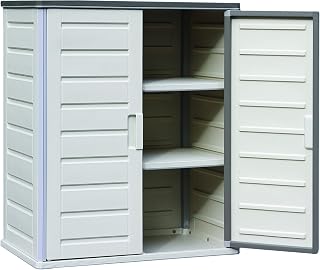


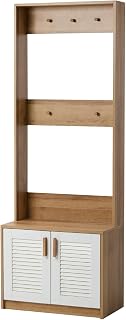


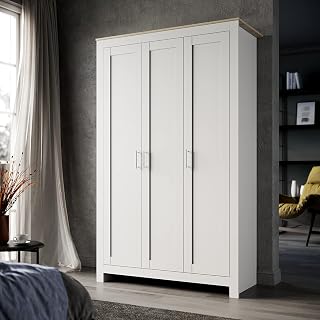

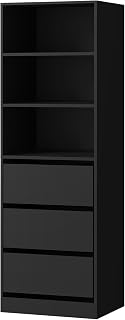


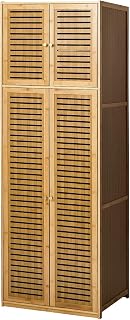


Choosing a wardrobe or armoire is about more than finding enough hanging space. The right piece needs to suit the room's dimensions, storage requirements, construction quality, door configuration, appearance and the practical realities of Australian homes. A wardrobe that looks attractive online may be unsuitable if it cannot fit through a doorway, provides too little shelf space, or requires more assembly than expected.
For an independent buying comparison, look beyond star ratings alone. Customer feedback can help identify recurring concerns, while the manufacturer's specifications reveal dimensions, materials, storage configuration and weight capacity. Brands such as IKEA, Freedom, Fantastic Furniture, Artiss, SONGMICS and vidaXL offer different approaches to bedroom storage, from modular systems and freestanding wardrobes to fabric wardrobes and traditional-style armoires.
Freestanding wardrobes are among the most flexible choices for bedrooms, guest rooms and rental properties. They can generally be positioned without permanent installation and may be easier to replace or relocate than built-in cabinetry. When comparing models, pay close attention to overall width, depth and height rather than relying on photographs.
A freestanding wardrobe is particularly useful when you want a defined furniture piece rather than a wall-to-wall storage system. However, its footprint can be significant, and doors or drawers need sufficient clearance to operate comfortably.
An armoire traditionally combines enclosed storage with hanging space and shelving. It can work particularly well where a furniture-style appearance is important. Armoires may suit bedrooms with classic, rustic or traditional décor, while simpler contemporary designs can blend into modern interiors.
Because an armoire can be deeper and heavier than a basic wardrobe, measure the intended position as well as the route from the delivery entrance to the room. Check whether the construction is intended to be assembled in the final location.
Modular storage systems allow buyers to configure shelves, hanging rails, drawers and other components around their requirements. They can be a strong choice for people whose clothing collection changes over time or who need a combination of short-hanging and long-hanging areas.
The key comparison is not simply the number of components supplied. Consider whether the configuration can be changed later, how securely individual components connect, and whether additional modules are compatible with the original system.
Fabric wardrobes are generally designed for temporary, lightweight or budget-conscious storage. They can be useful in spare rooms, student accommodation, temporary housing and situations where conventional furniture is impractical.
They should not automatically be treated as equivalent to a rigid wooden, engineered-wood or metal wardrobe. The frame design, fabric thickness, zipper quality, shelf construction and stability all influence suitability.
Solid timber can provide a substantial furniture feel and may be attractive for buyers who prioritise natural materials. Wood species, joinery, surface treatment and moisture exposure all matter. A solid-wood wardrobe is not automatically superior simply because it uses solid timber; poor construction can still result in loose joints, alignment problems or inadequate support.
Engineered wood products are widely used in contemporary furniture because they allow manufacturers to produce large panels with consistent dimensions. Common constructions include particleboard and medium-density fibreboard, often finished with laminate, veneer or a decorative surface.
Inspect panel thickness, edge finishing and hardware quality. Areas around hinges, drawer runners and shelf supports deserve particular attention because these locations experience repeated mechanical stress.
Metal wardrobes and wardrobes incorporating steel frames can provide useful rigidity while keeping the visual design relatively simple. For these products, examine tube dimensions, connection points, coating quality and the method used to secure shelves and rails.
Mirrored wardrobe doors can make a bedroom feel more spacious while combining storage with a full-length dressing mirror. They also add weight and introduce a surface that requires careful handling. Check how the doors are supported, whether the mirror is properly integrated into the door structure, and whether the product requires anchoring.
The most useful wardrobe is not necessarily the one with the greatest external dimensions. Internal organisation determines how much of the available space can actually be used.
Measure the available floor width, ceiling height and usable depth before comparing wardrobes. Also measure skirting boards, power points, windows, radiators, light switches and other obstacles that could affect positioning.
Door clearance is especially important. A wardrobe may technically fit within the available wall space while preventing a bedroom door, cupboard door or drawer from opening fully. Sliding-door models can reduce the front clearance required, whereas hinged doors need a clear operating area.
Do not overlook the delivery route. Measure the entrance door, hallway, stairway, lift and tight corners where relevant. For flat-packed furniture, determine the package dimensions as well as the assembled dimensions.
Hinged doors provide full access to individual compartments and are straightforward to operate. Their main disadvantage is the clearance required in front of the wardrobe. In a compact bedroom, that clearance can affect how easily the bed or other furniture can be positioned.
Sliding doors can be advantageous in rooms where floor space is limited because they do not swing outward. The trade-off is that part of the wardrobe opening may remain covered by another door, limiting simultaneous access to the entire interior.
Fabric closures are common on lightweight portable wardrobes. They are convenient and inexpensive in many designs, but they provide a different level of durability and visual finish from rigid doors.
Doors should open smoothly and remain aligned when correctly assembled. Adjustable hinges can make installation easier because they allow minor alignment corrections. When reading customer feedback, recurring comments about doors becoming uneven or difficult to close can be more informative than isolated complaints.
For wardrobes with drawers, investigate whether the runners are basic friction systems or smoother metal mechanisms. Consider the drawer's usable depth, extension range and expected load. A large drawer is not necessarily useful if its runners limit access to the rear.
Removable shelves are only as useful as their support system. Check whether shelf pins are substantial, whether multiple height positions are available and whether the shelves are rated for the type of items you intend to store.
The rear panel contributes to the overall rigidity of many wardrobes. A lightweight backing may be appropriate for some budget furniture, but the method used to attach the back can influence how stable the finished cabinet feels.
Tall furniture can present a serious tip-over hazard, particularly in households with children. Follow the manufacturer's installation instructions and use the supplied anti-tip hardware where provided. If the manufacturer specifies wall anchoring, do not treat it as optional simply because the wardrobe appears stable when empty.
The appropriate fixing method depends on the wall construction. Plasterboard, masonry, brick and other substrates require different approaches, and a suitable anchor for one wall type may be unsuitable for another. When in doubt, obtain advice from a suitably qualified professional rather than improvising a fixing system.
Large wardrobes often arrive flat-packed and require substantial assembly. Before choosing a model, check the stated assembly requirements, package dimensions and whether two people are recommended for construction.
Some features can materially improve everyday use, while others mainly add visual appeal. Prioritise features that solve a genuine storage problem.
A large exterior does not guarantee useful interior storage. Compare internal shelf dimensions, rail length and compartment arrangement before deciding which model provides better value.
Measure the complete operating area, not just the wall where the wardrobe will stand. This is one of the easiest mistakes to make in a small Australian bedroom or apartment.
Excessively small shelf compartments can make folded clothing difficult to organise. Storage needs to match the items being stored rather than maximising the number of divisions.
Heavy wardrobes can be difficult to manoeuvre and may require careful installation. Weight is particularly relevant when moving furniture upstairs or positioning it in rooms with restricted access.
A wardrobe should fit the room first and complement its décor second. Measure before becoming attached to a particular appearance or door configuration.
Ratings provide a useful starting point but do not replace specification checks. Read recent customer feedback for recurring issues involving assembly, stability, damaged components, door alignment and actual storage capacity.
When comparing listings from Australian retailers and marketplaces, place specifications side by side. The most useful fields include assembled dimensions, materials, internal configuration, number of doors, number of drawers, shelf adjustability, product weight, assembly requirements and anchoring provisions.
Also distinguish between the manufacturer's description and customer feedback. Product descriptions explain intended specifications, while reviews may reveal practical issues encountered during assembly or everyday use. Neither source should be treated as a substitute for the other.
A master bedroom generally benefits from a wardrobe with substantial hanging capacity and a mixture of shelving and drawers. If the room permits it, a wider modular or multi-compartment design can make it easier to separate clothing by person or category.
Guest rooms often benefit from a compact wardrobe that provides enough hanging space without dominating the room. A medium-sized freestanding model can be more practical than installing extensive permanent storage that is rarely used.
Prioritise stability, secure anchoring and accessible storage. Avoid selecting furniture solely on appearance. The wardrobe should be appropriate for the child's age and installed according to safety instructions.
Look for designs that use vertical space efficiently. Sliding doors, shallow depths and carefully planned internal compartments can be particularly useful where floor area is limited.
Freestanding furniture can provide flexibility where permanent modifications are restricted. Check the tenancy conditions before making any wall fixings or structural changes.
If most of your clothing is hung, prioritise rail length and vertical clearance. If you mainly fold clothing, shelf area and drawer capacity become more important. If you own many shoes, bags or accessories, a wardrobe with dedicated compartments may outperform a larger but poorly divided cabinet.
For households sharing a wardrobe, consider how the interior can be divided into zones. Two separate hanging areas may be more useful than one long rail if different users need independent sections.
Regular maintenance helps preserve both the appearance and operation of bedroom furniture. Use cleaning methods appropriate to the manufacturer's recommended materials and avoid excessive moisture around engineered-wood edges, joints and hardware.
Good organisation can substantially increase the usefulness of the same amount of furniture. Group garments by type, season or frequency of use rather than filling every compartment indiscriminately.
A freestanding wardrobe offers flexibility and can be replaced or relocated more easily. Built-in storage can make more efficient use of an entire wall and can be designed around unusual room dimensions, but it involves a greater commitment to the property and generally requires professional planning or installation.
For renters, temporary accommodation and people who expect to move, freestanding furniture is often the more adaptable option. For long-term homeowners seeking maximum use of a specific wall, built-in cabinetry may justify its additional complexity.
The lowest purchase price is not necessarily the lowest long-term cost. Compare the amount of usable storage, construction quality, hardware, adjustability and expected suitability for your room.
A wardrobe costing more may offer useful features such as better internal organisation, stronger hardware or a configuration that prevents the need for additional storage furniture. Conversely, paying more for decorative features that do not solve a storage problem may not provide meaningful value.
When reading verified customer reviews, focus on repeated observations rather than one unusually positive or negative comment. Useful review topics include:
Australian shoppers should pay particular attention to the exact product specification supplied for the local market. Dimensions may be listed in millimetres, and retailer descriptions can differ in the way they present assembled size, package size and individual component dimensions.
Before purchasing, confirm the current retailer listing, delivery conditions, applicable warranty information and return terms directly with the retailer. These details can change and should not be inferred from older product descriptions or third-party summaries.
Different brands tend to appeal to different shopping priorities. IKEA is widely associated with modular and flat-pack furniture, making it worth considering when configurable storage is important. Freedom can appeal to shoppers looking for furniture-led bedroom styling. Fantastic Furniture covers a broad range of practical home-furnishing options. Artiss is another brand encountered in Australian online furniture shopping, including storage-oriented products. SONGMICS and vidaXL are also names buyers may encounter when comparing freestanding, portable or contemporary storage furniture.
Brand recognition should be treated as one comparison factor rather than a guarantee of suitability. Always compare the specific model's dimensions, materials, construction and customer feedback.
A useful shortlist should contain products that serve different needs rather than ten nearly identical wardrobes. For example, a balanced comparison may include compact models, large family-oriented wardrobes, modular systems, mirrored designs, traditional armoires and budget-conscious portable storage.
For each candidate, compare the same core criteria: storage capacity, footprint, materials, door configuration, internal layout, assembly requirements, stability features and customer feedback. This makes the final ranking more meaningful than simply ordering products by review score.
There is no single best wardrobe for every Australian household. The right choice depends on room dimensions, clothing volume, preferred storage arrangement, budget, construction and whether the furniture needs to be moved later. Compare current specifications and recent customer feedback before choosing a specific model.
The terms overlap, but an armoire traditionally refers to a substantial enclosed storage cabinet, often with a furniture-oriented design. Wardrobe is a broader term covering many forms of clothing storage, including freestanding cabinets, built-in systems and modular units.
Neither is universally better. Sliding doors reduce the floor area needed in front of the wardrobe, while hinged doors can provide more direct access to the complete interior when opened. The better choice depends on the room layout and how the storage will be used.
The appropriate depth depends on the garments and storage system. Hanging clothes require sufficient usable depth to avoid excessive contact with the doors, while folded clothing can work in shallower compartments. Always check the internal usable dimensions rather than judging depth from the exterior alone.
Flat-pack wardrobes can offer practical transport, assembly and furniture-design advantages, but the value depends on construction quality and your willingness to assemble the product correctly. Check panel construction, hardware, instructions and customer feedback before purchasing.
There is no universally superior material. Solid timber can provide a traditional furniture feel, engineered wood can offer consistent large panels and a wide range of finishes, and metal can provide a different combination of rigidity and appearance. Evaluate the complete construction rather than the material label alone.
Anchoring can be an important safety measure for tall furniture. Follow the manufacturer's instructions and use suitable hardware for the wall type. Furniture should not be considered safe simply because it appears stable when empty.
A mirrored wardrobe can be useful when bedroom space is limited and a separate full-length mirror would take up additional room. Consider whether the added weight, cleaning requirements and door construction suit your household before choosing one.
Look at panel construction, hardware, hinges, drawer runners, shelf supports, door alignment, backing, stability provisions and the consistency of customer feedback. A detailed specification is generally more useful than appearance alone.
Check hardware whenever you notice looseness, unusual movement, scraping or changes in door alignment. Periodic inspection is particularly sensible for frequently used furniture and tall storage units.
The best wardrobe or armoire is the one that fits your room, accommodates your clothing efficiently and provides a construction standard appropriate for the way it will be used. In Australia, shoppers have a broad choice ranging from modular flat-pack systems and contemporary freestanding wardrobes to traditional armoires and lightweight portable storage.
Rather than selecting a product solely because it appears in a top-ten list, use the shortlist as a starting point for comparison. Check current specifications, measure your space carefully, assess storage configuration, consider stability and assembly, and read verified customer feedback before making the final decision. A methodical comparison is much more likely to produce a wardrobe that remains practical long after the initial purchase.