

♥ Wishlist
Compare 43 verified Blenders for Everyday Kitchen Preparation in Australia products in Australia. Reviews, ratings, pros, cons and buying advice updated for October 2026.


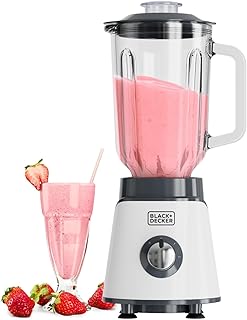

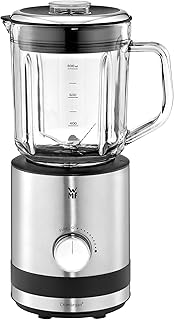
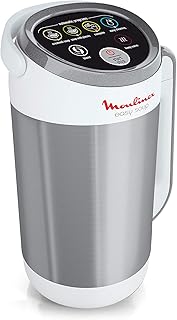
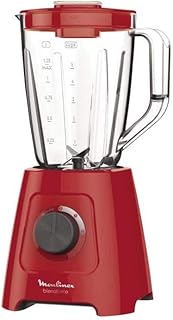


Choosing the best blender is less about finding the machine with the biggest motor or the longest feature list and more about matching the appliance to the way you actually prepare food and drinks. A blender used mainly for breakfast smoothies has different requirements from one expected to process frozen fruit, crush ice, make soups, prepare nut-based mixtures or handle thick dips and sauces.
Australian buyers should also consider practical factors such as bench space, jug capacity, cleaning convenience, noise, warranty terms, replacement parts, power requirements and the availability of accessories. A premium blender can be excellent value for someone who uses it several times a week, while a compact personal blender may be the more sensible choice for someone who primarily makes single-serve drinks.
Well-known blender brands such as Vitamix, Breville, Ninja, NutriBullet, KitchenAid and Sunbeam offer products aimed at different types of users. Rather than choosing a brand purely because it is familiar, compare the individual model's motor system, blade design, controls, container, included accessories and intended applications.
Full-size countertop blenders are the most versatile option for households that want one appliance capable of handling several tasks. Depending on the model, they can be suitable for smoothies, sauces, soups, purees, frozen drinks and other blended recipes. Their larger containers are particularly useful when preparing several servings at once.
The trade-off is size. Before buying, measure the available bench and cupboard space, paying attention to the height of the blender with its jug and lid fitted. Some tall models can be inconvenient underneath overhead kitchen cabinets.
Personal blenders are designed around smaller portions and convenience. They are particularly useful for individual smoothies, protein drinks and similar beverages. Many models use a drinking cup or travel container that reduces the number of dishes required after blending.
A personal blender is not automatically a miniature replacement for a full-size blender. Container shape, blade configuration and motor capability can make thick mixtures or large quantities more difficult to process. If you regularly cook for a family, a larger jug may be more practical.
High-performance blenders are aimed at demanding users who want more consistent processing of difficult ingredients. They typically emphasise powerful drive systems, robust blade assemblies, durable containers and sophisticated controls.
Models from premium manufacturers such as Vitamix can appeal to users who blend frequently and want an appliance designed for intensive kitchen use. The higher purchase cost should be considered alongside expected usage rather than treated as an automatic indicator of better value for every household.
Immersion or stick blenders are a separate category worth considering when space and versatility matter more than large-batch blending. They can be convenient for soups, sauces and purees because the blending head can be placed directly into a suitable container.
However, an immersion blender does not provide the same enclosed jug experience as a conventional countertop blender. It is therefore better viewed as an alternative for particular cooking tasks rather than a direct substitute in every situation.
Motor specifications can be useful when comparing blenders, but the advertised power figure should never be considered in isolation. Real-world performance depends on the interaction between the motor, blade assembly, container geometry, electronics, speed control and the ingredients being processed.
A blender processing a thin smoothie behaves differently from one attempting to move a very thick mixture. Frozen ingredients can also place considerably different demands on the drive system than soft fruit or liquids. A well-designed blender can therefore outperform expectations based solely on a headline motor figure.
For everyday smoothies containing liquids, soft fruit and leafy ingredients, a capable household blender may be sufficient. If frozen fruit and ice are common ingredients, look for a model specifically designed for these tasks and examine its manufacturer's recommended uses.
Thick mixtures such as nut butters, dense dips and frozen desserts can require considerably more mechanical effort than ordinary drinks. Container shape and ingredient circulation become especially important because the blades need enough material movement to maintain an effective blending action.
Buyers who regularly make very thick recipes should pay attention to whether the blender is intended for that type of workload rather than relying solely on wattage or marketing terminology.
The blade assembly is one of the most important components of a blender, but the phrase “better blades” is too simplistic. Blade shape, angle, number, positioning, material and relationship to the jug all influence how ingredients circulate.
Blending depends on creating movement through the container. If ingredients remain stationary around the blades, increasing motor power does not necessarily solve the problem. This is why container geometry and blending programs can be just as relevant as the blade itself.
Stainless steel is widely used for blender blades because it provides the strength and corrosion resistance required for repeated food preparation. Buyers should still check the manufacturer's cleaning instructions and avoid assuming that every blade assembly is removable or dishwasher-safe.
A narrow container can encourage ingredients to circulate differently from a wide container. Some designs are optimised for creating a strong vortex, while others rely on programmed speed changes or manual intervention.
When comparing two blenders, consider the complete blending system rather than judging blade appearance from product photographs.
Plastic jugs are popular because they can be relatively lightweight and practical for everyday use. The specific material varies between products, so buyers should check the manufacturer's specifications rather than assuming that every transparent plastic container has identical durability or heat resistance.
Glass can appeal to buyers who prefer a substantial container and want a material that does not retain odours as readily as some plastics. The disadvantages include increased weight and the possibility of breakage if the container is dropped or handled incorrectly.
Never assume that a blender is suitable for hot liquids merely because it has a sturdy-looking jug. Some containers and lids are specifically designed for hot blending, while others are intended only for cold or room-temperature ingredients. Always follow the manufacturer's instructions when blending hot food.
Capacity should be based on serving size and recipe habits rather than the largest number available. A large jug can be useful for family meals, but a smaller container can be more efficient for single portions.
Also check the manufacturer's stated usable capacity. The maximum physical volume of a container is not necessarily the same as the appropriate working volume for every recipe.
Blender controls range from a simple variable-speed dial to touchscreen interfaces and automatic programs. The best approach depends on how much control you want during preparation.
Manual controls allow users to gradually increase or decrease blending speed. This can be valuable for cooks who prefer to control texture themselves rather than relying on preset cycles.
Automatic programs can simplify repetitive tasks such as smoothies or frozen drinks. They may adjust speed and blending duration automatically, reducing the need to monitor the appliance.
Presets should be treated as a convenience feature rather than proof of superior performance. A blender with fewer programs can still be an excellent choice if its core blending performance suits your recipes.
A pulse setting is useful for short bursts of high-speed processing and can provide additional control over texture. It can be particularly helpful when ingredients need to be broken down without continuously blending them into a completely smooth mixture.
Blenders are mechanical appliances, and high-speed blending can be noisy. Noise becomes more important when the blender is used early in the morning, in an open-plan living area or around sleeping family members.
Do not assume that a higher-priced blender is automatically silent. Instead, consider manufacturer-provided noise information where available and look for design features intended to reduce vibration or sound. The surface on which the blender sits can also affect perceived vibration.
Cleaning convenience can have a major effect on how often a blender is actually used. A machine that performs well but is difficult to clean may be less practical than a slightly simpler model that can be rinsed and maintained quickly.
Check exactly which components are dishwasher-safe. This can include the jug, lid, cup or selected accessories, but it should never be assumed that the motor base or every blade assembly can go into a dishwasher.
Food residue can accumulate around blade assemblies and seals. Follow the manufacturer's cleaning instructions and avoid reaching into a container around sharp blades. If a blade assembly is not designed to be removed by the consumer, clean it according to the specified procedure rather than attempting to dismantle it.
Rinsing the container soon after use can make cleaning easier, especially after ingredients such as nut butters, spices or thick sauces. Leaving food residue to dry can make subsequent cleaning considerably more difficult.
If smoothies are the primary reason for buying a blender, concentrate on the ingredients you actually use. A basic fruit smoothie is relatively easy to process, while frozen fruit, ice, leafy greens, seeds and thick ingredients can require a more capable blending system.
Ice and frozen ingredients are among the more demanding common blender tasks. Buyers should look for explicit manufacturer guidance regarding ice crushing and frozen-food preparation rather than assuming that every blender can safely perform these tasks.
Technique also matters. Adding an appropriate amount of liquid can improve ingredient movement, while overfilling a container can reduce circulation. Follow the recommended loading sequence for the specific model.
Soup preparation introduces an important safety consideration: hot liquids can create pressure inside a sealed container. Not every blender is designed for hot ingredients.
If hot soup is a priority, choose a model whose manufacturer explicitly states that the container and lid are suitable for hot blending and follow the specified procedure. Otherwise, allow food to cool to the appropriate temperature before processing or use a cooking method that does not require hot blending in the appliance.
Nut butters, hummus, thick dips and similar foods require more than simple liquid blending. The mixture may move slowly and can accumulate away from the blade assembly.
If these recipes are important to you, investigate whether the model is designed for dense mixtures and whether the manufacturer recommends a particular technique or accessory. Some high-performance systems are designed with this type of workload in mind, while conventional personal blenders may be better suited to liquids and softer ingredients.
Durability is influenced by more than the outer housing. Consider the construction of the jug, lid, blade assembly, drive coupling, seals, control system and motor base.
Heavy use can place additional stress on components, particularly when processing dense mixtures. Buyers who blend frequently should pay close attention to the manufacturer's intended usage, maintenance instructions and warranty conditions.
When shopping in Australia, confirm that the specific model is intended for the Australian market and is supplied with the appropriate electrical configuration. Product listings can sometimes contain multiple regional variants, so check the exact model number and Australian specifications before purchasing.
It is also worth checking the warranty terms applicable to the Australian version of the product. Warranty coverage, service arrangements and included accessories can vary by model and market.
Vitamix is strongly associated with high-performance countertop blending. Its range is particularly relevant to buyers who expect frequent use and want a machine designed around demanding blending tasks. Compare individual models carefully because features, controls, container designs and accessories differ across the range.
Breville offers a broad selection of kitchen appliances and has several blender options aimed at Australian households. When comparing Breville models, consider the exact blending programs, container design, control system, included accessories and intended workload rather than choosing solely by brand.
Ninja is known for multifunctional kitchen appliances and offers blender systems in several configurations. Some products place greater emphasis on personal cups, automated programs or multifunctional preparation. Buyers should compare the exact package because included containers and accessories can differ significantly between models.
NutriBullet is particularly well known for compact personal blending systems. Its products can suit people who prioritise quick individual smoothies and convenient portioning. For larger family batches or demanding food preparation, compare container capacity and intended applications with full-size alternatives.
KitchenAid offers kitchen appliances across several categories, including countertop blending products. Its blender range is worth comparing for buyers who value familiar kitchen-appliance styling and want to evaluate different combinations of controls, capacity and performance.
Sunbeam has a long-standing presence in Australian kitchen appliances. Its blender offerings can be relevant to buyers looking for mainstream household options. As with any manufacturer, compare the specific model's specifications, features and warranty rather than relying only on brand familiarity.
A stable base helps reduce movement during high-speed operation. This is particularly relevant on smooth kitchen benches.
Cord management can make a difference when the blender is stored in a cupboard after each use. A convenient storage arrangement can keep the appliance area tidier.
Clearly marked volume measurements can be useful when following recipes directly in the jug.
Check whether important components such as seals, jugs, lids or cups are available separately. The availability of replacement components can affect the practical lifespan of an appliance.
When two products appear similar, use a consistent comparison process instead of concentrating on headline specifications.
The cheapest blender is not necessarily the best value, and the most expensive blender is not automatically the best choice. Value depends on expected usage, performance requirements, durability, convenience and the features that genuinely matter to the buyer.
A person making one simple smoothie occasionally may gain little from paying for a high-performance system. Conversely, someone preparing dense mixtures several times a week may find that a more capable blender better matches their requirements.
Consider the total ownership proposition rather than the initial purchase price alone. A blender that meets your needs, is easy to clean and has appropriate replacement components can be more useful over several years than an inexpensive appliance that does not suit your workload.
Good blending technique can improve results regardless of brand. Follow the manufacturer's recommended loading sequence and avoid filling the container beyond its permitted level.
For many recipes, starting with liquid ingredients can help establish movement around the blades before adding heavier ingredients. Soft ingredients can then be followed by harder or frozen components where appropriate. However, the ideal order varies by recipe and appliance, so the manufacturer's instructions should take priority.
When a mixture stops circulating, avoid repeatedly running the blender without addressing the cause. Pause the appliance safely and follow the recommended method for redistributing ingredients. Some models are supplied with a purpose-designed tamper or other accessory for this reason.
A blender should generally be cleaned after each food-preparation session. Immediate rinsing is particularly useful when processing sticky or thick ingredients.
For regular maintenance, inspect the container, lid, seals and blade area for residue. Follow the manufacturer's cleaning instructions, particularly if the model has electronic controls, removable blade components or specialised accessories.
Replacement may be appropriate when a blender no longer performs reliably, develops damage, has deteriorating seals, becomes difficult to operate or no longer meets the user's requirements.
Unusual smells, damaged electrical components, cracked containers or abnormal mechanical behaviour should not be ignored. Stop using a damaged appliance and consult the manufacturer's safety and service guidance.
Prioritise convenient operation, adequate capacity, reliable blending of your usual ingredients and easy cleaning. A personal blender can be ideal for one person, while a countertop model makes more sense for several servings.
Capacity, durability and ease of cleaning become especially important. A larger jug can reduce the number of batches required, while straightforward controls make repeated use more convenient.
A compact personal blender may be preferable when portability and single-serve preparation are priorities. Check that the cup size and blending performance match the ingredients you regularly use.
Users who make sauces, purees, soups and dips should consider container design, speed control, heat suitability and performance with thick mixtures rather than focusing solely on smoothie features.
Measure the available storage area before buying. Compact personal models can save space, but a full-size blender may still be worthwhile if its broader capabilities eliminate the need for additional appliances.
Frequent users should place greater emphasis on construction, intended workload, cleaning, warranty terms and replacement components. A premium system may make more sense when its capabilities are actually used regularly.
Reviews can be useful, but buyers should distinguish between subjective impressions and specifications that can be independently verified. A reviewer may prefer one control layout or noise profile while another buyer may value completely different characteristics.
Look for recurring comments about practical issues such as ease of cleaning, container handling, control usability and suitability for particular ingredients. At the same time, verify important technical claims against the manufacturer's documentation for the exact model.
Customer ratings can provide useful signals about ownership experiences, but a rating alone does not establish that a blender is the right choice for your particular recipes.
There is no single best blender for every Australian household. The right choice depends on budget, recipe type, serving size, frequency of use, available space and the level of performance required. Compare the exact models against these criteria rather than selecting purely by brand or price.
An expensive blender can be worthwhile when you regularly use advanced capabilities, process difficult ingredients or value a more robust appliance. If you only prepare occasional basic smoothies, a simpler model may provide better value.
Neither category is universally better. Personal blenders are convenient for individual portions and compact storage, whereas full-size blenders generally offer greater capacity and broader cooking flexibility.
Look for a model whose manufacturer specifically supports frozen ingredients and compare its container design, blending system and recommended operating procedure. Frozen fruit can place greater demands on the appliance than soft fresh fruit.
No. Ice-crushing capability varies between models. Check the manufacturer's specifications and instructions before using large quantities of ice.
Only if the blender and container are specifically designed for hot ingredients and the manufacturer provides instructions for doing so safely. Heat can create pressure inside an enclosed container, so never assume that a conventional blender is suitable for hot liquids.
There is no universal power figure that guarantees the best performance. Consider the complete motor, blade, container and control system and match those characteristics to your intended recipes.
Glass and plastic each have advantages. Glass can feel substantial and may resist odour retention, while plastic can offer a lighter container. Compare the exact material, durability, weight and heat suitability of the model you are considering.
Service life depends on construction, frequency of use, maintenance, workload and how the appliance is operated. Rather than relying on a universal lifespan claim, examine the manufacturer's warranty, maintenance requirements and availability of replacement components.
Confirm the exact model number, Australian electrical specification, container size, included accessories, manufacturer's recommended uses, warranty terms and retailer-specific return conditions. Do not rely solely on photographs or a shortened product title.
Ratings are useful as one source of evidence, but they should not be the only criterion. Combine customer feedback with verified specifications and your own requirements, especially when comparing performance, capacity, safety and long-term usability.
The strongest blender purchase is one that fits your actual kitchen routine. Start with the foods and drinks you prepare most often, then work backwards to the required capacity, blending performance, controls, container design and cleaning requirements.
For Australian shoppers, also verify the exact local model, electrical specifications, warranty conditions and included accessories before completing a purchase. Compare current specifications and prices from reputable retailers because product bundles, promotions and availability can change.
Whether you are considering a compact NutriBullet, a multifunctional Ninja, a Breville countertop model, a KitchenAid appliance, a Sunbeam option or a high-performance Vitamix system, the same principle applies: choose the model that best matches your workload rather than simply choosing the model with the longest feature list.
This guide is intended to support independent product research. Always check the latest manufacturer information and retailer details for the exact blender model before making a purchasing decision.