

♥ Wishlist
Compare 43 verified Home Bar Furniture products in Australia. Reviews, ratings, pros, cons and buying advice updated for October 2026.


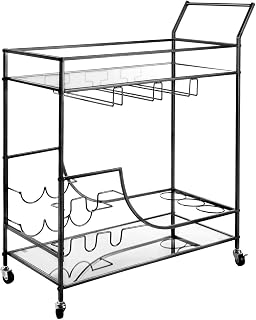


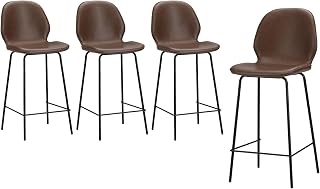


A home bar can be anything from a compact drinks station in an apartment to a dedicated entertaining area with stools, cabinetry, shelving and a full-height counter. The right furniture depends less on appearance alone and more on how the space will be used, how much room is available, and which materials can cope with the Australian climate and household routine.
Before choosing a home bar cabinet, bar table, bar cart, stools or a complete furniture set, consider the available floor area, counter height, storage requirements, seating capacity, cleaning routine and overall interior style. A product that looks excellent in photographs may be impractical if its doors need too much clearance, its shelves are too shallow, or its seating height does not match the counter.
A bar cabinet is one of the most useful choices when storage and visual presentation are equally important. Depending on the design, a cabinet may provide dedicated shelves for bottles and glassware, drawers for accessories, cupboards for less frequently used items, or a fold-out serving surface.
When comparing cabinets, inspect the internal dimensions rather than relying only on the external width. Bottle height, shelf spacing and door clearance can determine whether the cabinet is genuinely practical. Tall bottles, cocktail shakers, decanters and larger glassware can require considerably more vertical clearance than ordinary household storage.
A bar table creates a social focal point and can work particularly well where a full built-in bar is unnecessary. Freestanding tables are also easier to reposition when a room needs to serve multiple purposes.
The most important measurement is the relationship between table height and stool height. A high counter paired with low seating can make eating and drinking uncomfortable, while excessively tall stools can leave too little legroom underneath the surface.
Bar stools should be selected according to the actual seat-to-counter relationship rather than appearance. Measure from the floor to the underside of the counter and allow enough space for knees and comfortable movement.
Backless stools can create a cleaner appearance and may slide completely beneath a counter, making them useful in compact rooms. Stools with backs generally provide better support for longer periods of sitting. Footrests are another important consideration because they reduce pressure on the legs when sitting at elevated heights.
A bar cart is a flexible option for renters, smaller homes and rooms where a permanent cabinet would occupy too much space. Its main advantage is mobility, but that also makes wheel quality and stability particularly important.
Look for a stable frame, secure shelves and castors that roll smoothly over the flooring used in the room. A cart should not be treated as a substitute for a heavy storage cabinet when it will routinely carry a large collection of bottles and glassware.
Furniture sets can simplify coordination because the table, stools or storage pieces are designed to share a visual style. However, buying individual pieces can provide better control over dimensions and storage capacity.
Before purchasing a set, compare the total footprint with the dimensions of individual alternatives. A coordinated set is not automatically the best choice if the stools are uncomfortable or the storage component does not suit your collection.
Measuring first is one of the easiest ways to avoid an expensive home-bar furniture mistake. Record the width, depth and height of the available area, then consider the space required to walk around the furniture and open doors or drawers.
One of the most common purchasing errors is confusing counter-height and bar-height seating. Product descriptions can use different terminology, so the actual dimensions should take priority over the marketing name.
As a practical starting point, measure the distance from the floor to the underside of the counter and compare it with the manufacturer's stated seat height. The goal is sufficient clearance for comfortable leg movement while still allowing the user to sit close enough to the surface.
Also consider the thickness of the counter. Measuring only to the top surface can give an inaccurate impression of usable legroom.
Solid timber can provide a warm, traditional appearance and may suit coastal, farmhouse, classic or contemporary interiors depending on the finish. Different timber species vary considerably in hardness, grain, colour and resistance to wear.
Check the care instructions before buying. Finishes can be sensitive to standing moisture, heat, alcohol spills and unsuitable cleaning products. A timber bar surface should not be assumed to be waterproof simply because it has a protective coating.
Veneer can provide the visual character of timber while allowing manufacturers to create consistent panels and furniture designs. Engineered boards can also make it possible to produce large, stable furniture components efficiently.
Pay attention to edge finishing and construction quality, especially around areas likely to encounter moisture. The material specification should be read together with the care instructions rather than judged solely by the appearance of the surface.
Metal frames are common in industrial and contemporary bar furniture. Steel can create a sturdy structure while slim metal profiles can reduce the visual bulk of a piece.
For Australian homes, consider where the furniture will be used. Indoor furniture is generally subject to different environmental conditions from furniture placed on a balcony, enclosed patio or outdoor entertaining area. Do not assume that a metal frame is suitable for outdoor exposure without an explicit outdoor-use specification.
Glass shelves and tabletops can make compact furniture look visually lighter, but they require more attention to cleaning and impact protection. Check the stated glass type and load guidance where available, particularly if the shelf will hold bottles.
Fabric, faux leather and genuine leather-style finishes can all create different appearances and maintenance requirements. Upholstery should be assessed according to how frequently the stools will be used and how easy spills are likely to be cleaned.
For households where drinks and food are regularly served at the bar, removable or easily cleaned surfaces can be more practical than delicate upholstery.
Storage capacity should be evaluated by function rather than the number of shelves alone. A good home bar storage system separates frequently used items from occasional-use equipment.
A compact home does not necessarily require a full-size bar. Narrow cabinets, two-person bar tables, compact carts and stools that can be completely pushed beneath a counter can provide many of the same functions with a smaller footprint.
For a small room, prioritise furniture that serves more than one purpose. A slim console-style cabinet can double as a serving station, while a compact bar table may function as both a drinks area and occasional dining surface.
Visual weight also matters. Furniture with open shelving, lighter finishes or slim legs can make a room feel less crowded than a deep, solid cabinet of similar dimensions.
Larger rooms provide more flexibility, but excessive furniture can still make an entertaining area difficult to navigate. Instead of filling the available space, establish a clear bar zone and make sure the furniture supports the expected number of users.
A larger setup might combine a central bar counter with multiple stools, a separate storage cabinet and a mobile serving cart. Keeping storage and serving functions separate can make each piece easier to use and can provide greater flexibility when entertaining.
This distinction is particularly important in Australia. Furniture intended for an indoor living room should not automatically be moved onto a balcony, patio or exposed entertaining area.
Outdoor furniture needs materials, finishes and construction appropriate for exposure to sunlight, moisture and changing temperatures. Even covered outdoor spaces can experience humidity, condensation and strong indirect sunlight.
Always check the manufacturer's stated use environment. If a product is described only for indoor use, treat that limitation seriously rather than assuming that a sheltered position will make it suitable outdoors.
Two pieces of furniture can look almost identical in photographs while differing substantially in construction. When specifications are available, inspect the structural details rather than concentrating only on colour and style.
Home bar furniture can carry concentrated loads because bottles and glassware are relatively heavy. Stability therefore deserves more attention than it receives in many decorative furniture purchases.
For tall cabinets, narrow shelving units and furniture placed where children can access it, check the manufacturer's safety instructions and anchoring recommendations. A cabinet that is stable when empty can behave differently when heavily loaded or when a door or drawer is opened.
Do not exceed stated shelf or furniture load limits. Distribute heavy bottles sensibly and avoid placing the heaviest items on elevated shelves unless the manufacturer specifically permits the load.
Look for clean lines, restrained hardware, simple colours and visually uncluttered storage. A compact cabinet with concealed storage can work particularly well in a modern living area.
Metal frames combined with timber-look or timber surfaces are common choices for industrial interiors. Focus on structural proportions and finish consistency so the piece complements existing furniture rather than looking like an isolated accent.
Light timber tones, simple silhouettes and functional storage can create a Scandinavian-inspired bar area. Avoid unnecessary decorative detailing if the rest of the room has a restrained aesthetic.
Classic timber finishes, framed doors and more substantial furniture profiles can suit traditional interiors. Here, matching the existing timber tone and hardware finish may be more important than selecting a standalone statement piece.
For a more sophisticated look, consider combinations of dark finishes, textured surfaces, metal detailing and carefully concealed storage. The quality of the finish becomes especially noticeable when the furniture occupies a prominent position in an entertaining space.
Brand recognition can be a useful starting point, but it should not replace product-level comparison. Australian shoppers may encounter home-bar or adjacent furniture options from brands and retailers such as IKEA, Fantastic Furniture, Temple & Webster, Kmart, Freedom, Mocka, vidaXL and West Elm. Product ranges, specifications and availability can change, so check the individual product information before making a decision.
Amazon Australia can also provide a broad selection of bar stools, carts, cabinets and compact furniture from different manufacturers. Marketplace listings require particularly careful comparison because construction materials, dimensions, assembly requirements and after-sales arrangements can vary significantly between products.
Customer reviews can provide useful information, but the overall star rating should not be the only consideration. Read reviews for recurring patterns involving assembly, dimensions, stability, finish quality, packaging and long-term usability.
Many freestanding bar cabinets, carts and stools require assembly. Before buying, establish whether the product arrives fully assembled, partially assembled or flat-packed.
Flat-packed furniture is not necessarily inferior, but assembly quality can affect the final stability of the product. Check the required tools, estimated assembly complexity and whether two people are recommended. Make sure the assembly instructions explain how the structure should be aligned and tightened.
For wall-mounted or tall furniture, also check whether the required wall-fixing hardware is included and whether it is appropriate for the wall construction in your home. Hardware suitable for one wall type may not be appropriate for another.
Photographs can hide scale, depth, shelf spacing and construction details. Always compare the listed measurements with the actual room dimensions.
Never rely solely on the terms “bar stool” or “counter stool”. Confirm the seat height and compare it with the counter or table height.
A cabinet can technically fit into a room while remaining difficult to use. Check how doors and drawers move when nearby furniture is occupied.
A decorative cabinet with several small compartments may store less than a simpler unit with fewer but larger shelves. Make a rough inventory of bottles, glassware and accessories before choosing the design.
Heavy furniture and stools can damage timber, laminate, vinyl and other flooring when repeatedly moved. Check whether feet or castors are designed for the intended floor surface and consider suitable protective pads where appropriate.
Indoor finishes may deteriorate quickly when exposed to outdoor conditions. Confirm the stated environment before placing any furniture on a balcony, deck or patio.
The right amount of storage depends on your entertaining habits rather than the size of the furniture. Someone who occasionally serves a few drinks may need only a small cabinet or cart, while frequent entertainers may benefit from separate bottle, glassware and accessory storage.
Start by listing what you already own and what you realistically expect to store. This prevents buying a large cabinet simply because it looks impressive while leaving useful storage space poorly organised.
Maintenance requirements vary by material and finish, so the manufacturer's care instructions should take priority. In general, spills should be dealt with promptly, particularly on timber, veneer, untreated metal and some upholstered surfaces.
A complete bar does not have to be purchased as a single package. A more economical approach can be to establish priorities and buy the most important furniture first.
For example, a compact cabinet can provide storage while an existing dining or kitchen counter supplies the serving surface. Alternatively, a bar cart can be added later when additional mobility is useful.
When comparing budget furniture, focus on dimensions, structural design and material specification rather than decorative features. A simple, appropriately sized unit can be more useful than a larger product with elaborate styling but limited storage.
Prioritise correct dimensions, basic stability, sensible storage and straightforward maintenance. Avoid paying extra for features that will not be used.
Look for stronger construction, better hardware, more flexible storage and improved finishes. This is also a good stage to compare adjustable shelving and more comfortable seating.
Premium furniture should justify its additional cost through construction quality, materials, finish, ergonomics, storage design or longevity rather than decoration alone.
Before making a final decision, compare shortlisted products using the same criteria. This makes it easier to distinguish genuine value from attractive but less practical features.
The best home bar furniture is the combination that fits your room, storage needs, entertaining habits and budget. There is no universally superior cabinet, stool, cart or bar table because the ideal choice changes substantially between an apartment, family living area, dedicated entertaining room and outdoor space.
For small spaces, prioritise compact dimensions and multifunctionality. For frequent entertaining, prioritise storage, stability and comfortable seating. For style-led interiors, compare finishes and proportions carefully. For households with children, pay particular attention to secure storage and furniture stability.
Rather than selecting a product simply because it appears near the top of a list, compare its specifications with your requirements. Independent buying guides, manufacturer information and verified customer reviews are most useful when considered together.
Home bar furniture is a relatively long-term household purchase, so the most important decision is not necessarily finding the cheapest option. The better approach is to identify the furniture configuration that will remain useful as your entertaining habits change.
Start with measurements, establish the required storage capacity, decide whether seating is necessary, and determine the appropriate material for the room. Then compare construction, dimensions, safety features, assembly requirements, care instructions and customer feedback.
For Australian buyers, also confirm the current product specifications, retailer terms, delivery conditions, stock status and total purchase cost before ordering. Product ranges and pricing can change during 2026, so information displayed at the time of research should be checked again before purchase.
A narrow bar cabinet, compact bar cart or small bar table is usually easier to accommodate than a full-size bar unit. Choose according to the available floor area and the storage you actually require.
The correct stool height depends on the height of the counter or table. Measure the surface and, more importantly, the underside clearance before choosing the stool. Product descriptions should be checked for the actual seat-height measurement.
Neither is universally better. A bar cart offers mobility and can be useful in smaller or flexible spaces, while a cabinet generally provides more enclosed storage and a more permanent setup.
There is no single best material. Solid timber can offer a traditional appearance, engineered boards and veneer can provide different combinations of appearance and practicality, while metal can suit contemporary or industrial designs. The quality of construction and suitability for the intended environment matter as much as the material category.
Only when the manufacturer specifies that it is suitable for outdoor use. Indoor furniture may not have finishes or construction designed to withstand outdoor moisture, sunlight and temperature changes.
Base the number on the usable counter length and the amount of personal space required between seats. Avoid choosing a number solely from the visual appearance of a product photograph.
A set can make it easier to coordinate a room, but individual pieces may provide better control over dimensions, comfort and storage. Compare the complete specifications before deciding.
Focus on internal dimensions, shelf adjustability, bottle capacity, glassware storage, construction materials, door clearance, stability and the furniture's stated load limits. These factors generally have more practical value than decorative detailing alone.
Separate everyday items from occasional-use equipment, keep frequently used glassware accessible, avoid overcrowding shelves and use the cabinet's internal compartments according to the size of the items being stored. A well-proportioned cabinet can also reduce visual clutter.
Stools with backs generally provide more support and can be preferable when people will sit for extended periods. Backless stools are often more visually compact and can slide beneath a counter more easily. The better choice depends on comfort, available space and how the bar will be used.
Check the exact dimensions, material specifications, product weight, assembly requirements, load limits, care instructions and current customer feedback. Also verify delivery conditions, return terms and the current total cost with the retailer before placing an order.
Product rankings and buying recommendations should be evaluated against the specifications and requirements that matter to you. A product's position in a list does not guarantee that it will be the right choice for every Australian household. Always review the current manufacturer's specifications and retailer information, and consider verified customer feedback before purchasing.