

♥ Wishlist
Compare 58 verified Garden Outdoor Products for Australian Homes products in Australia. Reviews, ratings, pros, cons and buying advice updated for October 2026.









Choosing garden and outdoor equipment in Australia is less about finding a single universally “best” product and more about matching the equipment to your garden size, climate, storage space, frequency of use and maintenance expectations. A compact courtyard in an Australian city has very different requirements from a large suburban backyard, acreage property or coastal garden.
This expanded buying guide is designed to help shoppers compare garden tools, lawn-care equipment, outdoor cleaning products, irrigation equipment, outdoor living essentials and other practical products before making a purchase. Rather than relying on a product name alone, compare the specifications, materials, intended use, operating method, warranty information, replacement parts and verified customer feedback.
The following categories cover many of the products Australian households commonly consider when improving, maintaining or using an outdoor area. The right choice within each category depends on the size and characteristics of your property.
A lawn mower should be selected according to lawn area, grass type, terrain, storage space and how frequently the lawn is maintained. A small battery mower can be convenient for a modest suburban lawn, while larger properties may justify a wider cutting deck, petrol-powered mower or ride-on equipment.
When comparing models, look beyond advertised cutting width. Check the available cutting-height range, catcher capacity, adjustment mechanism, deck construction, handle design, weight, battery compatibility and ease of cleaning underneath the deck.
Brands such as Victa, Ryobi, Makita, Bosch and Masport offer products across different lawn-care segments. Always compare the specifications of the individual model rather than assuming that every product from a particular brand has the same capabilities.
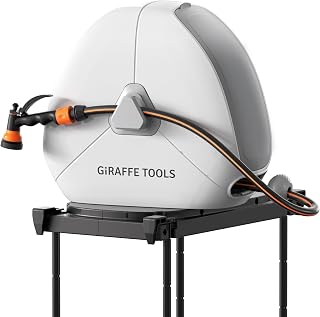
Reliable watering equipment can make routine garden maintenance considerably easier. The appropriate hose length, diameter, fittings and construction depend on the distance between the water source and the areas requiring irrigation.
For a larger property, consider whether the hose can be handled easily when fully extended and whether suitable storage is available. A hose that is technically long enough may become inconvenient if it is heavy, difficult to coil or prone to kinking.
For automated watering, compare timers, irrigation controllers, sprinklers, drip systems and compatible connectors. Check thread standards and fitting compatibility before purchasing components from different manufacturers.
Gardena is one brand worth considering when comparing hoses and watering equipment, while Holman is another familiar name in Australian irrigation and garden-water products.
Pressure washers can be useful for cleaning suitable outdoor surfaces such as some paving, paths, outdoor furniture and compatible hard surfaces. However, higher pressure is not automatically better. Excessive pressure can damage delicate coatings, timber, mortar joints, paintwork and other materials.
Compare pressure and water-flow specifications together. A machine with strong pressure but inadequate flow may not provide the cleaning experience expected for larger areas.
Kärcher is a well-known brand in outdoor cleaning equipment, but shoppers should still compare the specifications and accessory ecosystem of each individual model.
Hedge trimmers are useful when regular shaping of shrubs and hedges is part of the garden routine. The ideal cutting system depends on branch thickness, hedge height, access and how long the equipment will be used during each session.
For occasional trimming of small hedges, a lightweight battery model may be sufficient. Larger hedges can require greater reach, longer blades or a more powerful system. For thicker individual branches, dedicated loppers or pruning saws are generally more appropriate than forcing a hedge trimmer beyond its intended application.
Fiskars, Bosch, Ryobi and Makita are among the brands that shoppers may encounter when comparing garden cutting tools.
Leaf blowers are useful for clearing paths, patios, driveways and lawns, particularly during seasonal leaf fall. The best specification depends on the material being moved rather than simply the maximum air-speed figure.
Air volume can be important when moving larger quantities of leaves, while air speed can influence how effectively the machine shifts stubborn or wet debris. Ergonomics also matter because blower use can involve repetitive arm and shoulder movement.
String trimmers are particularly useful for areas that a mower cannot easily reach, including fence lines, garden edges, around trees and irregular sections of lawn.
When comparing a trimmer, examine cutting width, line diameter, spool replacement method, shaft design, handle configuration, weight and power source. Battery-powered equipment can be attractive for users who already own compatible batteries from the same tool platform.
For heavy vegetation, thick weeds or larger areas, a brush cutter may be more appropriate than a lightweight line trimmer. Do not judge suitability solely by motor output; the cutting attachment and intended vegetation are equally important.
A good set of hand tools can cover routine planting, weeding, pruning and soil preparation without requiring a large collection of specialised equipment.
Look for comfortable grips, corrosion-resistant materials, strong joints and blades that can be sharpened or replaced where appropriate. Stainless steel can offer useful corrosion resistance, while hardened steel may be selected for particular cutting applications.
Fiskars and Gardena are useful brands to include when comparing hand-tool ranges, although tool design and ergonomics should be evaluated at the individual-product level.
Outdoor furniture has different performance requirements from indoor furniture because it may be exposed to ultraviolet radiation, rain, humidity, temperature changes, dust and wind.
Before buying outdoor seating or tables, consider the material, drainage, UV resistance, frame construction, cushion storage and cleaning requirements. Aluminium can provide a lightweight frame option, while steel may provide a different balance of weight and strength. Timber can create a natural appearance but may require more deliberate maintenance depending on the species and finish.
For Australian conditions, consider where the furniture will actually be positioned. A sheltered veranda and an uncovered coastal patio expose products to very different conditions.
Outdoor cooking equipment should be compared according to cooking style, available space, fuel preference and cleaning requirements. Gas, charcoal and electric systems each have different operating characteristics.
When comparing a barbecue, examine cooking-surface dimensions, burner configuration, heat-control method, ignition system, hood design, grease-management system, side shelves and the availability of replacement components.
Weber is a prominent brand in outdoor cooking, while other manufacturers offer alternatives across different designs and budgets. A larger cooking surface is not necessarily better if it consumes too much patio space or is rarely used at full capacity.
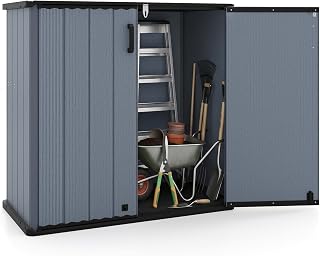
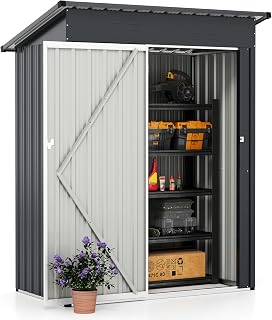
Outdoor storage can protect tools and equipment while reducing clutter. Compare storage boxes, sheds, cabinets and shelving according to the items they need to accommodate rather than choosing capacity based only on external dimensions.
Check internal dimensions, door clearance, ventilation, water management, locking provisions and resistance to the conditions of the installation area. Tools with long handles can require considerably more storage height than their overall volume suggests.
Shade products, outdoor lighting, garden carts, composting equipment, raised planters and other accessories can also improve the practicality of an outdoor area. These products should be selected around the specific job they need to perform rather than as generic additions to a garden.
Property size is one of the quickest ways to narrow down suitable equipment. A compact garden rarely benefits from the weight, maintenance and storage requirements of commercial-scale machinery. Conversely, using a small hand tool for a large property can make routine work unnecessarily time-consuming.
Australia encompasses very different environmental conditions. Products used in a humid tropical region may experience different challenges from those installed in a dry inland environment, while coastal properties can expose outdoor equipment to salt-laden air.
Consider UV exposure, rainfall, humidity, temperature extremes, dust and proximity to the coast. Outdoor products should be assessed for the environment in which they will actually be stored and used.
Battery-powered garden tools can become considerably more convenient when several compatible tools use the same battery platform. Before purchasing a “skin-only” tool, verify that you already own the correct battery and charger or understand the additional cost of obtaining them.
Do not compare battery products using voltage alone. Runtime depends on the battery capacity, tool design, workload and operating conditions. Compare battery capacity, charging requirements, included accessories and manufacturer compatibility information.
Material selection affects durability, weight, corrosion resistance, rigidity and maintenance. Look at the material of the components that experience the greatest loads rather than relying on a headline statement such as “heavy duty”.
A larger wattage, voltage or engine specification does not automatically mean a product is better for every user. Performance is influenced by the complete mechanical system, cutting attachment, airflow, gearing, battery capacity and workload.
A wider cutting width can reduce the number of passes required when mowing or trimming, but it can also make equipment less manoeuvrable in narrow spaces. Measure gates, paths and storage areas before choosing oversized equipment.
Published runtime figures should be interpreted as an indication rather than a guarantee for every use case. Cutting long or wet grass, working at maximum output and operating in demanding conditions can consume energy more quickly.
Terms describing water resistance should not be treated as permission to leave equipment outdoors permanently. Check the manufacturer's instructions for storage, cleaning and exposure limitations.
Choosing the most powerful product available can result in unnecessary weight, cost, noise and storage requirements. Select equipment around the actual workload you expect rather than an occasional extreme scenario.
Garden equipment contains consumable or serviceable components such as blades, trimmer line, filters, spark plugs, batteries, connectors, seals and collection bags. Before buying, check whether the important replacement parts can be identified and sourced through appropriate channels.
Measure your shed, garage or storage cabinet before purchasing long-handled equipment. Also consider whether the product can be safely stored vertically or requires a dedicated horizontal space.
A technically capable product may still be inconvenient if it is uncomfortable to hold or difficult to manoeuvre. Pay attention to handle position, weight distribution, vibration, controls, trigger design and adjustment mechanisms.
The purchase price is only one part of ownership. Batteries, chargers, replacement blades, consumables, accessories, servicing and storage can influence the overall value of a product over time.
Manufacturers often specialise in particular categories. A company known for power tools may not necessarily be the strongest choice for hoses, irrigation equipment, outdoor furniture or BBQs. Compare each category on its own merits.
Customer reviews can provide useful information, but they should be evaluated alongside technical specifications and the manufacturer's instructions. Look for recurring comments rather than relying on a single exceptionally positive or negative review.
Verified customer feedback is most useful when it adds practical information that cannot be understood from a specification sheet, such as ease of handling, storage convenience or the learning curve involved in using the equipment.
Small gardens reward compact and versatile equipment. A homeowner with a courtyard or small lawn may prefer a lightweight mower, compact trimmer, short hose, folding furniture and wall-mounted or vertical storage.
For limited spaces, prioritise products that perform multiple tasks without taking excessive room. Battery-powered equipment can also reduce the need to store fuel, although battery storage and charging still need to be considered.
Larger properties place greater emphasis on productivity, runtime, cutting width, fuel or battery capacity and serviceability. Equipment that is perfectly adequate for a suburban lawn may become frustrating when used over a much larger area.
For acreage, consider the distance between work areas, access to power, transport requirements and whether equipment needs to be carried or driven. Ride-on mowing equipment, larger-capacity blowers and robust cutting tools may be appropriate depending on the terrain and vegetation.
Hot, dry conditions can place additional demands on both the user and the equipment. Plan demanding garden work around practical operating conditions, follow manufacturer guidance and avoid treating a product's maximum capability as its recommended continuous workload.
Outdoor materials should also be considered carefully. Prolonged direct sunlight can affect some plastics, coatings, fabrics and rubber components over time. Where practical, store equipment under cover and protect outdoor furniture and accessories when they are not being used.
Salt exposure deserves particular attention in coastal locations. Metal components, fasteners, tools and outdoor furniture can be exposed to corrosive conditions even when they are not directly splashed with seawater.
When shopping for coastal use, inspect construction materials, protective coatings, fasteners and maintenance requirements. Regular cleaning and appropriate storage can also help reduce environmental exposure, subject to the manufacturer's care instructions.
Even a high-quality garden product can deteriorate prematurely if it is stored incorrectly or maintained poorly. Before purchasing, understand the routine maintenance that the equipment requires.
Garden machinery can involve sharp cutting components, rotating parts, heat, electricity, fuel, pressurised water and flying debris. Read the manufacturer's safety instructions before first use and use the protective equipment specified for the task.
Keep children and pets away from operating machinery and secure loose clothing, cables and other objects that could become hazards. Outdoor electrical products should be used in accordance with Australian electrical-safety requirements and the manufacturer's instructions.
Pressure washers should never be aimed at people, animals or unsuitable surfaces. Similarly, cutting tools should only be used with the guards, handles and attachments specified for the particular model.
Battery and petrol equipment can both be appropriate depending on the job. Battery products are often attractive for routine residential tasks where convenient starting, lower routine handling and reduced dependence on stored fuel are priorities.
Petrol equipment can remain relevant for workloads where long operating periods, refuelling flexibility or particular equipment characteristics are important. Petrol models also introduce additional considerations involving fuel storage, engine maintenance and starting systems.
For an informed comparison, consider the complete ownership experience rather than simply comparing peak power.
Corded garden equipment can be practical when a suitable outdoor power connection is readily available and the work area is relatively close to it. The main limitation is cable management and the need to keep the cord safely away from cutting equipment, water and moving machinery.
For gardens where electrical access is inconvenient, cordless equipment may provide greater freedom of movement. However, cordless products require consideration of battery capacity, charging time and additional battery costs.
You do not need every type of garden product to maintain a typical home garden. Start with the tools that solve the most frequent jobs and expand the collection as your needs become clearer.
Buying a compatible tool ecosystem can be particularly useful for battery equipment, while hand tools and larger outdoor products can be evaluated independently.
Brand reputation can be a useful starting point, but it should never replace model-level research. Product ranges can vary substantially in quality, specifications and intended use.
These names should be treated as comparison starting points rather than automatic recommendations. Always compare the precise model, specifications, included accessories, replacement-part arrangements and current retailer information.
When two products appear similar, create a simple side-by-side comparison using the features that actually affect your intended use.
Before placing an order, verify that the listing describes the exact model you intend to purchase. Product names can be very similar, particularly where manufacturers offer several generations or configurations.
Value comes from the relationship between purchase cost, usefulness, durability, maintenance and convenience. A slightly more expensive product can make sense when it offers features that genuinely solve your problem, but paying more for specifications you will never use adds little practical value.
Look for products with sensible specifications, durable construction, readily available consumables and a design that matches your workload. For battery tools, the ability to share batteries across compatible equipment can also influence long-term value.
There is no single best garden product for every Australian household. The right choice depends on the job, property size, climate, budget, storage space and preferred power source. A compact battery mower may suit one homeowner while a larger petrol or ride-on mower may be more appropriate for another.
Battery garden tools can be a practical choice when convenience, mobility and straightforward operation are priorities. They are particularly attractive when several compatible tools can share the same battery platform. Compare runtime, battery capacity, charging arrangements and the cost of batteries and chargers before deciding.
A basic collection can include a suitable lawn-care tool, secateurs, hand trowel, rake, garden hose and a general-purpose digging tool. Additional equipment should be selected according to the garden rather than purchased simply because it is commonly advertised.
No. Excess capacity can mean greater weight, cost, noise or storage requirements. The best specification is the one that comfortably handles the intended workload without creating unnecessary disadvantages.
Customer reviews can reveal practical information about handling, assembly, durability and everyday usability. They should be considered alongside manufacturer specifications and instructions, with particular attention to recurring comments from buyers with similar needs.
A kit can offer convenience when the included tools are genuinely useful and share a compatible battery or storage system. However, compare the individual tools and included accessories to make sure you are not paying for equipment you are unlikely to use.
Compare cutting width, cutting-height adjustment, catcher capacity, mower weight, deck construction, power source, battery compatibility where applicable, handle design, storage requirements and suitability for your lawn size and terrain.
Maintenance frequency varies by product and workload. Follow the manufacturer's maintenance schedule and inspect equipment before use for visible damage, loose components, worn cutting parts, leaks or other issues.
Neither should be considered in isolation. Specifications matter only when they relate to your actual requirements, while the lowest price can become poor value if the product is unsuitable or expensive to maintain. Compare the total ownership proposition.
Consider the furniture's frame material, fabric, finishes, UV exposure, moisture exposure, drainage, cleaning requirements and storage conditions. Coastal and fully exposed locations may require more careful material selection than sheltered patios.
A useful independent buying guide should help readers understand why one product may be better suited to a particular application rather than simply declaring a winner. Product suitability changes with garden size, climate, workload, storage limitations and personal preferences.
For that reason, use this guide as a framework for commercial research: identify the category that solves your problem, establish the specifications that matter, compare reputable brands and exact models, read verified customer feedback, and then check current Australian retailer information before purchasing.
Product availability, specifications, retailer pricing and included accessories can change during 2026. Always confirm the current product information at the time of purchase, particularly when comparing different model generations or package configurations.