

♥ Wishlist
Compare 47 verified Heaters for Australian Homes and Indoor Spaces products in Australia. Reviews, ratings, pros, cons and buying advice updated for October 2026.


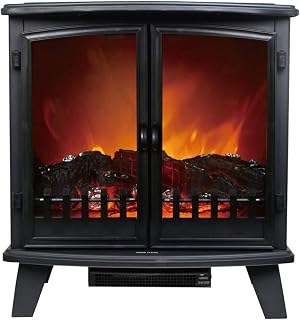


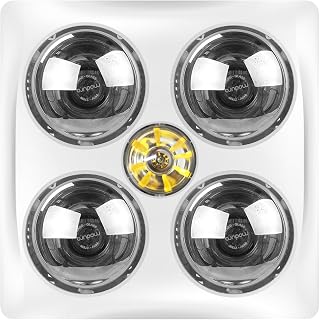


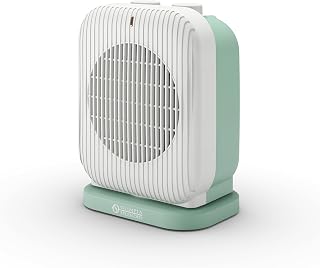


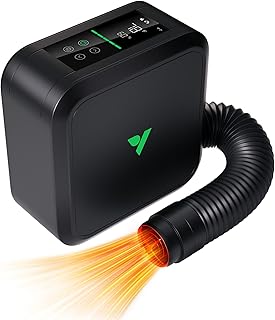


Choosing the best heater in Australia is not simply a matter of selecting the model with the highest wattage or the largest number of positive reviews. The right choice depends on room size, insulation, climate, electricity usage, heating speed, operating noise, safety features and how often the heater will be used. A compact bedroom has very different requirements from an open-plan living area, while a well-insulated modern home can need substantially less heating capacity than an older property with draughty windows.
When comparing heaters, consider the complete ownership picture rather than the purchase price alone. A low-cost heater can be perfectly suitable for occasional use, while a more sophisticated reverse-cycle air conditioner, oil-filled radiator or panel heater may make more sense when regular winter heating is required. Product specifications should always be checked against the manufacturer's current information and the retailer's listing before purchase.
The most useful starting point is the room you want to heat. Measure the approximate floor area and consider ceiling height, windows, external walls and insulation. A heater designed for a small bedroom may struggle to provide comfortable warmth in a large living room, while an oversized portable heater may be unnecessary for a compact office.
Australian buyers can choose from several fundamentally different heating technologies. Understanding how each works makes product comparisons much easier because features that matter for one type may be irrelevant for another.
Fan heaters use an electrical heating element and a fan to circulate warm air. Their main advantage is rapid delivery of noticeable heat, making them useful when you want to warm a small area relatively quickly. They are often compact and easy to move between rooms.
The trade-off is that the fan creates operating noise and continuously moving air may not suit everyone. Fan heaters are generally better considered for targeted or shorter-duration heating rather than assuming that a compact appliance will efficiently heat an entire large home.
Ceramic heaters use a ceramic heating element and commonly combine it with a fan for distributing warm air. They can provide responsive heating and are available in compact portable formats as well as larger designs.
When comparing ceramic models, do not assume that the word “ceramic” automatically means lower running costs. Electrical resistance heaters ultimately convert electrical energy into heat, so running cost depends heavily on power consumption, operating time and your electricity tariff. Compare the actual wattage and controls instead of relying on marketing terminology.
Oil-filled heaters use an electrically heated fluid inside sealed columns to transfer heat to the surrounding room. They are known for providing steady radiant and convective warmth rather than the immediate blast of warm air associated with a fan heater.
They can remain warm after the heating element cycles off, but they typically take longer to reach their operating temperature. Their larger physical size and weight can also make them less convenient to move frequently. For buyers prioritising quiet operation, however, the absence of a conventional fan can be an important consideration.
Panel heaters are designed to provide relatively gentle, distributed heat and can be useful where a low-profile appliance is preferred. Some models are portable while others are intended for more permanent installation.
Look closely at installation requirements, thermostat controls, timer functions and whether the particular product is designed for floor or wall mounting. A wall-mounted appliance can save floor space, but installation requirements should never be overlooked when comparing it with a portable alternative.
Convection heaters warm air, which then circulates through the room. This can provide relatively even ambient heating when the heater is correctly sized and positioned. They are worth considering when the goal is to maintain a comfortable room temperature rather than produce a concentrated stream of heat.
Radiant heaters direct infrared heat toward people and objects rather than relying entirely on warming the surrounding air. This makes them particularly relevant when you need warmth in a defined area, such as a covered outdoor space or a seated position.
Radiant heating is highly dependent on positioning. The heater may feel warm when you are directly within its heating zone without necessarily raising the temperature throughout a large room. Always check whether a product is approved and designed for the intended indoor or outdoor environment.
Reverse-cycle air conditioners operate differently from conventional electric resistance heaters. Instead of directly converting electricity into heat through a resistive element, they use a heat-pump cycle to transfer heat. This can make them an important option for households that need both heating and cooling throughout the year.
For permanent whole-room or whole-home heating, a correctly sized reverse-cycle system can be worth comparing with portable heaters. Installation requirements, upfront cost, room layout, insulation and the system's heating performance all need to be considered rather than comparing appliance wattage alone.
Wattage is one of the most commonly quoted heater specifications, but it should not be interpreted as a simple “higher is always better” ranking. A higher-powered electrical heater can deliver more heat over a given period, but it can also consume more electricity when operating at full power.
A useful basic calculation is:
Energy consumption in kWh = power in kW × operating time in hours.
For example, a 2 kW heater operating continuously for three hours would use 6 kWh during that period. The actual electricity cost depends on the applicable electricity tariff, while thermostatic cycling can reduce the amount of time the heating element operates at full power.
This is why buyers should avoid relying on broad claims such as “energy efficient” without examining the actual specifications. Compare wattage, thermostat behaviour, operating modes and expected usage patterns together.
A thermostat allows a heater to respond to the room temperature rather than simply running continuously. Once the target temperature is reached, the heating system can cycle or reduce operation depending on its design.
For regular winter use, thermostat quality can be more useful than having numerous decorative settings. A heater with clear temperature control can make it easier to maintain a comfortable room without manually switching the appliance on and off throughout the day.
Modern heaters can include a long list of controls and convenience features. Not every feature deserves equal weight. Prioritise the functions that affect safety, temperature control, usability and suitability for your room.
Adjustable temperature settings are useful for maintaining comfort without operating the appliance at maximum output all the time. Look for controls that are easy to understand and sufficiently precise for normal household use.
Low, medium and high settings can be practical when room conditions change. A lower setting may be adequate during mild winter weather, while higher output can be useful when initially warming a cold room.
A timer can be particularly useful for bedrooms and morning routines. It may allow the heater to switch off automatically after a chosen period or start according to a schedule, depending on the model. Check exactly how the timer operates rather than assuming every appliance offers programmable scheduling.
Remote controls can improve convenience when the heater is positioned across a room. Some products also offer app-based controls or integration with smart-home systems. These features can be valuable, but they should not outweigh basic considerations such as appropriate heating capacity, safety controls and reliable temperature regulation.
Oscillation can help distribute warm air across a wider area in fan-based heaters. It is particularly useful when one appliance is intended to provide warmth across several seating positions rather than heating one fixed spot.
Noise is easy to overlook during daytime shopping but can become important at night. Fan-based models generally produce more audible airflow than passive or oil-filled designs. If the heater will be used in a bedroom, nursery or home office, pay attention to the manufacturer's stated noise information where available and consider the appliance's fan design and operating modes.
Heating appliances require careful placement and responsible operation. A product's safety features should be considered alongside its heating performance, particularly if it will be used in a bedroom or around children and pets.
Always read the manufacturer's safety instructions before first use. Keep heaters away from curtains, bedding, furniture and other combustible materials, and never cover a heater unless the manufacturer specifically states that it is designed for that purpose.
Even a well-designed heater can perform poorly or become hazardous when positioned incorrectly. Place portable heaters on a stable, level surface and maintain the clearance specified by the manufacturer.
Bedroom heating has different priorities from living-room heating. Quiet operation, accurate temperature control, automatic shut-off and a compact footprint can be more important than maximum heat output.
For overnight use, examine the manufacturer's instructions carefully to determine whether the appliance is intended for unattended or extended operation. A timer can be useful if you only want heating during the period before sleep or around the time you wake up.
Portable fan heaters can warm a room quickly but may introduce fan noise. Oil-filled or other low-noise designs can be worth comparing when quiet operation is a major requirement.
Living rooms generally require more careful consideration of heat distribution because people may be spread across a larger area. An appliance that feels very warm when standing directly in front of it may not provide the same level of comfort throughout the room.
For larger living areas, compare the heater's recommended room size or heating capacity, airflow pattern, thermostat behaviour and heat distribution. If the space is open to a kitchen, hallway or adjoining rooms, remember that the heater may effectively be dealing with a much larger volume than the nominal living-room floor area suggests.
Home-office users often prioritise quiet operation, compact dimensions and precise temperature control. A heater that produces strong airflow may be effective but distracting during video meetings or concentrated work.
Consider where the appliance will sit relative to your desk, chair, computer equipment and electrical outlets. Avoid placing a heater where its warm airflow could unnecessarily heat sensitive electronics or where cables can become tangled with the heater's power cord.
Portable heaters are attractive because they can be moved between rooms and generally require little installation. They are particularly practical for renters or households that only need supplemental heating in selected rooms.
Fixed heating systems can make more sense where consistent heating is required across larger areas. The decision should take into account installation, upfront cost, energy use, maintenance and the number of rooms that need heating.
Physical dimensions matter more than many buyers expect. Measure the intended location before purchasing, especially when buying a column heater, panel heater or larger fan heater.
For portable products, also consider how easily the heater can be carried and stored during warmer months. A lightweight compact heater may be more convenient for moving between rooms, whereas a heavier design may be less practical even if its heating characteristics suit the space.
Build quality is not determined by one material alone. Examine the overall construction, control quality, base stability, grille design, cable quality and the way moving components operate.
Metal-bodied heaters may have different heat-retention characteristics from plastic-bodied portable appliances, but material choice should never be treated as a substitute for checking the manufacturer's specifications. For any product under consideration, examine the construction details, intended use and safety instructions.
Brand familiarity can be useful when creating a shortlist, but brand recognition should not replace product-level comparison. Depending on the category and current Australian range, shoppers may encounter brands such as De'Longhi, Dyson, Dimplex, Goldair, Kambrook, Breville, Rinnai, Mill and Omega.
Different brands specialise in different types of heating appliances, and product ranges change over time. Compare the exact model rather than assuming that every heater from a familiar brand offers the same performance, controls or safety features.
Customer reviews can reveal practical information that specifications do not always capture, but review scores should be interpreted carefully. A large number of reviews does not automatically prove that one heater is the best choice for every Australian household.
Look for recurring patterns. Several independent customers mentioning the same issue can be more informative than one highly enthusiastic or highly negative review. Pay particular attention to comments about thermostat behaviour, noise, durability, controls, heat distribution, portability and ease of use.
Also separate product feedback from retailer or delivery feedback. Comments about packaging, shipping delays or retailer service may be useful when choosing where to buy, but they do not necessarily tell you how well the heater performs.
Higher wattage is not synonymous with better heating for every situation. The appliance must be appropriate for the room and intended use.
A fan heater can be perfectly acceptable in a living room but irritating in a bedroom. Consider the environment in which the heater will operate.
Windows, doors, insulation, ceiling height and draughts can dramatically affect perceived heating performance. A powerful heater cannot fully compensate for severe heat loss without using additional energy.
Wi-Fi controls, displays and remote controls can be convenient, but they should come after safety, suitable capacity, temperature control and reliability in the buying decision.
Indoor and outdoor heaters are not automatically interchangeable. Check the manufacturer's stated application and environmental requirements before using an appliance in a patio, bathroom, garage or other specialised area.
Follow the manufacturer's electrical instructions and do not overload outlets or use inappropriate extension arrangements. If you are uncertain about an electrical installation or connection, obtain advice from a suitably qualified professional.
The most economical heater is not necessarily the appliance with the lowest advertised wattage. Household heating costs are strongly influenced by how long the appliance runs and how much heat the room loses.
Regular maintenance can help keep a heater operating safely and effectively. Always switch off and unplug a portable electrical heater before cleaning it, and allow hot components to cool completely.
If an appliance develops an unusual smell, visible damage, abnormal noise, repeated overheating or another unexpected fault, stop using it and follow the manufacturer's safety and service guidance.
Australia does not have one uniform winter climate. Heating requirements differ considerably between Tasmania, Victoria, New South Wales, South Australia, Western Australia, Queensland and the Australian Capital Territory. Even within the same state, coastal and inland conditions can be very different.
In a milder climate, occasional targeted heating may be sufficient. In colder regions, households that heat frequently may benefit from evaluating the total operating cost and long-term suitability of a more permanent heating system.
Home construction also matters. A newer, well-insulated dwelling may retain heat significantly better than an older property with single-glazed windows, gaps and limited insulation. Consider the building as part of the heating system when comparing products.
Online shopping makes it easy to compare a large number of heaters, but specifications should be verified carefully before placing an order. Product listings can change, and the same model may be offered in different versions or configurations.
A ranked list is a useful starting point, but the “best” heater ultimately depends on the buyer's priorities. Instead of selecting the first-ranked product automatically, narrow the list according to your room and usage pattern.
There is no single heater type that is best for every Australian home. Fan and ceramic heaters can suit quick targeted heating, oil-filled and similar designs can appeal to buyers prioritising quiet operation, radiant heaters can provide focused warmth, and reverse-cycle air conditioners can be suitable for households wanting a permanent heating and cooling solution. The best choice depends on the room, climate, insulation, usage pattern and budget.
Not necessarily. Higher wattage generally means greater electrical power consumption when operating at that output, and the appliance still needs to be appropriate for the room. Compare heating capacity, thermostat control, room suitability and operating requirements rather than using wattage as the only selection criterion.
The term “ceramic” alone does not establish lower running costs. For electric resistance heating, compare the appliance's power consumption, operating duration and electricity tariff. Thermostatic control and the amount of heat lost from the room can also have a major effect on total usage.
Oil-filled heaters are designed for household heating, but every electrical heater must be used according to its manufacturer's safety instructions. Keep the appliance stable and clear of combustible materials, maintain required ventilation and clearance, and use the electrical connection specified by the manufacturer.
For bedrooms, prioritise suitable heating capacity, quiet operation, accurate temperature control and safety features. A timer can also be useful. Always check whether the particular model is intended for the way you plan to operate it, especially if overnight use is contemplated.
It depends on the heater's capacity, room size, insulation, ceiling height and heat loss. A small portable heater may provide useful supplemental warmth without being capable of evenly heating a large open-plan space. Check the manufacturer's recommended application before relying on a portable appliance for primary heating.
There is no universal answer without considering the heating technology and the job it needs to perform. A low-wattage portable heater can use less electricity per hour but may need to operate for longer or may not provide adequate heating. Compare the amount of useful heat required, operating time and electricity tariff.
Fan heaters normally produce some airflow noise because a fan is used to distribute warm air. Noise varies by model and operating mode. If quiet operation is important, compare the manufacturer's noise information where available and consider heater types that do not rely on a fan.
For occasional room-by-room heating, a portable heater can offer simplicity and flexibility. For regular heating over larger areas, particularly where cooling is also required, a properly selected reverse-cycle air conditioner may deserve consideration. Installation, upfront cost, room layout and expected usage should all be included in the comparison.
Cleaning frequency depends on the appliance and household environment. Follow the manufacturer's maintenance instructions and keep air intakes, outlets and accessible surfaces free from accumulated dust. Always disconnect a portable electrical heater from power before cleaning it.
No. Never assume that a standard portable heater is suitable for a bathroom or other wet environment. Check the manufacturer's instructions and electrical safety requirements for the exact product and intended location.
Use heating only where and when it is needed, use thermostatic controls appropriately, reduce draughts, improve insulation where practical and close doors between heated and unheated areas. Selecting a heater that is appropriately sized for the room can also prevent inefficient use.
The best heater purchase is the one that matches the actual heating problem rather than the one with the longest feature list. Before choosing from a Top 10 selection, establish the room size, heating frequency, preferred temperature, acceptable noise level and whether portability is important. Then compare heater technology, power, thermostat control, safety features, dimensions and current customer feedback.
For Australian shoppers in 2026, it is particularly important to check current model specifications rather than relying on older comparison articles. Manufacturers can update product ranges, retailers can change listings and prices can vary substantially over time. Verify the exact model, read the latest available specifications and check today's price and retailer terms before making a purchase.
An independent buying guide should help narrow the field, but the final decision should be based on your home, your climate and your intended use. A carefully matched heater can provide more useful comfort than simply choosing the most powerful or most expensive option available.