

♥ Wishlist
Compare 56 verified Refrigerators & Washing Machines for Australian Homes products in Australia. Reviews, ratings, pros, cons and buying advice updated for October 2026.


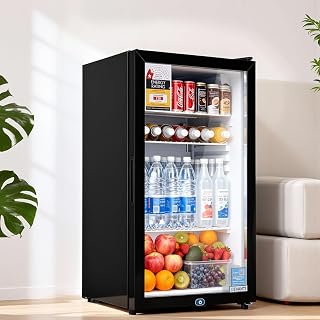




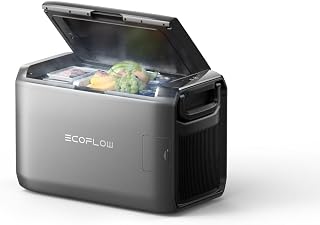


Choosing a major appliance in Australia involves more than comparing a star rating or selecting the model with the most features. Refrigerator and washing-machine requirements vary considerably between households, so the best choice depends on available space, household size, laundry habits, kitchen layout, energy use, water availability, noise tolerance and the features that genuinely improve everyday use.
For an independent buying decision, compare several models using the same criteria. Look beyond headline features and examine dimensions, capacity, energy and water performance, cycle options, temperature-control features, installation requirements, maintenance needs and the practical design of the appliance. Brands such as LG, Samsung, Bosch, Fisher & Paykel, Westinghouse, Haier, Hisense and Electrolux offer different combinations of features and price positioning, but brand recognition alone should not determine the final choice.
Measure the intended installation area before comparing refrigerator models. Record the width, height and depth of the opening, then check how much clearance is required around the appliance according to the manufacturer's installation instructions. Do not assume that a refrigerator advertised as a particular width will fit comfortably into an existing cavity.
Door movement is equally important. A refrigerator can technically fit into a space while still being impractical if the doors cannot open sufficiently. Check hinge position, door-swing clearance and whether drawers can be pulled out when the door is opened at the available angle. In a kitchen positioned close to a wall, the hinge design and door-opening direction can become particularly important.
Also account for the route into the property. Measure doorways, hallways, lifts, staircases and other restricted points if a large refrigerator is being considered. A model that fits the kitchen may still present a delivery challenge if the path to the installation location is narrow.
Refrigerator capacity should reflect actual shopping and cooking habits rather than simply choosing the largest cabinet that fits. Larger households may benefit from additional fresh-food and freezer capacity, while a smaller household may prefer a more compact design that reduces wasted space and makes frequently used food easier to access.
Pay attention to the balance between refrigerator and freezer space. Some households use substantially more fresh-food storage than freezer storage, whereas others regularly freeze bulk purchases, prepared meals or meat. A large total capacity does not necessarily mean the internal layout will suit your needs.
Top-mount refrigerators generally place the freezer above the refrigerator compartment. This layout can be straightforward and practical, particularly when freezer access is frequent. Bottom-mount designs reverse the arrangement so commonly accessed fresh food is positioned higher, reducing the need to bend down repeatedly.
French-door and multi-door refrigerators can provide broad fresh-food shelves and flexible storage arrangements. They can be useful for households that regularly store wide dishes, trays or larger containers. Their additional doors and compartments, however, can increase complexity and require careful consideration of kitchen space.
Side-by-side models divide refrigerator and freezer storage vertically. This can make both sections easy to reach without opening a very wide door, although the individual compartments may be narrower than those in some other configurations.
Internal organisation has a major effect on usability. Adjustable shelves can accommodate tall bottles and containers, while full-width shelves can make larger food items easier to arrange. Spill-resistant shelf designs may also simplify cleaning when a container leaks.
Check the shape and accessibility of door bins rather than counting their number. A large number of narrow bins is not automatically better than fewer, deeper storage areas. Consider whether frequently used bottles, jars and cartons can be retrieved without moving several other items.
Separate crisper compartments can help organise fruit and vegetables, while dedicated drawers may be useful for particular foods. The most useful configuration is the one that matches the household's normal grocery storage rather than the one with the longest feature list.
Consistent temperature management is an important refrigerator consideration. Look for practical temperature controls, clearly defined cooling zones and an internal layout that allows air to circulate appropriately. Features such as adjustable cooling zones, rapid-cooling modes and dedicated storage compartments can be useful when they correspond to real household needs.
Automatic ice makers, water dispensers and filtered-water systems can add convenience, but they also introduce additional components that may require cleaning or maintenance. Before paying more for these features, consider installation requirements, access to water connections and the long-term practicality of maintaining the system.
Connected refrigerators can offer functions such as temperature notifications, diagnostics, appliance monitoring and app-based controls. These features can be convenient, particularly for users who already use a connected-home ecosystem.
However, smart functionality should remain secondary to fundamental refrigerator performance. A reliable cooling system, suitable capacity, practical storage and appropriate dimensions matter every day. Do not choose a refrigerator primarily because it has a touchscreen or connected application if its physical layout is poorly suited to your kitchen.
Energy consumption deserves particular attention because a refrigerator operates continuously. When comparing models, examine the current Australian energy label and compare annual energy consumption as well as the star rating. The number of stars provides useful context, while the estimated annual energy-use figure can make comparisons between differently sized models more meaningful.
When comparing appliances with substantially different capacities, consider whether you are paying for storage you will actually use. An exceptionally large refrigerator may have a favourable efficiency rating while still consuming more electricity than a smaller model simply because of its greater size and cooling requirements.
Installation and everyday operation can also affect performance. Allow the clearances specified by the manufacturer, keep ventilation areas unobstructed and avoid placing the refrigerator where it is exposed to excessive heat. Regularly check door seals for damage or poor contact, because a compromised seal can make the appliance work harder to maintain its internal temperature.
The front-loader and top-loader decision is one of the most important washing-machine choices. Front loaders typically use a horizontal drum and require the user to load laundry through a front door. They can be well suited to households seeking efficient washing and flexible installation arrangements, particularly where a dryer may eventually be stacked above the washer using compatible equipment.
Top loaders allow laundry to be loaded from above. This can be convenient for users who prefer not to bend down as far when loading and unloading. Some top-load designs also allow laundry to be added or adjusted during parts of a wash cycle, depending on the model.
Neither design is universally best. Compare the actual wash programmes, dimensions, drum capacity, water consumption, energy performance, noise characteristics and installation requirements of individual models.
Washing-machine capacity is usually expressed in kilograms and should be considered alongside how often the household does laundry. A larger drum can reduce the number of loads when there is enough laundry to fill it appropriately, while an oversized machine may be unnecessary for a household that washes small loads frequently.
A washing machine's headline capacity does not mean every programme is intended to be run at that maximum load. Specific cycles can have different load recommendations, especially programmes designed for delicate fabrics, quick washing, wool or heavily soiled garments.
Read the manufacturer's programme information before assuming a machine's maximum capacity applies to every wash. A machine with numerous cycles is only valuable if the available programmes match the clothes and fabrics the household actually washes.
Australian washing machines can be compared using their energy and water efficiency information. When assessing running costs, consider both electricity and water use rather than focusing on a single efficiency number.
A washing machine's real-world operating cost depends on factors such as the selected programme, water temperature, load size and frequency of use. Cold-water washing can reduce heating demand where the selected detergent and garment-care requirements make it appropriate.
For a fair comparison, examine the information associated with the relevant Australian energy and water efficiency labelling schemes and compare machines of similar capacity. A machine with a favourable rating should still be checked for cycle times, usable capacity and programme suitability.
Higher maximum spin speeds can extract more water from laundry before it is transferred to a clothesline or dryer. This may shorten subsequent drying time, but spin speed should not be considered in isolation. Some fabrics require gentler treatment, and users may prefer lower-speed settings for particular garments.
Useful programmes vary by household. Common options can include cotton, synthetics, delicates, wool, bedding, quick wash, intensive cleaning and hygiene-focused cycles. More programmes do not necessarily mean better performance; usability matters more than the raw number of settings.
Flexible temperature controls can help users tailor washing to fabric type, stain level and detergent requirements. A machine that provides straightforward temperature and cycle adjustments can be more useful than one that hides important settings behind complicated menus.
Delay-start functionality can be useful for households that want laundry to finish at a particular time. Check the manufacturer's instructions concerning unattended operation and ensure the appliance is used in accordance with its safety guidance.
Load-sensing systems can adjust aspects of a wash according to the amount of laundry detected. This can be convenient for households that run loads of varying sizes. Compare how the feature operates rather than assuming that every load-sensing system delivers identical results.
Noise matters particularly when the laundry is close to bedrooms, living areas or home offices. Check published noise information where available and consider the flooring and installation environment. Correct levelling is important for reducing excessive movement during high-speed spinning.
A washer-dryer combination can be attractive where floor space is limited because one appliance performs both functions. It can simplify a compact laundry area and eliminate the need for a separate dryer.
However, compare the washing and drying capacities carefully. The maximum drying capacity may be lower than the washing capacity, meaning a full wash load may not always be suitable for immediate drying in the same appliance. Drying-cycle duration, ventilation requirements, energy use and programme flexibility should also be considered.
Where space and budget allow, separate appliances can provide greater flexibility because washing and drying can occur independently. A compatible stacked washer-and-dryer arrangement can also make efficient use of vertical space, subject to manufacturer-approved installation requirements.
For both refrigerators and washing machines, measure the complete installation environment rather than the appliance cavity alone. Consider plumbing connections, power outlets, ventilation, door movement and access for servicing.
Check the required water inlet and drainage arrangement before purchasing. The location and condition of existing connections can affect installation. Make sure hoses can be routed according to the manufacturer's instructions without sharp bends or unsupported connections.
If a refrigerator includes a plumbed water dispenser or ice maker, verify whether a suitable water connection is available and whether professional installation is recommended or required. Models without plumbing may be more appropriate where the kitchen does not have a convenient water supply.
Major appliances should be connected in accordance with Australian electrical safety requirements and the manufacturer's instructions. Do not assume that an extension lead or adaptor is appropriate for a high-powered appliance. If the installation requirements are unclear, obtain advice from a suitably qualified professional.
Exterior finish is only one part of appliance construction. Stainless-steel-style finishes, coated metal and other surfaces can differ in how easily fingerprints, scratches and cleaning marks are visible. Choose a finish based on household use and cleaning preferences rather than appearance alone.
Inside a refrigerator, examine shelf construction, drawer movement, door-bin rigidity and the quality of adjustable components. These parts are handled repeatedly, so practical robustness matters.
For washing machines, consider the drum design, door construction, control interface, detergent drawer and accessible service areas. A well-designed machine should make routine loading, cleaning and maintenance straightforward.
When comparing products, create a consistent set of criteria instead of comparing whichever specification each manufacturer chooses to highlight. For refrigerators, record dimensions, gross and usable storage information where available, refrigerator-to-freezer capacity, energy consumption, door configuration, water connection requirements, cooling controls and warranty information supplied by the manufacturer.
For washing machines, compare dimensions, rated capacity, energy consumption, water consumption, programme options, maximum spin speed, noise information where published, installation requirements and any included or required accessories.
Customer reviews can provide useful information about everyday usability, but they should be interpreted carefully. Look for recurring comments about installation, controls, noise, storage layout, cycle behaviour and reliability rather than relying on isolated positive or negative experiences.
Brand selection can narrow a shortlist, but the model should ultimately be judged on its specifications and suitability. LG and Samsung offer refrigerators and washing machines with extensive feature sets, including connected functions on selected models. Bosch is often considered by shoppers who prioritise a particular combination of appliance design, controls and efficiency features. Fisher & Paykel offers a broad range of appliance formats, while Westinghouse, Electrolux, Haier and Hisense provide additional options across different specifications and price categories.
Instead of asking which brand is universally best, ask which model provides the right combination of dimensions, capacity, energy performance, usability, features, installation requirements and after-sales arrangements for the intended household.
Customer feedback is most useful when it is specific. Reviews that explain how an appliance performs after regular household use can reveal practical details that specification sheets do not fully communicate.
Reviews should complement, not replace, manufacturer specifications and official documentation. When an important specification appears inconsistent across listings, verify it using the manufacturer's current information before purchasing.
Major appliances are long-term household purchases, so warranty and service arrangements deserve attention before checkout. Read the applicable Australian warranty terms carefully and determine what is covered, how exclusions are described and what documentation may be required.
Also consider the availability of authorised service support and replacement parts for the specific model. A technically impressive appliance can be inconvenient to own if routine maintenance or repairs are difficult to arrange.
Keep purchase documentation, model numbers and serial information where appropriate. These details can be useful if warranty or service assistance is required later.
A practical shortlist should contain a small number of models that genuinely satisfy the household's requirements. Start by eliminating appliances that do not fit the available space. Then remove models with unsuitable capacity, installation requirements or efficiency characteristics. Only after these fundamentals are satisfied should additional features determine the final ranking.
For refrigerators, compare storage configuration and access as carefully as capacity. For washing machines, compare programme suitability and usable capacity rather than simply selecting the model with the highest kilogram rating.
Before purchasing, check the latest manufacturer specifications, current Australian energy information, retailer listings and verified customer feedback. Product ranges, model numbers, specifications and availability can change during 2026, so information from an older listing should not automatically be treated as current.
There is no single refrigerator that is best for every Australian household. The right model depends on kitchen dimensions, household size, storage habits, freezer requirements, energy use and preferred features. Compare models using these criteria rather than choosing solely by brand or advertised capacity.
It depends on how the refrigerator is used. A bottom-mount design can place frequently accessed fresh food at a more convenient height, while a top-mount configuration may suit households that want readily accessible freezer storage. Compare the internal layout and actual dimensions of the models being considered.
French-door models can be useful when broad refrigerator shelving and flexible storage are priorities. They can also require more kitchen space and may have additional components or features. Measure the installation area and compare the internal configuration before deciding.
The appropriate capacity depends on household size and laundry habits, including how frequently bedding, towels and bulky garments are washed. Choose a capacity that handles typical loads without forcing the household to pay for unnecessary drum space.
Neither design is universally superior. Front loaders may appeal to households seeking particular efficiency and stacking possibilities, while top loaders can offer convenient loading from above. Compare individual machines on capacity, efficiency, cycle options, dimensions and usability.
Energy efficiency should be an important factor, particularly for appliances used frequently or continuously. However, efficiency should be considered alongside capacity, dimensions, performance and purchase cost. A highly efficient appliance that does not suit the household's needs may not be the most practical choice.
Smart functions can be useful for monitoring, notifications, diagnostics and remote controls, but they are not essential for good appliance performance. Consider connected features an optional convenience rather than a substitute for appropriate capacity, efficient operation and practical design.
Noise can matter considerably when the refrigerator is positioned near bedrooms, living rooms or open-plan areas. Where noise information is published, compare it between shortlisted models and consider the installation environment as well.
Cleaning frequency depends on usage and the manufacturer's recommendations. Detergent drawers, seals, filters and the drum can require different maintenance routines. Follow the instructions for the specific model rather than applying one universal cleaning schedule.
Confirm the appliance dimensions, installation clearances, door or lid movement, delivery route, power requirements, water connections where applicable, drainage requirements for washing machines and any manufacturer-specific installation conditions.
The strongest appliance purchase is not necessarily the model with the longest feature list or highest headline capacity. For Australian households, a better decision comes from matching the refrigerator or washing machine to the available space, household workload, installation environment, efficiency requirements and everyday routines. Use current specifications, Australian efficiency information, manufacturer documentation and credible customer feedback to narrow the options, then compare the final shortlisted models on the factors that will matter throughout their ownership.