

♥ Wishlist

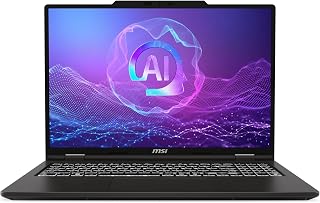


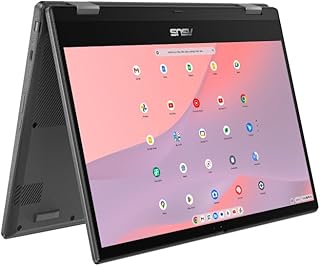


Choosing the right laptop can make everyday computing more convenient, whether you are working from home, studying at university, managing a business, streaming entertainment or staying connected with family and friends. A laptop combines a computer, display, keyboard and battery-powered design in one portable device, making it suitable for Australian shoppers who want flexibility without being tied to a desk.
When comparing laptops in Australia, start by considering how you plan to use the computer. Basic tasks such as web browsing, email, word processing, video calls and online research generally do not require the same level of hardware as gaming, video editing, graphic design or other demanding workloads. Matching the laptop to your actual requirements can help you avoid paying for specifications you may not need.
Different users have different priorities. Students may value a lightweight laptop that is easy to carry between home, lectures and study areas. Office users may look for a comfortable keyboard, dependable performance and a display suitable for long working sessions. Families may prefer an adaptable everyday laptop for browsing, streaming, schoolwork and general household tasks.
For creative professionals and users working with demanding applications, processing capability, memory, graphics performance and storage can become more important. If gaming is a priority, look closely at graphics hardware, processor performance, display refresh rate, cooling and available connectivity. Thinking about your typical workload before comparing models makes it easier to narrow down suitable options.
The processor influences how efficiently a laptop handles applications and multitasking. Everyday users can focus on a balanced configuration, while professionals, creators and gamers may benefit from higher-performance hardware. Consider your software requirements rather than choosing specifications based only on numbers.
RAM affects how comfortably a laptop can handle multiple applications and browser tabs at the same time. More memory can be useful for demanding workloads, multitasking and specialised software. Your preferred applications should guide the amount of RAM you need.
Storage determines how much space is available for applications, documents, photographs, videos and other files. Solid-state storage is commonly valued for responsive everyday performance. Consider both capacity and the types of files you expect to keep locally when comparing laptops.
A larger screen can provide more comfortable viewing space for productivity and entertainment, while a compact display can make a laptop easier to carry. Resolution, panel characteristics, brightness and viewing comfort can also affect the overall experience. Think about where you will use the laptop most often before selecting a screen size.
If you regularly travel between home, work, school or university, weight and battery performance deserve particular attention. A slim, lightweight laptop can be easier to transport, while larger models may provide additional screen space or hardware options. Remember that real-world battery life can vary depending on applications, display settings and usage patterns.
Australian shoppers may use laptops across a wide range of environments, from home offices and classrooms to shared workspaces and travel. A reliable everyday configuration can handle documents, spreadsheets, presentations, web applications, online meetings and general research. Students should also consider portability, charging requirements, storage needs and compatibility with software used for their course.
Check the available ports and wireless connectivity before purchasing. USB ports, display connections, audio connectivity and other interfaces can affect how easily you connect monitors, storage devices, accessories and other peripherals. If you already own equipment, confirm that the laptop supports the connections you need or allow for compatible adapters.
Begin with your intended use, then create a shortlist based on processor performance, RAM, storage, display, portability and connectivity. Compare the complete specification rather than focusing on one feature. It is also useful to consider the laptop's physical size, keyboard layout, operating system compatibility and available accessories.
Budget is another important consideration. Instead of selecting a laptop solely by price, consider the balance between performance and features that will remain useful throughout its expected period of ownership. A suitable configuration can provide better value when it meets your current needs without unnecessary upgrades.
There is no single laptop configuration that suits every Australian shopper. The ideal choice depends on your workload, portability requirements, preferred screen size, storage needs and budget. By comparing these factors together, you can identify a laptop that fits your everyday computing habits and supports the applications you rely on.
Explore the laptops category at A2Z Deal to compare available options and focus on the specifications that matter for your work, study, entertainment or everyday computing needs.
Find laptops suited to work, study, entertainment and everyday computing needs in Australia. Whether you need a practical computer for documents and browsing or a higher-performance device for creative tasks and demanding software, choosing the right laptop starts with understanding the features that matter most. Explore laptop options by performance, display, portability, storage and everyday use to make a more informed buying decision.