

♥ Wishlist
Compare 48 verified Cooktops for Modern Australian Kitchens products in Australia. Reviews, ratings, pros, cons and buying advice updated for October 2026.


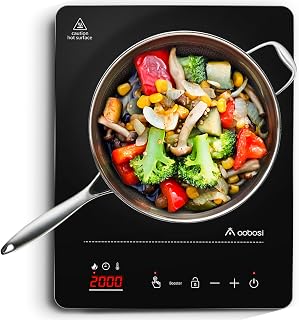


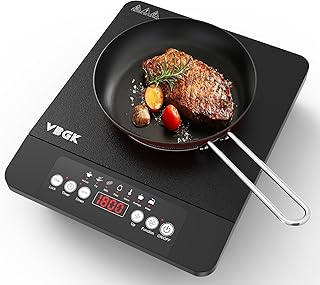


Choosing a cooktop for an Australian kitchen involves more than comparing the number of cooking zones. The right model needs to suit the available bench space, kitchen layout, cookware, electrical or gas installation requirements, cooking habits and long-term maintenance expectations. A cooktop that looks impressive on a specification sheet may not be the best choice if its dimensions do not suit the benchtop, its controls are inconvenient, or its power requirements are unsuitable for the property.
This guide is designed to make comparison easier by focusing on the characteristics that matter when assessing cooktops in Australia in 2026. Whether you are replacing an older appliance, renovating a kitchen or selecting a cooktop for a new home, compare the actual specifications of each shortlisted model rather than relying solely on star ratings or promotional descriptions.
The four main categories worth considering are induction, ceramic electric, traditional electric and gas cooktops. Each technology has different strengths, operating characteristics and installation considerations.
Induction cooktops heat compatible cookware through an electromagnetic field rather than relying on a conventional exposed heating element. This allows the cooking surface to remain comparatively cooler than the active cookware while providing highly responsive temperature control.
Induction is particularly attractive to cooks who value fast heat adjustment, easy cleaning and a modern, uncluttered cooking surface. Brands such as Bosch, Westinghouse, Smeg, Electrolux, Fisher & Paykel and Miele offer induction models across different price and feature ranges.
One important consideration is cookware compatibility. Cast iron and many magnetic stainless-steel pans work with induction, while some aluminium, copper and non-magnetic stainless-steel cookware may not. Check the cookware manufacturer's specifications before assuming an existing pan collection will work.
Ceramic cooktops generally use electric radiant heating elements positioned beneath a smooth glass-ceramic surface. They provide a flat appearance that is easier to wipe down than many traditional cookers, while avoiding the cookware compatibility requirements associated with induction.
The trade-off is that radiant ceramic elements generally respond more slowly to temperature changes than induction. The glass surface also remains hot after cooking, so users need to pay attention to residual-heat indicators and allow adequate cooling time before cleaning.
Gas cooktops remain popular with Australian households that prefer visible flames and immediate manual control. The flame makes it easy to see changes in heat output, and many cooks appreciate the familiar cooking behaviour of gas.
Gas models require appropriate gas installation and ventilation arrangements. Installation should be assessed by a suitably qualified professional, particularly when replacing one fuel type with another. The availability of a suitable gas connection should never be assumed simply because a previous appliance used gas.
Traditional electric cooktops use exposed or conventional electric heating elements rather than induction technology. They can be straightforward for basic cooking requirements, although they tend to offer fewer of the design and control features found on contemporary induction and ceramic models.
There is no universally best cooktop technology. The best option depends on how you cook, what cookware you own and what your kitchen can accommodate.
When comparing two similarly sized cooktops, consider the complete ownership experience rather than focusing on headline power figures. Control quality, usable cooking-zone layout, cleaning requirements, installation constraints and service considerations can have a greater effect on everyday satisfaction than a small difference in specifications.
The number of cooking zones should reflect the way your household actually prepares meals. A four-zone cooktop is a common configuration, but more zones are not automatically better.
A smaller two-zone model can be appropriate for a compact apartment, secondary kitchen or household that normally prepares simple meals. Three-zone and four-zone layouts can provide a useful balance for everyday family cooking. Larger five-zone layouts may be worthwhile for households that regularly use several pans simultaneously.
Also examine the positioning of the zones. Four zones can still feel cramped if large pans overlap or if the control area reduces the usable cooking surface. Look at the diameter and location of each zone rather than counting zones alone.
A large cooking zone is useful for oversized frying pans, stockpots, Dutch ovens and other wide cookware. However, the stated zone diameter should be compared with the base diameter of your cookware, because the physical dimensions of the pan and the heating area do not always correspond exactly.
Some induction cooktops provide flexible or bridge-style zones that can combine multiple heating areas for larger cookware. This can be useful with griddles, roasting pans and elongated cookware, but buyers should confirm how the feature operates and whether the cookware must be positioned in a particular area.
Do not purchase a replacement cooktop based solely on its advertised width. The critical dimensions include the overall appliance dimensions and the required benchtop cut-out dimensions.
A model described as a 60 cm cooktop should not be assumed to have exactly the same cut-out requirements as another 60 cm model. Always compare the manufacturer's installation dimensions for the exact model.
Electrical requirements deserve particular attention when choosing an electric or induction cooktop. Some higher-powered models may require a dedicated electrical circuit or other installation provisions. The exact requirements vary between models.
Before purchasing, review the installation documentation and have the property's electrical capacity assessed where necessary. Installation of electrical appliances should be handled according to applicable Australian requirements by an appropriately licensed professional.
Do not assume that an existing cooktop's electrical connection is automatically suitable for a replacement. A new appliance can have different electrical specifications even when its external dimensions appear similar.
Gas installations require equally careful planning. The appliance must be compatible with the property's gas supply and installed in accordance with applicable requirements. If changing from electric to gas or gas to electric, additional work may be necessary.
Buyers should consider the location of gas connections, ventilation, cabinetry and nearby appliances before finalising a purchase. The cooktop manufacturer's installation instructions should be reviewed before the appliance is ordered.
The cooking surface has a direct effect on cleaning, appearance and day-to-day maintenance.
Glass-ceramic surfaces provide a smooth appearance and can be relatively straightforward to wipe after cooking. However, they can be vulnerable to scratches, impact and thermal damage if handled incorrectly. Use cleaning products and utensils that are specifically appropriate for the surface.
Stainless-steel surfaces are commonly associated with gas cooktops and can provide a durable, practical appearance. They may show fingerprints, grease and water marks more readily than darker glass surfaces, so regular cleaning is important.
Gas cooktops with cast-iron trivets can provide a sturdy platform for cookware. Check whether the individual sections can be removed easily for cleaning and whether their weight and shape suit your preferred cooking routine.
Controls are one of the easiest features to overlook during online comparison. A cooktop can have excellent heating performance yet feel inconvenient if its controls are difficult to operate.
Consider whether controls remain easy to operate with wet or greasy fingers. Also check whether the control layout is positioned close to hot cookware or where large pans could obstruct access.
The number of selectable power levels can be useful, but it should not be treated as a direct measure of cooking quality. A cooktop with many settings is only valuable if those settings provide meaningful control.
For induction cooking, features such as boost functions can provide a temporary increase in heating power for tasks such as boiling water. Because boost operation can affect the power available to other zones, examine the manufacturer's description of how zones share power.
Gas users should consider the minimum flame level as well as maximum output. A strong burner is useful for boiling and high-heat cooking, while a stable low flame is important for simmering sauces and delicate foods.
Features should be evaluated according to usefulness rather than quantity. A basic cooktop with intuitive controls can be a better purchase than a feature-heavy model if most advanced functions will rarely be used.
Safety should be considered alongside performance and appearance. Exact safety functions vary by technology and model, so verify the manufacturer's specifications for the appliance under consideration.
Maintenance requirements should be considered before purchase because cooktop cleaning is an everyday task for many households.
Smooth induction and ceramic surfaces generally have fewer physical components to clean, although spills containing sugar or other substances can require prompt attention. Gas cooktops usually involve more removable components, including burner caps, grates and trivets.
Cookware compatibility is especially important when considering induction. A simple magnet test can provide an indication of whether some cookware is magnetic, but the appliance manufacturer's guidance should remain the final reference.
Induction users should also consider pan base size and flatness. A pan that technically works with induction may still perform poorly if its base is unsuitable for the cooking zone or if it does not make appropriate contact.
For gas and conventional electric cooking, cookware compatibility is generally less restrictive, although pan dimensions should still match the available cooking zones and burner sizes.
A household that frequently cooks several dishes at once may benefit from a layout with differently sized zones. Someone who mainly uses one saucepan and one frying pan may gain little from a much larger configuration.
Consider your most frequently used cookware and mentally position it on the proposed layout. Check whether handles would collide with neighbouring pans, whether a large pot would block controls and whether two high-output zones can realistically operate together.
When comparing shortlisted models, create a consistent specification checklist rather than comparing whichever figures happen to appear most prominently in a retailer listing.
Two cooktops with similar advertised widths can have substantially different cut-out dimensions and zone arrangements. Always compare the installation diagram.
A powerful induction cooktop may have specific electrical requirements. Confirm compatibility with the property before purchase rather than discovering an installation issue after delivery.
Switching to induction can mean replacing cookware that is not compatible. Include potential cookware replacement in the overall budget.
Extra zones can be useful, but they also occupy valuable bench space. Prioritise a layout that works with the cookware you actually use.
Maximum output is only one aspect of performance. Low-heat control, zone sharing, responsiveness and control usability can be equally important.
A cooktop that looks attractive in a product photograph may require a different cleaning routine from your current appliance. Consider how much maintenance you are willing to perform after every cooking session.
Installation requirements differ between models. Always check the manufacturer's installation documentation and confirm requirements with an appropriately qualified installer.
The purchase price is only one part of the total cost of owning a cooktop. Depending on the technology and property, you may also need to account for installation, electrical or gas work, cookware changes, cleaning products and potential cabinetry or benchtop modifications.
When comparing prices, compare like-for-like models with similar dimensions, controls, cooking zones and installation requirements. A cheaper appliance may not remain the cheaper option if it requires additional installation work or replacement cookware.
For an affiliate buying guide, current retailer pricing should always be checked at the time of purchase because prices, promotions, stock status and model availability can change.
Induction is often worth investigating for a modern renovation because of its smooth appearance, responsive control and straightforward surface-cleaning routine. However, the final choice should be based on installation requirements and personal cooking preferences.
Gas remains a logical choice for people who specifically prefer cooking with a visible flame and manual burner control. Prioritise burner arrangement, flame control, pan-support design and installation requirements.
A ceramic electric cooktop can be suitable when a smooth electric surface is preferred but induction cookware compatibility is undesirable or unnecessary.
Compact cooktops should be assessed primarily on usable cooking space, zone placement and installation dimensions. A smaller appliance can be more practical than a larger model if it leaves valuable bench space available for food preparation.
Frequent entertainers may benefit from multiple cooking zones, a practical zone layout and the ability to accommodate larger cookware. Before choosing a high-capacity model, check whether the electrical or gas installation can support it.
When researching cooktops, buyers may encounter established appliance brands including Bosch, Westinghouse, Electrolux, Smeg, Miele, Fisher & Paykel, ASKO, AEG, Beko and Euromaid. Brand familiarity alone should not determine the purchase; compare the exact model's specifications, installation requirements, warranty terms, controls and cooking-zone configuration.
Different brands can also use different terminology for similar functions. Read the detailed product documentation rather than assuming that similarly named features operate identically across manufacturers.
Customer reviews can provide useful information about usability, but they should be treated as one source of evidence rather than definitive proof of reliability or performance.
Before committing to a model, verify the exact model number and compare the manufacturer's specifications with the retailer's listing. Retailer descriptions can occasionally simplify technical information, while installation documentation provides the more important details for fitting the appliance.
Warranty terms should be evaluated before purchase, particularly for a major kitchen appliance expected to remain in service for years. Check the manufacturer's current warranty documentation for coverage period, conditions, exclusions and the process for making a claim.
Also consider whether service support and replacement parts are realistically accessible in your area. These factors can matter more over the lifetime of a cooktop than a small difference in the initial purchase price.
Regular maintenance helps preserve the appearance and operation of a cooktop. Follow the specific manufacturer's instructions because cleaning methods and permitted products vary between surfaces.
The best cooktop is the one that fits your kitchen, cooking habits and installation circumstances rather than simply the model with the longest feature list. Start by deciding which cooking technology suits your household, then narrow the options using dimensions, cooking-zone layout, power requirements, controls, safety features, cleaning needs and warranty conditions.
For an Australian kitchen, pay particular attention to installation specifications before ordering. Measurements, electrical capacity, gas requirements and clearance rules can determine whether a seemingly suitable cooktop is actually practical for the intended location.
When comparing the top cooktops in 2026, use the exact model number as your reference point, verify specifications against current manufacturer documentation, compare reputable retailer listings and read recent customer feedback for recurring usability issues. Check today's price separately from the product's long-term value, because promotions and availability can change.
There is no single best cooktop for every Australian household. Induction, ceramic electric and gas each suit different cooking preferences and installation circumstances. The best choice is the model that provides the required cooking capacity while fitting the available space and meeting the property's installation requirements.
Induction cooktops are worth considering if you value responsive heating, a smooth cooking surface and easy everyday cleaning. The main points to check are compatible cookware, electrical requirements, zone configuration and the appliance's specific power-management system.
Neither technology is universally better. Gas appeals to cooks who prefer visible flame and traditional burner control, while induction can appeal to those who prioritise responsive electronic control and a smooth surface. Compare the complete cooking and installation requirements rather than choosing based on technology alone.
Induction requires cookware with an appropriate magnetic base. Some existing cookware may already be compatible, while other pieces may need replacement. Check each pan and the cooktop manufacturer's compatibility guidance before purchasing.
Four zones are a practical starting point for many households, but the ideal number depends on cooking habits and available bench space. Consider zone sizes and arrangement as carefully as the total number of zones.
Choose a size that provides enough cooking space without compromising the kitchen layout. For replacement installations, the cut-out dimensions are particularly important. Never rely only on the nominal width stated in a retailer's title.
Check the new model's cut-out dimensions, overall dimensions, electrical or gas requirements, clearance requirements, ventilation considerations and control position. Professional installation requirements should also be confirmed before purchase.
Higher-priced models may offer additional features, premium materials or more sophisticated controls, but price alone does not determine whether a cooktop is appropriate. Compare the features you will actually use with the installation and ownership costs.
Routine cleaning is generally best performed after cooking once the surface is safe to clean according to the manufacturer's instructions. More thorough maintenance depends on the cooktop technology and how frequently it is used.
Start with practical constraints such as fit, installation and cooking-zone layout. Then compare controls, power management, cleaning requirements, safety functions, warranty conditions and current customer feedback. This approach is usually more useful than choosing solely by overall rating.