

♥ Wishlist
Compare 41 verified Smart Kitchen Appliances for Modern Australian Homes products in Australia. Reviews, ratings, pros, cons and buying advice updated for October 2026.


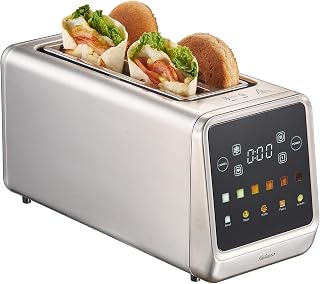


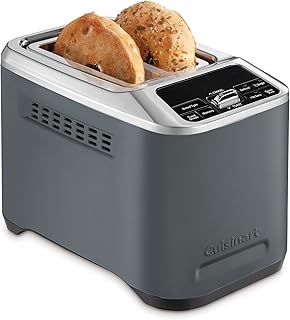


Choosing a smart kitchen appliance is about more than finding the product with the longest feature list. The best choice depends on how you cook, the size and layout of your kitchen, the strength of your home Wi-Fi, compatibility with your existing devices, cleaning requirements, energy consumption, and the amount of automation you actually want.
For Australian households, it is also worth checking the exact model number and local specification before buying. Appliances sold under similar names can have different plugs, electrical specifications, capacities, accessories, software features, or regional support depending on the market. Compare the Australian version of a product rather than relying only on an overseas review.
A smart kitchen appliance generally adds connected or automated functionality to a conventional appliance. Depending on the category, this can include smartphone control, remote monitoring, programmable schedules, cooking guidance, automatic adjustments, notifications, voice control, diagnostics, usage information, or integration with a broader smart-home ecosystem.
Not every connected feature is equally useful. Remote start may be valuable for some appliances but unnecessary for others. A recipe library can be helpful if it integrates directly with the cooking process, while a basic app notification may add little value. When comparing products, consider whether the smart functionality solves a genuine problem rather than simply increasing the specification count.
A companion smartphone application can provide settings, recipes, schedules, notifications, maintenance reminders, cooking programs, or usage information. Before choosing an appliance, check whether the app supports the features you actually want and whether the appliance can still be operated normally if the app, internet connection, or cloud service is unavailable.
Some appliances use Wi-Fi for internet-connected functions, while others use Bluetooth for local pairing. Wi-Fi is generally more useful when you want remote access or cloud-based services, but it also introduces another dependency into the appliance. Check the supported network requirements, pairing process, and whether your home router provides reliable coverage where the appliance will be installed.
Some smart kitchen products can interact with voice platforms such as Amazon Alexa or Google Home. Voice control can be useful when your hands are occupied while cooking, but compatibility varies considerably. A product may support voice commands for timers or status information without allowing every physical control to be operated remotely.
Preset programs can simplify common tasks by controlling temperature, time, fan speed, pressure, moisture, or other variables. Look beyond the number of programs. Ten useful programs can be more valuable than dozens of rarely used presets. Consider whether the appliance provides adjustable settings when you want more control.
Useful notifications can include cooking completion, preheating status, temperature changes, filter reminders, cleaning requirements, or fault alerts. These features can be particularly helpful for appliances where timing matters. However, notification controls should ideally be configurable so that useful alerts do not become excessive phone notifications.
Smart ovens can combine conventional heating with connected controls, guided cooking programs, temperature monitoring, or recipe assistance. When comparing ovens, pay close attention to cooking modes, usable internal capacity, temperature range, rack positions, cleaning method, door design, controls, and installation requirements.
For countertop models, measure the available bench space carefully. The external footprint can be substantially larger than the usable cooking chamber, and ventilation clearances may further increase the space required around the appliance.
Connected air fryers can offer app-based recipes, cooking presets, notifications, and remote monitoring. Capacity is particularly important. A compact basket may suit one or two people, while larger households may benefit from a larger basket or dual-zone design.
When comparing air fryers, assess basket dimensions rather than relying exclusively on litre figures. A wide cooking surface can be more practical for certain foods than a deep but narrow basket. Also consider dishwasher-safe components, non-stick coating requirements, control layout, shake reminders, and whether the basket is easy to remove and clean.
Multi-cookers can combine functions such as pressure cooking, slow cooking, steaming, sautéing, rice preparation, and other cooking programs. Connected versions may add guided recipes and app-based monitoring.
Safety features deserve particular attention with pressure-capable appliances. Look for clearly explained pressure-release mechanisms, secure lid design, readable controls, and straightforward cleaning procedures. Smart features should complement these fundamentals rather than distract from them.
Connected coffee machines can provide programmable drinks, user profiles, maintenance notifications, adjustable brewing parameters, and app control. For households with several coffee drinkers, personalised profiles can be particularly convenient.
Do not judge a smart coffee machine solely on connectivity. Grinder quality, brewing temperature control, milk system design, water capacity, bean-hopper capacity, cleaning procedures, replacement filters, and the availability of consumables can have a much greater impact on long-term ownership.
Smart refrigerators can include features such as internal cameras, temperature monitoring, door alerts, energy information, inventory assistance, or integration with other smart-home products.
For a refrigerator, basic refrigeration performance should remain the priority. Compare usable storage space, shelf configuration, freezer capacity, door layout, temperature controls, noise considerations, energy performance, installation dimensions, and service requirements before treating connected features as a deciding factor.
Connected dishwashers may provide cycle selection, status notifications, maintenance alerts, remote monitoring, or diagnostic information through a smartphone application.
Compare place-setting capacity, rack flexibility, cutlery storage, wash programs, drying performance, noise specifications, water and energy considerations, filter accessibility, and installation requirements. A sophisticated app cannot compensate for poor loading flexibility or inconvenient maintenance.
Connected kettles and brewing accessories can provide temperature presets, scheduling, temperature holding, or app control. These functions can be useful for tea, coffee, and other temperature-sensitive drinks.
Check minimum and maximum fill levels, heating speed, temperature accuracy, keep-warm behaviour, lid operation, handle comfort, cord or base design, and ease of descaling. For a simple appliance such as a kettle, the practical value of smart functionality should justify the additional complexity.
Smart blending appliances may provide preset programs, recipe guidance, automatic timing, or app-connected instructions. Compare motor control, container capacity, blade design, speed options, pulse functionality, noise, cleaning requirements, and replacement-part availability.
Consider the type of food you regularly prepare. A product designed primarily for smoothies may not be the right choice for heavy food processing, crushing hard ingredients, preparing hot mixtures, or making large batches.
Capacity should match the number of people you normally cook for and the types of meals you prepare. Larger capacity is not automatically better because it can increase physical size, storage requirements, cleaning effort, and energy use.
For ovens and air fryers, consider usable cooking area as well as stated volume. For refrigerators, focus on usable storage configuration. For coffee machines and kettles, water capacity should be balanced against footprint and refill frequency.
Electrical requirements are an important consideration in Australia. Check the product's Australian electrical specifications, rated power, plug configuration, and installation requirements before purchase. Built-in appliances may require professional installation or specific electrical arrangements, so do not assume that a product designed for another market is suitable for direct installation in an Australian home.
Common materials include stainless steel, tempered glass, aluminium, engineered plastics, ceramic surfaces, and various non-stick coatings. Each has different cleaning, durability, heat-resistance, and appearance characteristics.
Look closely at components that receive frequent handling. Hinges, baskets, removable trays, control knobs, seals, handles, racks, lids, and detachable containers can have a greater effect on day-to-day ownership than exterior styling.
A clear physical control system remains valuable even when an appliance has an excellent app. Touchscreens can provide flexibility, while physical buttons and knobs may be easier to operate with wet or messy hands.
Check display visibility, menu structure, response time, control lock functions, timer operation, and whether essential settings can be changed without opening the smartphone application.
If you already use connected devices at home, ecosystem compatibility can influence the buying decision. Products associated with Amazon Alexa, Google Home, Apple Home, Samsung SmartThings, or manufacturer-specific platforms can differ in how deeply they integrate with other devices.
Do not assume that the presence of a “smart” logo means full interoperability. Check the exact model's supported ecosystem and available commands. Integration can also change through software updates, so consider the manufacturer's long-term support approach when comparing products.
A good buying decision considers offline operation. Many smart appliances retain their basic physical controls when internet access is unavailable, but connected services may stop working. Depending on the model, app-based recipes, remote control, cloud data, notifications, or voice commands may require an internet connection.
Before purchasing, determine which functions work locally and which depend on an account, smartphone, Wi-Fi network, or cloud service. This is particularly important if you want a smart appliance to remain useful for many years.
Connected kitchen appliances can collect information related to device usage, settings, account details, diagnostics, and sometimes household routines. Read the manufacturer's privacy information before connecting an appliance to your home network.
Consider whether the product requires an account, what permissions its application requests, whether two-factor authentication is available, and how software updates are delivered. If an appliance can connect to a home network, use a strong unique password for the associated account and keep supported software updated.
The purchase price is only one part of the cost of owning a kitchen appliance. Electricity consumption, water use, replacement filters, cleaning products, consumable parts, accessories, and maintenance can all contribute to the total cost of ownership.
For applicable Australian appliances, compare the information provided on the relevant energy-rating label and official product documentation. Do not assume that a smaller appliance will always have the lowest running cost; usage patterns and cooking duration can make a substantial difference.
Smart energy monitoring can be useful when it provides meaningful information about usage. However, an appliance should not be considered energy efficient simply because it has an app or connected mode.
Ease of cleaning can determine whether a feature-rich appliance remains enjoyable to use. Before buying, identify which parts can be removed, which components are dishwasher-safe according to the manufacturer, and which areas require manual cleaning.
Connected appliances can provide maintenance reminders, but reminders do not replace routine care. Grease, mineral deposits, food residue, scale, blocked filters, and worn seals can affect performance regardless of how advanced the software is.
A practical appliance with accessible maintenance points can be a better long-term choice than a more sophisticated model that is difficult to clean.
More functions can mean more convenience, but they can also increase complexity. Prioritise the functions you will use repeatedly and compare them against simpler alternatives.
Always compare the appliance's external dimensions with your available space. Account for doors, handles, ventilation, cables, lids, and the clearance required to open removable components fully.
A large capacity does not guarantee practical cooking space. Internal shape, basket dimensions, shelf configuration, rack positions, and access can be just as important.
Before purchase, find out how the appliance is cleaned after a typical meal. A five-minute cleaning routine and a complicated disassembly process can produce very different ownership experiences.
Remote functions can have safety restrictions. Some appliances may prevent remote activation or require confirmation before certain operations. Check the manufacturer's specifications rather than assuming that every physical control can be operated from a phone.
Check the long-term availability of commonly replaceable components such as filters, seals, trays, baskets, water tanks, carafes, and accessories. This can be particularly important for appliances expected to remain in use for several years.
A structured comparison makes it easier to distinguish meaningful differences from marketing features. Create a shortlist and evaluate each product against the same criteria rather than comparing specifications selectively.
Brand reputation can be useful when comparing kitchen appliances, but it should not replace model-level research. Established brands such as Breville, Philips, Tefal, Bosch, Samsung, LG, Miele, Smeg, De'Longhi, Ninja, Instant, and KitchenAid offer products across different kitchen categories, but features and specifications vary significantly between individual models.
When comparing a particular brand, examine the exact model number, Australian specifications, included accessories, software support, replacement parts, cleaning instructions, warranty terms, and current retailer information. A well-known brand can still have models aimed at very different budgets and use cases.
Prioritise compact dimensions, multifunctionality, vertical storage, and easy cleaning. A combination appliance may make more sense than purchasing several connected products that each require dedicated bench or cupboard space.
Families should pay particular attention to capacity, cooking speed, batch preparation, durable components, simple controls, and cleaning. Smart scheduling and notifications can be useful when meal preparation has to fit around school, work, and other commitments.
Noise, footprint, ventilation, and electrical requirements can be particularly important in apartments. Countertop appliances should be evaluated for where they can be safely operated and stored, rather than simply whether they fit on a kitchen bench.
Look for reliable automation, programmable settings, useful notifications, quick cleaning, and repeatable cooking results. The most valuable smart appliance is often the one that reduces routine effort without requiring constant interaction with an application.
Experienced cooks may prefer appliances that provide precise manual control alongside automated programs. Temperature adjustment, timing flexibility, multiple cooking modes, and accessible controls can be more important than a large recipe database.
Customer reviews are useful when interpreted carefully. Instead of relying only on the average star rating, look for recurring comments about the same aspect of ownership.
Positive feedback about cooking performance, reliability, controls, cleaning, and useful smart functions can help identify strengths. Repeated complaints about connectivity, premature component failure, difficult cleaning, inaccurate controls, or inconvenient maintenance deserve closer attention.
Give greater weight to detailed reviews that explain how the appliance was used. A reviewer preparing occasional meals may have very different requirements from a household using the appliance several times every day.
The cheapest appliance is not necessarily the best value, and the most expensive model is not necessarily the most capable choice for every household. Compare the complete ownership proposition rather than the headline purchase price.
Consider the appliance's core performance, included accessories, expected maintenance, consumables, replacement components, energy use, smart features, controls, and practical capacity. When checking prices, compare the same model number and included package because retailers can offer different bundles or accessories.
Smart technology is not essential for every kitchen. A conventional appliance can be preferable when you want simple controls, fewer connected services, straightforward operation, or minimal dependence on applications and cloud services.
If the smart functions do not solve a genuine problem in your kitchen, spending more for connectivity may offer little practical benefit. The best purchase is the appliance that performs its primary job well and fits your routine.
Before purchasing any appliance that connects to mains electricity, water, gas, ventilation, or fixed cabinetry, review the installation instructions for the Australian model. Built-in ovens, cooktops, dishwashers, rangehoods, and other fixed appliances can have specific installation requirements.
Do not modify plugs, wiring, ventilation systems, safety devices, or installation components yourself unless the manufacturer's instructions and applicable Australian requirements clearly permit it. Where professional installation is specified or required, use an appropriately qualified installer.
Start by identifying the kitchen task you want to improve. Then decide whether you need a single-purpose appliance or a multifunction product. Set a realistic budget range and define the minimum capacity and physical dimensions that will work in your kitchen.
Next, shortlist products from established manufacturers and compare exact specifications. Eliminate products that do not meet your electrical, dimensional, capacity, or maintenance requirements. After that, compare smart features, app functionality, customer feedback, and ownership considerations.
Finally, check current Australian retailer pricing and the precise contents of the package before purchasing. Prices, promotions, stock status, bundles, and included accessories can change, so verify these details at the time of purchase.
There is no single best option for every household. The right choice depends on the cooking task, available space, capacity requirements, budget, preferred smart-home ecosystem, and willingness to maintain a connected appliance. Compare products according to the features you will actually use rather than choosing solely by brand or price.
They can be worthwhile when connectivity saves time or makes a frequently performed task easier. Remote notifications, guided cooking, programmable settings, personalised profiles, and automatic programs can provide genuine convenience. If these features are unlikely to be used, a conventional appliance may offer better value.
Requirements vary by model. Some connected functions require Wi-Fi and an internet connection, while basic physical operation may remain available offline. Check the manufacturer's documentation for the exact model to determine which features require internet access.
Some models support Amazon Alexa, Google Home, or other smart-home platforms, but compatibility varies by product and model. Check the exact Australian model's supported integrations and available voice commands before buying.
Not necessarily. Maintenance depends on the appliance rather than its smart status. Look for removable components, accessible filters, straightforward cleaning procedures, and clearly documented maintenance schedules. Connected reminders can make maintenance easier but do not eliminate the need for routine cleaning.
Prioritise the primary function first. An oven should cook effectively, a dishwasher should clean effectively, and a coffee machine should meet your brewing requirements before connectivity becomes a deciding factor. Smart features should add useful convenience rather than compensate for weaknesses in core performance.
Brand can provide useful information about product range, documentation, support infrastructure, and replacement components, but the exact model matters more. Compare model-specific specifications, included accessories, maintenance requirements, warranty information, and customer feedback before making a decision.
Connected appliances can change quickly because new models, firmware updates, applications, retailer pricing, and product availability can alter the buying landscape. A useful buying guide should be reviewed regularly, with model numbers, specifications, Australian availability, and current pricing checked before publication or purchase.
The strongest smart kitchen purchase is not necessarily the appliance with the most technology. It is the product that combines dependable core performance with useful automation, appropriate capacity, sensible dimensions, manageable cleaning, reasonable running costs, and smart features that genuinely fit your routine.
Before buying in Australia, compare the exact model number, Australian specifications, dimensions, included accessories, connectivity requirements, maintenance procedures, warranty information, customer feedback, and current retailer pricing. Use verified customer reviews and manufacturer documentation to confirm important details, and check today's price and availability immediately before completing a purchase.
For an independent buying decision, create a shortlist of several comparable models and score them against your own priorities. This approach helps separate genuinely useful smart kitchen technology from features that look impressive on a specification sheet but add little value in everyday cooking.