

♥ Wishlist


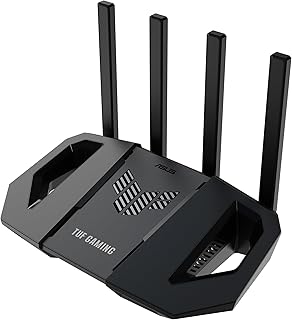


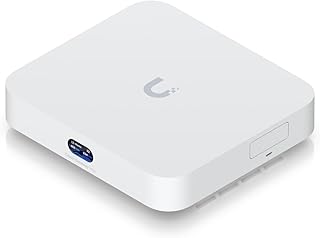


Reliable internet starts with the right networking hardware. Our routers and modems category brings together solutions for Australian homes, apartments, home offices, gaming setups and connected households. Whether you need stronger Wi-Fi coverage, support for a high-speed broadband plan, mobile internet through 4G or 5G, or a modern network for multiple devices, choosing suitable equipment can make everyday connectivity more convenient.
A router and a modem perform different jobs, although some products combine both functions in one device. A modem connects your network to an internet service, while a router distributes that connection to wired and wireless devices. For many households, a modem-router combination can simplify installation and reduce equipment. However, compatibility with your internet service and connection type should always be checked before buying.
Start by considering the type of internet connection you use and the way your household accesses the network. Australian shoppers may have different requirements depending on their broadband service, property size and number of connected devices. A standard Wi-Fi router can suit everyday browsing and streaming, while a more advanced model may be useful for busy households, gaming or demanding home-office networks.
Wi-Fi routers create a wireless network for laptops, phones, smart TVs, tablets, consoles and other connected devices. Dual-band models commonly provide 2.4 GHz and 5 GHz connectivity, while newer Wi-Fi generations can offer improved capacity and efficiency. Check the router's supported wireless standard, Ethernet ports and claimed coverage when comparing options.
A modem-router combines internet access hardware and routing functions in a single unit. This can reduce cable clutter and make a home network easier to manage. Before choosing one, confirm that the model is suitable for your specific service and connection technology. Compatibility is more important than choosing a device based only on advertised wireless speed.
Large homes, multi-storey properties and spaces with difficult Wi-Fi areas can benefit from mesh networking. A mesh system uses multiple units to provide broader wireless coverage and help reduce dead zones. Consider the number of nodes, coverage claims, wired backhaul support and expansion options when comparing mesh systems.
4G LTE and 5G routers use a mobile network connection instead of relying solely on fixed broadband. They can be useful for temporary connectivity, remote locations, backup internet or households where mobile coverage is a practical option. Check network-band compatibility, SIM requirements, antenna options and your mobile provider's service before purchasing.
Wireless speed is only one part of router performance. Look at the complete specification before making a purchase. Wi-Fi generation, frequency bands, Ethernet port speeds, processor capability, antenna design and the number of supported devices can all affect how well a router fits your network.
Security is another important consideration. Features such as WPA3 support, firewall controls, guest networking, VPN compatibility and automatic firmware updates can help you manage a safer home network. Parental controls and app-based management may also be useful for households that want straightforward control over connected devices.
Gaming and streaming can place greater demands on a home network, particularly when several people use the connection simultaneously. Look for features such as Quality of Service, low-latency controls, multi-gigabit Ethernet and traffic management if these functions match your needs. A capable router can help organise network traffic, although actual internet performance still depends on your service plan, connection quality and other network conditions.
For home offices, stable connectivity and reliable wired ports can be especially useful. If a computer, workstation or smart TV supports Ethernet, a wired connection can provide an alternative to wireless networking. When selecting a router, consider how many wired devices you expect to connect now and whether your network may expand later.
Wi-Fi 5, Wi-Fi 6, Wi-Fi 6E and Wi-Fi 7 represent different generations of wireless technology. Newer standards can introduce improvements in throughput, efficiency, capacity and network management, but compatible client devices are also required to take advantage of many features. You do not necessarily need the newest standard for a basic household network, so match the router to your actual devices and internet plan.
Compatibility should be one of the first checks when shopping for routers and modems in Australia. Confirm whether the product supports your internet connection, required frequencies and network provider requirements. For 4G or 5G equipment, check supported cellular bands and SIM requirements. For wired networking, review WAN and LAN port specifications to ensure the hardware can work with your existing equipment.
It is also worth checking the physical layout of your home. Thick walls, multiple floors, appliances and long distances can affect wireless coverage. If one router cannot provide the desired coverage, a mesh system or additional compatible networking equipment may be more suitable.
Our routers and modems category helps Australian shoppers explore networking equipment for different connectivity requirements. Compare wireless standards, connection types, Ethernet speeds, coverage, security features and device capacity before choosing. Whether you are replacing an older router, improving coverage, preparing a gaming network or looking for a 4G or 5G alternative, focusing on compatibility and practical requirements can help you select a solution that fits your setup.