

♥ Wishlist
Compare 48 verified Toners and Essences for Australian Skincare Routines products in Australia. Reviews, ratings, pros, cons and buying advice updated for October 2026.


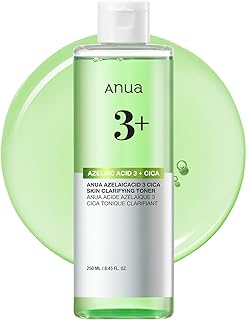


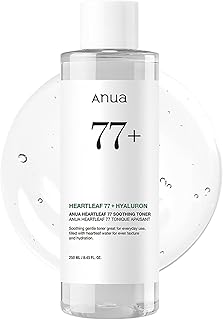

Choosing a toner or essence is less about finding the product with the longest ingredient list and more about matching the formula to your skin type, routine, climate and specific skincare goals. In Australia, shoppers also need to consider seasonal changes, strong sun exposure, dry indoor environments, humidity and how a product fits alongside sunscreen and other active skincare.
A toner can be used to add hydration, support a comfortable skin feel, or deliver targeted ingredients, while an essence is generally positioned as a lightweight treatment step between cleansing and subsequent skincare. The distinction is not always strict: modern skincare formulas frequently overlap, so the ingredient profile and intended use are more useful buying criteria than the name printed on the bottle.
When comparing products, look beyond marketing terms such as “glow”, “glass skin”, “pore care” or “deep hydration”. Check the full ingredient list, the concentration and type of active ingredients where disclosed, fragrance content, alcohol content, packaging, bottle size and directions for use. A simple formula that suits your skin can be a better choice than a highly complicated product that conflicts with the rest of your routine.
The categories can be confusing because brands use the terms differently. Traditional toners were often associated with removing residue after cleansing, whereas contemporary toners may focus primarily on hydration, gentle exfoliation or soothing. Essences are usually lightweight leave-on treatments designed to prepare the skin for subsequent products while contributing their own skincare benefits.
There is no universal rule that every routine needs both. If your cleanser leaves your skin comfortable and your moisturiser and treatment products already provide adequate hydration, adding two similar watery layers may offer little additional value. Conversely, someone with dehydrated-feeling skin may prefer a hydrating toner or essence as an easy way to introduce another lightweight layer without immediately moving to a heavier cream.
Humectants attract and hold water within the upper layers of the skin. Hyaluronic acid is one familiar example, but ingredients such as glycerin, propanediol, beta-glucan and some forms of sugar-based moisturising agents can also contribute to a hydrated skin feel.
A formula containing several humectants may be particularly appealing if your skin feels tight after cleansing. However, hydration works best as part of a complete routine. A moisturiser can help reduce water loss after the lightweight toner or essence has been applied.
Niacinamide is a versatile skincare ingredient commonly included in formulas aimed at improving the appearance of uneven tone, supporting the skin barrier and managing the appearance of excess oil. The presence of niacinamide does not automatically make one product better than another, so consider its position within your overall routine and whether other products already contain it.
Centella asiatica is widely used in skincare formulated for a soothing, comfortable skin feel. Products containing centella may be worth considering when you prefer a minimalist routine and want a lightweight layer without a strong exfoliating action.
Glycolic acid, lactic acid, mandelic acid and salicylic acid can appear in toner-type products intended for exfoliation. These products require more careful selection than basic hydrating toners because combining multiple exfoliating products can make a routine unnecessarily aggressive.
Salicylic acid is oil-soluble and is commonly selected for routines focused on the appearance of congested pores and blemishes. Alpha hydroxy acids are commonly used for surface exfoliation and improving the appearance of uneven texture. The appropriate choice depends on the individual's skin and the rest of the routine rather than on the ingredient name alone.
Fermented ingredients and botanical extracts are common in essences. SK-II, for example, is strongly associated with its signature essence format, while brands such as COSRX and Beauty of Joseon offer formulas incorporating various fermented or botanical ingredients.
Botanical or fermented does not inherently mean better or gentler. Sensitive skin can react to many different ingredients, including natural extracts. Evaluate the complete formula instead of assuming that a particular marketing category guarantees compatibility.
Prioritise formulas with humectants and a comfortable, non-stripping texture. Glycerin, hyaluronic acid, beta-glucan and similar moisturising ingredients can be useful starting points. A slightly viscous essence may feel more substantial than an extremely watery toner.
Avoid choosing an exfoliating toner simply because dry skin looks dull. If dryness is already a concern, frequent exfoliation may not be the most sensible first step. A straightforward hydrating formula combined with an appropriate moisturiser can provide a simpler routine.
Look for lightweight, non-heavy formulas that fit comfortably under moisturiser and sunscreen. Niacinamide or salicylic acid may be relevant depending on your particular concerns, but an oily skin type does not necessarily require an aggressive astringent toner.
Very stripping products can leave the skin feeling tight while doing little to create a balanced long-term routine. Texture matters too: a fast-absorbing watery product can be more practical for people who dislike several layers of skincare.
Combination skin often benefits from a flexible formula that does not make oily areas feel excessively coated while still providing comfort to drier areas. A lightweight hydrating toner can be a useful middle ground.
If you have different needs across your face, consider application rather than automatically purchasing several products. You may be able to use a single gentle hydrating formula throughout the face and reserve targeted treatments for specific areas.
Keep the ingredient list and routine complexity under control. Fragrance, essential oils, high-strength exfoliating acids and multiple simultaneous actives can be considerations when assessing whether a formula is appropriate for sensitive skin.
Patch testing a new product can help identify obvious compatibility problems before applying it across the entire face. It is also sensible to introduce one significant new skincare product at a time so that you can identify which product is responsible if irritation occurs.
Consider the purpose of the toner rather than choosing one solely because it is labelled for acne-prone skin. Salicylic acid can be relevant to routines targeting clogged-looking pores, while a simple hydrating product may be preferable when the skin is already irritated by other acne treatments.
Remember that a toner is an optional supporting step, not a replacement for a properly structured acne-care routine. If persistent or severe breakouts are a concern, professional medical advice may be more appropriate than continually adding cosmetic products.
Australia covers a wide range of climates, so there is no single toner texture that suits every Australian shopper. A lightweight watery formula may be more comfortable during hot and humid weather, while a more cushioning essence can be attractive during cooler or drier periods.
Sun protection should remain a separate priority. Toners and essences should not be treated as substitutes for sunscreen. For daytime routines, choose a sunscreen appropriate for your skin and intended outdoor exposure and apply it according to its directions.
Air conditioning and indoor heating can also influence how skin feels. If your skin becomes tight despite using a moisturiser, a hydrating toner or essence may be a convenient additional layer. If your skin already feels comfortable, adding more layers may not be necessary.
The following brands are commonly encountered when Australian shoppers compare toner and essence categories. Their inclusion does not mean every product from a brand is suitable for every skin type. Compare the individual formula, current ingredients, size and usage directions before buying.
When two products appear similar, compare them using a consistent set of criteria instead of relying on star ratings alone.
An ingredient list should be interpreted as a complete formula rather than a collection of headline ingredients. A product advertised with a particular botanical extract may contain that ingredient alongside numerous other components that affect texture, preservation, stability and skin feel.
Ingredient order can provide useful context, but it does not provide a complete picture of product performance. Not every ingredient is listed according to an exact percentage, and the presence of a fashionable active does not establish that a product will outperform a simpler alternative.
For shoppers comparing several formulas, identify the ingredients that matter most for the intended use, then examine whether the rest of the formula creates any concerns based on personal sensitivities or routine conflicts.
This is one of the most important distinctions when creating a skincare shortlist. A hydrating toner is generally intended to add moisture and improve the feel of the skin. An exfoliating toner is intended to provide an active treatment and therefore needs more deliberate use.
If your routine already includes an exfoliating serum, retinoid or other strong active, adding another exfoliating toner without considering the total routine may be unnecessary. More active ingredients do not automatically produce better results.
For shoppers who are new to toners, a basic hydrating product can be easier to evaluate because it introduces fewer variables. More targeted formulas can then be considered if there is a clearly defined reason to add them.
A typical routine can be kept simple:
Application method depends on the formula. Some watery products are convenient when dispensed into clean hands and gently pressed onto the skin, while others may be designed for use with cotton pads. Follow the manufacturer's instructions rather than assuming every toner should be applied in exactly the same way.
Layering multiple lightweight hydrating products is a technique some skincare users prefer, but it is not automatically necessary. If two products perform essentially the same role, using both may add cost and complexity without a meaningful advantage.
Layering requires greater caution when one or more products contain exfoliating acids, retinoid-related ingredients or other potent actives. Review the entire routine instead of judging each product in isolation.
Popular products can be useful starting points for research, but popularity does not guarantee compatibility with your skin. Read the ingredient list and determine what the product is actually designed to do.
A toner should be assessed alongside your cleanser, serum, moisturiser, exfoliant and sunscreen. If several products already contain the same active ingredient, another product featuring that ingredient may be redundant.
Long ingredient lists are not automatically superior. A shorter formula can be easier to understand and may be preferable for shoppers who want to minimise potential sources of irritation.
A cheaper bottle is not necessarily the better value if the container is substantially smaller or the product requires generous application. Compare volume, recommended amount and expected usage frequency where that information is available.
Skincare should be stored according to the manufacturer's directions. Excessive heat, direct sunlight and poor storage conditions can be undesirable for cosmetic products. Australian shoppers should pay particular attention to storage recommendations during very hot weather.
Exfoliating toners can be useful for specific skincare goals, but they are not universal replacements for hydrating toners. If you are already using multiple active treatments, check whether an additional exfoliating step is genuinely needed.
Customer reviews can reveal practical information that a product description may not communicate clearly, but they should be interpreted carefully. Look for recurring comments rather than relying on a single highly positive or negative review.
Reviews are most useful when they complement objective product information rather than replace it. Always compare the manufacturer's current directions and ingredient information with retailer listings before making a final decision.
A minimalist skincare routine benefits from products with clearly defined roles. If you want only one toner or essence, prioritise the concern that matters most. For many people this will be hydration, while others may specifically want an exfoliating or oil-balancing step.
A good minimalist product should be easy to use consistently, fit underneath the products you already own and avoid creating unnecessary duplication. There is no requirement to use a large number of skincare layers to have a well-structured routine.
Price can vary dramatically within this category. A premium product may justify its positioning through its formulation approach, packaging, brand positioning or specific ingredients, but higher cost should not be treated as proof of superior suitability.
When comparing a premium product with a budget alternative, identify what you are actually paying for. Compare the ingredient profile, product quantity, texture, dispensing system and intended use. If both products satisfy the same requirement for your skin, the lower-cost option may offer better practical value.
For hydration: Focus on humectants and a texture that feels comfortable under your moisturiser.
For oily skin: Consider lightweight formulas and, where appropriate, ingredients such as niacinamide or salicylic acid.
For uneven-looking texture: An appropriately formulated exfoliating toner may be relevant, but frequency should be considered alongside every other active in the routine.
For a simple routine: Choose a versatile hydrating toner or essence rather than collecting several overlapping products.
For sensitive skin: A simple formula with fewer potential irritants may be easier to introduce and monitor.
For dry-feeling skin: Look for a hydrating layer that can be followed by a suitable moisturiser to help retain comfort.
There is no single best toner for every Australian shopper. The most suitable choice depends on skin type, ingredients, texture, budget and the rest of the skincare routine. Compare current product specifications and customer feedback before choosing.
Neither category is universally better. Toners and essences overlap considerably, and the formula matters more than the label. Choose the product that provides a useful function without unnecessarily duplicating another step in your routine.
No. Using both is optional. If both products primarily provide hydration and your skin is already comfortable, one may be sufficient.
That depends on the formula. A basic hydrating toner may be intended for frequent use, while a toner containing exfoliating acids may have different usage directions. Always follow the manufacturer's instructions and consider the total amount of active skincare in your routine.
Generally, toner or essence is applied after cleansing and before subsequent leave-on treatment products. However, the exact order should follow the product directions when they specify a different application method.
No. Modern cleansers do not require a toner simply to remove cleansing residue. A toner is better viewed as an optional skincare step that should have a specific purpose in your routine.
Usually, no. A lightweight toner or essence can contribute hydration, but it is not necessarily designed to provide the same moisturising function as a dedicated moisturiser.
It depends on the specific products. Combining several exfoliating or potent active products can make a routine unnecessarily harsh. Review the active ingredients across your entire routine and introduce changes gradually.
Korean skincare brands have helped popularise many modern toner and essence formats, but country of origin does not determine whether a particular formula is suitable for you. Compare the individual ingredients, texture, intended use and product information.
Compare the individual products rather than choosing solely by brand. COSRX, SK-II and Hada Labo have different product ranges and positioning, so identify the formula that best matches your specific skincare objective and budget.
If you are sensitive to fragrance or prefer to minimise potential irritants, a fragrance-free option can be worth considering. Check the current ingredient list because formulations can change.
Usage time varies according to bottle size, application method and how much product you use each time. Rather than assuming a universal duration, compare the package quantity with the manufacturer's recommended usage.
The best toner or essence is the one that solves a clearly identified skincare need while fitting comfortably into the routine you can realistically maintain. Start with your skin type and primary concern, then compare ingredients, texture, product size, directions, current reviews and overall value.
For a first purchase, avoid trying to address every possible concern with one highly active formula. A well-tolerated hydrating toner or essence can be a practical starting point, while targeted exfoliating or treatment products can be evaluated separately when there is a specific reason to add them.
Before purchasing in Australia, verify the current ingredient list, product size, seller details, customer feedback, storage requirements and today's price. Product formulations and retail listings can change, so current information should take priority over older recommendations or cached descriptions.
Ultimately, the strongest buying decision is not necessarily the product with the most impressive claims. It is the product whose ingredients, format, usage instructions and price make sense for your individual skincare routine.