

♥ Wishlist
Compare 53 verified Paper Shredders & Cutters products in Australia. Reviews, ratings, pros, cons and buying advice updated for October 2026.


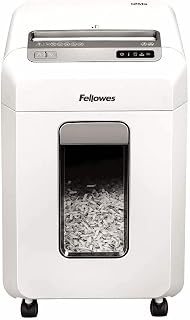


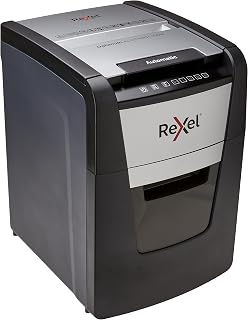


Choosing between paper shredders and paper cutters is less about finding the product with the longest feature list and more about matching the machine to the type, volume and sensitivity of the material you handle. A compact home-office shredder can be entirely adequate for occasional paperwork, while a busy workplace may need a higher-capacity model designed for sustained use. Paper cutters require a similar approach: a small rotary trimmer can be convenient for photographs and crafts, whereas a guillotine-style cutter is better suited to repeated cutting of larger stacks when accuracy and consistency matter.
For Australian buyers, the shortlist should also take account of the intended environment, available workspace, electrical requirements, replacement consumables, safety features and the manufacturer's published specifications. Brands such as Fellowes, Rexel, GBC, HSM, Dahle and Leitz offer products across different segments, but the most suitable choice depends on the particular job rather than the brand name alone.
The sections below provide additional buying guidance for comparing shredders and paper cutters, interpreting specifications and avoiding common purchasing mistakes.
Strip-cut shredders slice documents into long, narrow strips. This design is generally straightforward and can be suitable when the primary objective is routine disposal of non-sensitive paper. Strip-cut machines can also be useful where a large amount of material needs to be processed and the security requirement is relatively modest.
The main limitation is information reconstruction. Long strips can potentially expose more continuous text than smaller cross-cut particles, so strip-cut shredding is usually less appropriate for documents containing identity information, financial details, passwords, confidential business information or other sensitive records.
Cross-cut models cut paper in two directions, producing substantially smaller pieces than traditional strip-cut machines. This makes them a common choice for home offices, businesses and users who want stronger protection when disposing of personal or confidential paperwork.
When comparing cross-cut models, look beyond the basic label. Cutting capacity, sheet capacity, bin volume, duty cycle, noise, reverse functionality and accepted materials can vary significantly between machines.
Micro-cut shredders reduce documents into very small particles and are designed for users who place a higher priority on information security. They can be particularly appropriate for sensitive financial, personal, legal, medical or business documentation.
The trade-off is that the smaller cutting process can affect throughput and operating requirements. A micro-cut model should therefore be selected according to the actual workload rather than simply choosing the smallest cut available.
Office-oriented shredders are designed around higher workloads, larger waste containers and more demanding operating schedules. Some models include features intended to reduce interruptions, such as automatic feeding, larger paper capacities, continuous or extended operating periods and indicators that help users manage the machine.
For a workplace, the manufacturer's stated operating cycle is particularly important. A machine that performs well for a few minutes at a time may be unsuitable for a department that needs to process several stacks of paperwork consecutively.
Shredder security classifications are useful because they provide a more meaningful way to compare particle size than marketing terms alone. Standards such as DIN 66399 classify requirements according to protection classes and material types, including paper.
For ordinary household paperwork, a very high security level may not always be necessary. However, documents containing bank information, identification details, tax records, customer information, employee records or confidential business material deserve a more cautious approach.
When evaluating a shredder, check the manufacturer's published security classification rather than assuming that every cross-cut or micro-cut machine offers the same level of protection.
Sheet capacity describes how many sheets a manufacturer says the shredder can process at once under specified conditions. A higher number can reduce the need to divide documents into smaller batches, but it should not be the only purchasing criterion.
Actual performance can depend on paper thickness, humidity, staples, operating temperature and whether the machine is already warm from extended use. Buyers should therefore treat the published sheet figure as a specification rather than a guarantee of identical performance in every situation.
A larger waste bin means fewer emptying cycles. This is particularly useful in offices where multiple people may use the shredder throughout the day. A compact bin may be preferable for a small home workspace because it reduces the overall footprint.
Consider the physical shape of the bin as well as its nominal capacity. A tall, narrow machine may fit into a restricted office area more easily than a wider model, while a larger floor-standing unit can make sense where substantial volumes of shredded material are generated.
Duty cycle is one of the most important specifications for anyone expecting to shred regularly. It indicates how long the machine can operate before it needs a cooling period, according to the manufacturer's stated operating conditions.
Occasional home users may have little reason to prioritise an exceptionally long duty cycle. For shared workplaces, however, choosing a machine with an operating profile suited to the expected workload can prevent frustrating pauses and unnecessary overheating.
Noise matters when a shredder will be used beside desks, in a home study or in an open-plan office. If the manufacturer publishes a decibel figure, use it as one comparison point, while remembering that published measurements may be made under particular testing conditions.
For a shared environment, automatic operation and shorter processing sessions can also influence how disruptive the machine feels in everyday use.
Paper jams are a practical consideration with almost every shredder. A clearly accessible reverse function can help users remove material when too many sheets have been inserted or when paper enters the cutting mechanism incorrectly.
Automatic jam detection, overload protection and visual indicators can make operation easier, particularly for shared office equipment where different users may not be familiar with the machine.
An automatic start function allows the shredder to begin cutting when paper is detected. Automatic stop can help prevent unnecessary operation after the material has passed through the cutters.
These features are convenient, but they should be considered alongside more important factors such as security level, capacity and duty cycle.
Safety should be considered before convenience. A shredder can contain powerful cutting mechanisms, so buyers should examine the manufacturer's stated safety features and operating instructions before purchase.
Never place fingers, loose clothing, jewellery or other unsuitable objects near the cutting opening. Follow the manufacturer's instructions for paper clips, staples, plastic cards, CDs and other materials because acceptance varies by model.
Some shredders are designed to process additional materials such as staples, paper clips, plastic cards or optical media. Others are intended primarily for paper. This distinction matters because forcing unsuitable material into the cutting mechanism can increase the risk of jams or damage.
Always check the exact model specification before inserting anything other than ordinary paper. A machine described as capable of handling staples should not automatically be assumed to accept every type of fastener or mixed material.
Rotary trimmers use a moving blade that travels along a guide or rail. They are often useful for photographs, documents, cards, crafts and projects where a controlled, straight cut is required.
The guide can make it easier to align material precisely, while the enclosed or guarded blade design found on many models can provide a different safety profile from an exposed guillotine blade.
Guillotine cutters use a hinged blade to cut through paper stacks. They can be efficient for repeated straight cuts and are often selected when users need to process multiple sheets together.
The key specifications include cutting length, maximum sheet capacity, base dimensions, blade construction, alignment guides and safety mechanisms. A larger cutting capacity can be useful, but it also makes correct handling and blade safety more important.
Stack cutters are intended for users who need to cut comparatively large quantities of paper consistently. These machines are more specialised than typical home-office trimmers and should be selected according to the manufacturer's specified maximum stack height and material requirements.
Cutting length determines the maximum width or dimension of material that can be processed in one pass. Before buying, measure the largest document, sheet, photograph or craft material you expect to cut rather than choosing based only on a generic paper-size label.
The stated sheet capacity should be treated as a maximum under specified conditions. Thicker paper, cardstock, laminated material and other specialty media may have different limits from ordinary office paper.
If consistent cutting accuracy is more important than maximum throughput, it can be preferable to work with smaller stacks than the advertised maximum.
Blade durability affects long-term usability and maintenance. Some cutters use hardened steel or other specialised blade constructions, while replacement systems vary by product.
Do not judge a cutter solely by the word “steel” in its specification. Look for information about blade replacement, sharpening requirements, manufacturer-approved accessories and the materials the blade is intended to cut.
Clear measurement markings can make a major difference when trimming photographs, invitations, documents and craft projects. Check whether the base includes useful paper-size markings and whether the guide remains visible when material is positioned for cutting.
A paper clamp or hold-down mechanism can help keep a stack in position during cutting. Alignment guides are particularly valuable when repeatable dimensions matter.
For professional-looking results, stability and alignment are often more important than simply having the highest advertised sheet capacity.
These products perform completely different jobs. A shredder is designed to destroy information so that documents can be discarded with reduced risk of readable reconstruction. A paper cutter is designed to produce accurate, usable pieces of paper or other compatible media.
For a typical home office, compact dimensions, ease of emptying and sufficient security are often more valuable than extreme industrial capacity. A cross-cut shredder can provide a practical balance for documents containing personal information, while a compact rotary trimmer may be appropriate for occasional document and photo work.
Consider where the equipment will live before purchasing. Measure the available floor or desk space and allow enough clearance to remove the waste bin, open the shredder for maintenance or safely operate the cutter.
A workplace introduces additional considerations because several people may use the same equipment. A shredder should be selected according to expected daily workload rather than the amount of paper produced by one person.
Useful considerations include a larger waste container, appropriate duty cycle, jam handling, overload protection, straightforward controls and a security level consistent with the documents being destroyed.
For paper cutting, repeated jobs justify paying closer attention to alignment, cutting capacity, blade replacement and workspace stability. A professional-looking result depends on consistent positioning as much as the sharpness of the blade.
Australian buyers should check the complete product specification supplied for the Australian market rather than relying on specifications copied from an overseas listing. Electrical requirements, included accessories, model numbers and packaging can differ between markets.
Before purchasing through an online retailer or marketplace, compare the exact model number and confirm that the listing describes the same variant you are researching. This is especially important when a product has similar names across several generations.
It is also sensible to check the manufacturer's Australian documentation where available, particularly for electrical equipment. Keep the product manual and model information because they can be useful when ordering replacement consumables or checking maintenance requirements.
Brand reputation can help narrow a shortlist, but it should not replace specification-level comparison. Fellowes, Rexel, GBC, HSM, Dahle and Leitz are examples of established names buyers may encounter when researching document handling equipment.
Compare competing products at the same intended performance level. A premium model with a larger bin and longer operating cycle should not be judged against a basic compact machine solely on purchase price.
A large sheet-capacity figure can look attractive, but it says little about security, duty cycle, bin size or long-term suitability. A machine that accepts many sheets but requires frequent cooling may be a poor match for a busy office.
Micro-cut shredding can be useful for sensitive records, but the smallest particle size is not automatically the right choice for every user. Match security to the sensitivity of the documents and the amount of paper you expect to process.
Check the machine's width, depth and height before ordering. Remember that the required operating space can be greater than the product's static dimensions.
Material compatibility is model-specific. Always check the manufacturer's instructions before feeding staples, clips, cards, laminated documents or other non-standard materials.
Cutting equipment is mechanical equipment. Consumables, lubrication requirements and cleaning procedures can affect ownership convenience. Check what the manufacturer recommends before committing to a model.
A cutter that is adequate for A4 paperwork may not be suitable for larger sheets, photographs or specialist projects. Identify the largest material you will routinely process first.
Maximum capacity is not the same as precision. If alignment and clean edges are important, examine the cutting guide, clamp, base markings and blade design rather than focusing exclusively on the number of sheets.
An exposed cutting blade requires careful handling and secure storage. For households, schools or shared workspaces, safety features should be part of the initial comparison rather than an afterthought.
Good maintenance can help keep a shredder operating consistently. Follow the manufacturer's maintenance schedule because lubrication methods and approved products differ between models.
Keep the cutting surface clean and free of paper debris. Check the manufacturer's guidance for blade maintenance, sharpening or replacement. A blade that is becoming difficult to use should not be forced through material beyond the cutter's specification.
Keep measurement guides clean and ensure that clamps and alignment components remain secure. Store guillotine-style cutters in a safe position and use any supplied blade-locking or protective mechanism when the equipment is not in operation.
Customer reviews can reveal practical details that specifications do not always communicate, but they should be interpreted carefully. Look for repeated comments rather than relying on a single enthusiastic or negative review.
Reviews should complement, not replace, manufacturer specifications. If a review conflicts with a published technical specification, investigate the exact model and variant before drawing a conclusion.
Prioritise compact dimensions, straightforward operation, an appropriate security level and easy waste-bin access. There is little benefit in paying for heavy-duty capacity that will rarely be used.
Prioritise the appropriate DIN security classification, reliable feeding, jam handling and a cutting method designed for the sensitivity of the information involved. Micro-cut technology may be worth considering when a higher level of document destruction is required.
Prioritise duty cycle, bin capacity, sheet handling, thermal protection, ease of use and serviceability. Shared equipment should be simple enough that different users can operate it correctly without extensive instruction.
For trimming photographs, paper crafts and small-format projects, look closely at measurement markings, cutting accuracy, blade protection and the ability to position material precisely.
A guillotine or stack cutter may be more appropriate when multiple sheets need to be cut to identical dimensions. Confirm the maximum stack thickness for the exact paper type rather than assuming the advertised maximum applies to every material.
Paying more can make sense when the additional cost corresponds to a feature you will use frequently. Examples include a substantially larger waste bin, a longer duty cycle, improved safety controls, more convenient feeding, stronger construction or more precise cutting and alignment.
Higher cost is less compelling when the additional specifications exceed your actual needs. For an occasional home user, a compact model that meets the required security and capacity requirements may be more practical than a large commercial machine.
A budget product can be appropriate when usage is light and the required workload is modest. The important point is to avoid compromising on the fundamental requirements of the task.
For a shredder, that means choosing a suitable security level and capacity. For a paper cutter, it means ensuring that the cutting length, material compatibility, safety design and precision meet the intended application.
When comparing a top-ten selection, start by removing products that fail an essential requirement. For example, eliminate a shredder that does not provide the required security level or a paper cutter that cannot accommodate the paper size you regularly use.
Next, compare the remaining products on workload, convenience, construction, safety, dimensions and maintenance. Finally, compare current customer feedback and retailer information to identify practical differences between otherwise similar models.
This approach is more reliable than selecting the product with the highest rating or the most specifications because it focuses on suitability rather than popularity alone.
There is no single best model for every Australian household. The right choice depends on document sensitivity, shredding frequency, required capacity, available space and budget. For personal documents, a suitable cross-cut or micro-cut model is generally more appropriate than selecting a machine solely because it has a high sheet-capacity figure.
Micro-cut provides smaller particles and can be preferable for highly sensitive information, while cross-cut models can offer a practical balance between security and everyday usability. The correct choice depends on the sensitivity of the documents and the workload.
Follow the exact maintenance instructions supplied with the shredder. Lubrication requirements vary by cutting mechanism and manufacturer, so there is no universal interval that applies to every model.
Only if the specific shredder is designed and rated for that material. Check the manufacturer's material-compatibility information before inserting any card or plastic item.
Shredders should be treated as cutting machinery and kept away from children unless the manufacturer specifically provides suitable safety controls and the machine is being used under appropriate supervision. Never allow children to place material into the feed opening.
A rotary trimmer uses a travelling blade along a guide and is often useful for controlled precision trimming. A guillotine uses a hinged blade and can be better suited to repeated cuts through stacks, provided the material remains within the manufacturer's capacity.
Choose a cutter based on the largest sheet you expect to process and the thickness of the stacks you normally cut. Measure your actual materials before buying and check the manufacturer's stated cutting dimensions.
Price alone does not determine accuracy. Construction quality, blade condition, alignment guides, clamps, base stability and the user's technique all influence the final result. Compare these features rather than assuming that the most expensive product is automatically the most precise.
A larger bin is useful when the shredder is used frequently or by several people because it reduces emptying interruptions. Occasional users may prefer a smaller machine that takes up less space.
Compare the exact model specifications for security level, sheet capacity, duty cycle, bin volume, noise, accepted materials, dimensions, safety features and maintenance requirements. Then consider current customer feedback and the suitability of each model for your workload.
No. Product ranges, model numbers, specifications, retailer listings and availability can change. For an August 2026 purchase decision, check the current listing and manufacturer information for the exact model before ordering.
The strongest buying decision is not necessarily the product with the most features. It is the model that matches the job, workload and environment without paying for capabilities you will not use.
For shredders, concentrate on security classification, workload, duty cycle, feeding capacity, waste-bin size, safety and maintenance. For paper cutters, focus on cutting dimensions, sheet capacity, blade construction, alignment, stability and safe operation. Once those requirements are established, brand, customer feedback and current pricing become useful final comparison factors.
Australian shoppers should verify the exact model, specifications and current retailer information before purchasing because product configurations and availability can change. Comparing several suitable options side by side is usually more informative than choosing from a ranking based on one feature alone.