

♥ Wishlist
Compare 50 verified Portable Sound and Vision products in Australia. Reviews, ratings, pros, cons and buying advice updated for October 2026.


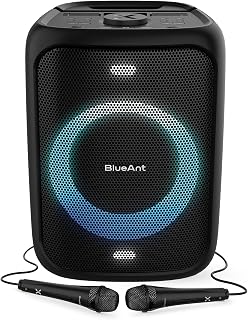


Choosing portable sound and vision equipment is less straightforward than comparing a single specification such as speaker wattage, battery capacity or screen size. The best choice depends on where the product will be used, how often it will be transported, whether mains power is available, the type of content you watch or listen to, and which features matter most in everyday Australian conditions.
A portable audio product may be ideal for a backyard gathering but unsuitable for travel if it is bulky or has limited battery life. Likewise, a compact projector may be convenient for camping or occasional movie nights but may not provide the brightness, contrast or built-in audio needed for a permanent home entertainment setup. A good buying decision therefore starts by matching the product's design and specifications to the intended use rather than choosing solely on brand reputation or headline features.
This guide expands the key considerations for comparing portable sound and vision products in Australia, including speakers, headphones, portable projectors, compact displays and related entertainment equipment. Brands such as Sony, JBL, Bose, Sennheiser, Anker Soundcore and Ultimate Ears offer products across different parts of the portable entertainment market, but specifications should always be checked for the individual model before purchase.
The term covers a broad group of equipment designed to deliver audio, video or both without requiring a conventional fixed entertainment installation. Depending on the intended use, a shortlist can include portable Bluetooth speakers, wireless headphones, earbuds, compact sound systems, portable projectors, mini projectors, portable displays and other battery-powered entertainment devices.
These products can serve very different purposes. A small Bluetooth speaker prioritises portability and simple wireless playback, while a larger battery-powered speaker may prioritise volume and bass. Noise-cancelling headphones focus on personal listening, whereas a portable projector is primarily concerned with image size, brightness, connectivity and placement flexibility.
Sound quality should be assessed as a complete system rather than by one specification. Frequency response, enclosure design, driver configuration, digital signal processing and tuning all influence how a speaker sounds. A product that produces strong bass may be enjoyable for electronic music or parties, while a more balanced speaker can be preferable for vocals, podcasts, acoustic recordings and general-purpose listening.
When comparing models, consider whether you prefer a warm, bass-heavy presentation or a more neutral sound. Some manufacturers provide companion applications with equaliser controls, allowing users to adjust the tonal balance. This can be useful when a speaker needs to work across different environments.
Maximum loudness becomes more important outdoors because there are fewer walls and surfaces to reinforce the perceived sound. However, a high maximum volume does not automatically mean better sound quality. Listen for distortion at higher levels where possible, and consider whether the speaker maintains clarity when the volume approaches its upper range.
For outdoor gatherings, also consider speaker dispersion. A product designed to spread sound broadly may be more practical when several people are positioned around the speaker, whereas a directional design can work well when listeners are seated in front of it.
Battery capacity and advertised playback time should be interpreted carefully. Actual runtime can vary according to volume, wireless connectivity, lighting effects, equaliser settings and other features. A speaker that offers a long stated runtime at moderate volume may provide less operating time when used loudly outdoors.
For regular travel, look beyond the headline battery figure. USB-C charging can simplify charging because the same type of cable and power adapter may already be used for phones, tablets and other devices. Some larger speakers can also provide power to another device, although this feature should be confirmed for the specific model.
For Australian outdoor use, an appropriate ingress protection rating can be valuable. IP ratings describe protection against solids and water under defined testing conditions. They should not be interpreted as a general guarantee that a device can be submerged, exposed to salt water or left outdoors indefinitely.
A splash-resistant design can be useful around a pool or during light rain, while a higher level of protection may make more sense for beach trips, camping or frequent outdoor use. Salt, sand, sunscreen and moisture can still affect equipment even when the product has an appropriate IP rating, so basic care remains important.
Bluetooth is central to many portable audio products, but not every Bluetooth implementation provides the same experience. The supported Bluetooth version, codecs, connection stability, multipoint functionality and companion-app features can all influence usability.
For everyday phone and tablet use, compatibility with the source device is generally more important than simply choosing the newest Bluetooth version. Advanced codecs may offer advantages with compatible devices, but a codec feature is only useful when both the source and receiving product support it in the relevant operating mode.
Form factor has a major effect on comfort, isolation and portability. Over-ear headphones generally provide larger earcups and can offer substantial passive isolation, while on-ear designs can be lighter and more compact. Earbuds are usually the easiest option to carry but rely heavily on ear-tip fit and individual ear shape.
For long flights or extended listening sessions, comfort may be more important than a small difference in sound specifications. Consider headband pressure, earcup depth, clamping force, ear-tip options and overall weight before choosing a model.
Active noise cancellation uses microphones and electronic processing to reduce certain types of external sound. It can be particularly useful for aircraft cabins, public transport, offices and other environments with relatively continuous background noise.
Noise cancellation is not the same as complete sound isolation. Voices, sudden noises and high-frequency sounds may still be audible, and performance can vary considerably between products. Transparency or ambient modes can also be useful when you need to hear announcements or your surroundings without removing the headphones.
If headphones or earbuds will also be used for work calls, video meetings or phone conversations, microphone performance deserves separate consideration. A product can sound excellent through its speakers while providing mediocre voice pickup in a noisy environment.
Look for information about microphone arrays, background-noise reduction and voice-processing features, but avoid assuming that a larger number of microphones automatically produces better call quality. Real-world performance depends on the complete microphone and signal-processing system.
Resolution determines the number of pixels used to create the projected image. A higher native resolution can provide a sharper picture, especially when displaying text, detailed graphics or high-definition video.
Be careful when comparing projector listings because a device may advertise compatibility with a particular video resolution without having a native panel at that resolution. Native resolution is the more meaningful specification when comparing image sharpness.
Brightness is one of the most important considerations for portable projectors. A projector that performs well in a dark bedroom may struggle in a bright living room or outdoors before sunset. Ambient light can substantially reduce perceived contrast and image visibility.
For portable use, think about the environments in which the projector will actually operate. If most viewing takes place after dark with controlled lighting, the requirements are different from those of a daytime presentation or outdoor movie session.
Before purchasing a projector, measure the available distance between the proposed projector position and the screen or wall. Throw ratio determines how large an image can be produced from a particular distance.
Short-throw and ultra-short-throw designs can produce large images from relatively close positions, while conventional portable projectors may require more distance. A large advertised maximum screen size is therefore less useful if the room cannot provide the necessary projection distance.
Automatic keystone correction can make portable projectors easier to set up when the device cannot be positioned perfectly perpendicular to the screen. Autofocus can also save time when moving the projector between rooms.
Convenience features should not replace good placement. Excessive digital correction can alter the usable image area, and optical alignment remains preferable when the installation allows it.
Connectivity determines whether a projector will work smoothly with your existing entertainment equipment. Check for HDMI, USB, wireless connectivity and any supported media playback options that are relevant to your setup.
Portable projectors often include built-in speakers because portability is a central part of their design. However, small integrated speakers have physical limitations, particularly when reproducing deep bass or filling a large outdoor area.
If cinematic sound is important, check whether the projector provides a suitable audio output or wireless audio capability. An external Bluetooth speaker can be convenient for casual viewing, while a dedicated wired audio connection may be preferable when low latency and connection stability are priorities.
Battery-powered equipment is attractive for camping, caravanning, outdoor gatherings and travel because it reduces dependence on fixed power. However, the battery should be considered alongside the total power requirements of the setup.
For example, a projector may have its own internal battery while the streaming device, speaker or other accessories require separate power. Before travelling, calculate how each component will be charged and whether your power bank, vehicle outlet or campsite electrical supply can support the complete setup.
When purchasing imported or internationally marketed electronics, confirm that the product is suitable for Australian electrical conditions. Australia uses a nominal 230V supply at 50Hz, with local plug and electrical requirements that may differ from those in other markets.
Battery-powered USB devices can be relatively straightforward because charging is often handled through a suitable USB power source, but products that connect directly to mains electricity require more careful checking. Always verify the manufacturer's specifications and the supplied power adapter before using electrical equipment in Australia.
Wireless equipment sold for the Australian market may be subject to local regulatory requirements. When comparing imported products, check that the particular model and Australian version are appropriate for local use rather than assuming that a product sold overseas has identical specifications or regulatory status.
Australia's varied climate makes environmental durability particularly relevant. Products used in coastal areas may encounter salt and humidity, while equipment used inland can be exposed to dust and high temperatures. A rugged enclosure can help, but it does not eliminate the need for sensible storage and cleaning.
Avoid leaving portable electronics exposed to prolonged direct sunlight or extreme heat, particularly inside vehicles. High temperatures can affect batteries and electronic components even when a product is marketed for outdoor use.
For home and backyard use, prioritise sound quality, volume control, wireless stability and battery life. A medium-sized speaker may provide a better balance than an ultra-compact model when portability is not the only priority.
Water and dust resistance becomes especially important around pools and beaches. Look for an appropriate IP rating, a robust exterior and controls that remain practical when the speaker is being handled outdoors.
Remember that water resistance does not make a product immune to sand, salt or chemical exposure. Rinse and clean equipment only according to the manufacturer's care instructions.
Frequent travellers should prioritise weight, physical dimensions, battery life, charging convenience and noise management. Headphones with effective noise cancellation can be particularly useful for flights, while compact speakers are better suited to hotel rooms, accommodation and casual outdoor use.
Camping equipment should be selected around the available power infrastructure. Battery life, USB-C charging, ruggedness and offline functionality can matter more than smart-home features that require continuous internet access.
For outdoor projection, image brightness, throw distance, power availability and audio output should be evaluated together. A projector may produce an impressive image after dark but still require an external speaker and suitable screen or projection surface.
Portable equipment needs to survive more handling than stationary home electronics. Look at the enclosure materials, protective grilles, hinges, charging-port covers, buttons and exposed connectors.
Rubberised edges can help protect against minor knocks, while fabric-covered speaker exteriors can offer a different balance of appearance and protection. For headphones, folding hinges and swivel mechanisms deserve attention because these are areas that experience repeated movement.
Build quality should also be considered alongside weight. A very rugged product may be heavier than a minimalist travel model. Neither approach is inherently better; the right choice depends on how frequently the equipment will be carried and the environments in which it will be used.
Good portable equipment should be easy to operate without constantly consulting an app. Physical buttons for power, volume, playback and Bluetooth pairing can be useful outdoors, particularly when a phone is stored away.
Check whether important settings are accessible from the hardware itself. App-only controls can become inconvenient if the application is unavailable, the phone is not nearby or connectivity is interrupted.
Also consider indicator lights and audible prompts. Bright status lights may be distracting in a dark bedroom, while subtle indicators can be difficult to see outdoors. These small usability details can have a significant effect on everyday satisfaction.
Some portable entertainment products include voice assistants, multi-room integration, automated setup, companion applications and cloud-connected services. These features can be useful when they match the way you use the product, but they should not automatically outweigh core performance.
Specifications such as high-resolution audio support, codec compatibility and advanced processing can be useful, but they should be interpreted in context. The source device, software, connection method and headphones or speaker must all support the relevant technology for its benefits to be realised.
For many buyers, comfort, tuning, battery performance and reliable connectivity will have a greater practical effect than a single high-resolution specification. Treat technical features as part of the overall evaluation rather than as automatic proof of superior sound.
When two products have similar prices and broadly comparable specifications, use a structured comparison rather than relying on a single headline feature.
Customer reviews can reveal practical information that specification sheets do not always communicate, but they should be evaluated critically. Look for repeated comments rather than relying on one unusually positive or negative review.
For speakers, recurring feedback about distortion, battery performance, charging reliability and Bluetooth stability can be useful. For headphones, look for patterns involving comfort, microphone performance, noise cancellation and connection behaviour. For projectors, pay attention to reports about focus consistency, brightness expectations, fan noise and setup.
Review dates can also matter for software-dependent products. Firmware, companion applications and streaming support can change, so recent feedback may be more relevant when assessing connected features.
Sony has a broad portable entertainment portfolio, making it a brand worth considering when comparing headphones, earbuds and portable speakers. The important step is to compare the specifications and intended use of the individual model rather than assuming every product in a brand's range is designed for the same purpose.
JBL is widely associated with portable speakers and wireless audio. When considering JBL products, compare physical size, battery claims, water resistance, connectivity and sound-related features across the specific models under consideration.
Bose is particularly relevant for buyers comparing headphones and personal audio equipment. Comfort, noise cancellation, microphone performance, battery life and control options are useful areas to evaluate alongside audio characteristics.
Sennheiser is another established audio brand to consider when comparing headphones and personal listening equipment. Buyers should assess the exact model's fit, connectivity, battery performance and feature set rather than making a decision solely from brand familiarity.
Anker Soundcore offers a range of portable audio products across different price and feature categories. When comparing models, examine the practical differences in drivers, battery capacity, app controls, water resistance and connectivity.
Ultimate Ears is another brand worth including when comparing portable Bluetooth speakers. Consider portability, durability, wireless functionality, battery performance and the expected listening environment when evaluating individual products.
Budget-conscious buyers should concentrate on the features that cannot easily be added later. For a speaker, that may mean acceptable sound quality, reliable Bluetooth and sufficient battery life. For a projector, native image quality, practical brightness and essential connectivity are usually more important than premium smart features.
Mid-range products can offer a useful balance between performance and portability. This is the segment where it is particularly important to compare specifications carefully because seemingly similar products can differ substantially in battery capacity, connectivity, durability and software features.
Premium pricing should ideally provide meaningful benefits such as improved construction, better noise management, more sophisticated audio processing, stronger connectivity, improved display performance or a more refined user experience. Do not assume that a higher price automatically provides better value for your particular use case.
Dust, sand, fingerprints, sunscreen and moisture can accumulate on portable devices. Clean products according to the manufacturer's instructions and avoid forcing moisture into charging ports, speaker grilles, microphones or ventilation openings.
Lithium-ion batteries naturally lose capacity over time. Excessive heat can accelerate battery degradation, so avoid leaving battery-powered equipment in hot vehicles or exposed to prolonged direct sunlight. Use appropriate charging equipment and follow the manufacturer's charging guidance.
When equipment is not being used for an extended period, store it somewhere dry and reasonably cool. Protect projectors and displays from dust, while speakers and headphones should be protected from unnecessary pressure or impact during transport.
Outdoor use can expose devices to sand, salt and moisture even when they have some degree of environmental protection. Keep charging ports covered when applicable and remove visible debris carefully. Do not assume that an IP rating eliminates the need for cleaning and proper storage.
A simple portable entertainment setup can consist of a smartphone and Bluetooth speaker. A more capable travel setup might combine a laptop, headphones and compact speaker. For outdoor movie viewing, a portable projector can be paired with a suitable screen or flat projection surface and a dedicated wireless or wired speaker.
For caravanning and camping, consider the entire system rather than purchasing each component independently. A projector, streaming device, speaker and charging equipment can quickly create more weight and power demand than expected. Compact equipment that shares charging standards can make the overall setup easier to transport.
The most important specifications vary according to the product category. For portable speakers, focus on sound performance, battery life, durability and connectivity. For headphones, prioritise comfort, sound quality, noise cancellation, microphone performance and battery life. For projectors, focus on native resolution, brightness, throw distance, focus, keystone correction, connectivity and power requirements.
Rather than creating a universal specification hierarchy, make a shortlist of the three or four characteristics that directly affect your intended use. This prevents less important marketing features from dominating the purchasing decision.
Portability provides flexibility but usually involves compromises. A portable speaker may sacrifice enclosure volume for easier transport. A compact projector may trade brightness or lens flexibility for battery operation and a smaller chassis. Wireless headphones may prioritise convenience over the connection options available from larger wired audio equipment.
If the product will remain in one room almost all the time, a fixed or larger system may provide better performance for the money. If the equipment needs to move between rooms, travel with you or operate away from mains power, portability can justify accepting some compromises.
Start by eliminating products that fail a non-negotiable requirement. If a speaker lacks sufficient water resistance for your intended environment, there is little value in comparing its sound profile with otherwise suitable alternatives. If a projector cannot produce a sufficiently visible image in your room, additional smart features will not solve the fundamental problem.
After removing unsuitable options, compare the remaining products across performance, portability, durability, connectivity and ownership convenience. Then check current specifications and recent customer feedback before making a final decision.
For Australian shoppers, it is also sensible to confirm the exact model number, Australian configuration, supplied accessories, power requirements and applicable retailer terms before ordering. Product names can be similar across generations, so comparing model numbers can prevent accidental purchases of a different variant.
The lowest initial price is not always the lowest-cost option over the useful life of a product. Consider whether the device requires additional accessories, proprietary charging equipment, external speakers, replacement components or other purchases to perform the way you expect.
Conversely, paying substantially more for features you will never use can also reduce value. The best-value product is generally the one that satisfies the important requirements without unnecessary extras.
There is no single best portable audio product for every Australian buyer. A compact Bluetooth speaker can be suitable for travel and casual listening, while a larger battery-powered speaker may be more appropriate for outdoor gatherings. Headphones or earbuds can be a better choice when private listening, commuting or travel is the priority.
Focus on sound quality, battery life, maximum usable volume, Bluetooth stability, physical size, durability and the appropriate IP rating for your environment. Also consider whether you need multipoint connectivity, stereo pairing, app-based equalisation or USB-C charging.
They can be useful for outdoor movie sessions, particularly after dark, but the result depends heavily on brightness, projection distance, screen quality, power availability and ambient light. Built-in projector speakers may also be insufficient for larger groups, making an external audio solution useful.
Higher native resolution can provide a sharper image, but it is not the only factor. Brightness, contrast, lens quality, focus, screen surface, viewing distance and ambient light all influence perceived image quality.
No. An IP rating describes specific protection levels under defined testing conditions. It does not mean the product can safely tolerate every form of water exposure, prolonged immersion, salt water, chemicals or physical damage to seals and ports.
Battery life is particularly important when the product will be used while travelling, camping or outdoors. Compare the manufacturer's stated runtime with your expected volume and usage pattern, and consider charging time and charging compatibility as well.
Brand reputation can help create a shortlist, but the best choice depends on the individual model. Compare the exact product's specifications, comfort, durability, battery performance, connectivity and intended use rather than selecting solely by brand.
Portability is more than weight. Consider the complete combination of dimensions, battery life, charging convenience, durability, wireless connectivity and ease of packing. A slightly heavier product may be more useful if it provides substantially better battery life or performance.
Portable electronics change frequently, with new models, revised specifications, software updates and changing retailer availability. For an August 2026 buying decision, check the current model number, specifications, customer feedback and retailer information immediately before purchasing.
The strongest buying decision comes from matching the product to the environment in which it will actually be used. Start with non-negotiable requirements such as portability, battery operation, weather resistance, native display resolution or noise cancellation. Then compare performance, connectivity, build quality and convenience features.
Use customer feedback to identify recurring real-world concerns, but verify important claims against manufacturer specifications. For Australian purchases, also check the exact local model, power requirements and current retailer information. This approach makes it easier to distinguish genuinely useful features from specifications that look impressive but have little effect on your everyday experience.