

♥ Wishlist
Compare 47 verified Massagers for Relaxation and Everyday Muscle Comfort products in Australia. Reviews, ratings, pros, cons and buying advice updated for October 2026.


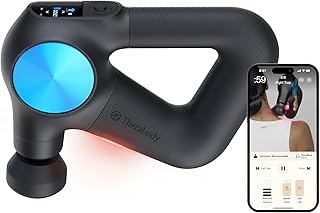


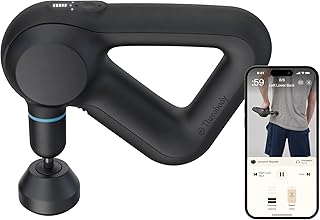


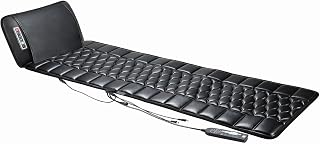


Choosing a massager is less about finding the device with the longest feature list and more about matching the design to the type of relief, body area and frequency of use you actually need. A compact handheld massager may be more useful for targeted areas, while a massage gun can suit people who want percussive treatment for larger muscle groups. A heated neck and shoulder massager can be preferable for relaxation, whereas a foot massager is designed around a very different use case.
For Australian shoppers, it is also worth considering electrical compatibility, warranty terms, replacement accessories, charging arrangements, noise, portability and the conditions attached to returns. Specifications should be compared carefully because two products can use similar marketing language while offering substantially different designs, controls and intended applications.
A well-designed massager should be comfortable to use, straightforward to control and appropriate for the body area it is intended to treat. Build quality matters because repeated pressure, vibration, heat and movement can place considerable demands on motors, hinges, straps and moving components.
The best option for one person may not be the best option for another. Someone who travels frequently may prioritise a lightweight rechargeable model, while someone using a massager at home may prefer a larger device with more coverage and adjustable settings.
Massage guns and conventional electric massagers should not be considered interchangeable. A massage gun generally delivers rapid percussive movement through an attachment, allowing the user to work on selected muscle groups. Traditional electric massagers may instead use kneading heads, rollers, vibration motors or air compression.
A massage gun can provide more precise control over where pressure is applied, but that can also make technique more important. A larger massage cushion or neck massager may provide greater convenience for relaxation because the user does not need to hold the device continuously.
When comparing these categories, look beyond the number of attachments or speed settings. Consider whether the physical shape, treatment mechanism and controls make sense for the way you expect to use the product.
Handheld massagers are designed for users who want to direct the massage themselves. Their long handles can be useful for reaching parts of the back and shoulders, although reach varies substantially between designs. Look at handle length, grip shape, weight and control placement before choosing one.
Massage guns use a percussive mechanism and commonly include interchangeable heads. Attachment shape can influence how the device feels against the body, while intensity control determines how easily the treatment can be adjusted. A heavier unit may offer a substantial motor but can also become tiring during prolonged handheld use.
These products are often shaped to sit around the neck and shoulders and may combine kneading with heat. They can be convenient for people who want a more hands-off experience. Pay attention to the fit because a device that applies pressure in the wrong position may be uncomfortable.
Foot massagers can use rollers, kneading mechanisms, vibration or air compression. Some designs focus primarily on the soles, while others extend around the sides or upper part of the foot. Check the manufacturer's stated foot-size compatibility and cleaning requirements before purchasing.
Massage cushions are designed to provide coverage across a chair or seat. They can be useful for home or office environments where portability is less important than convenience. Compare the treatment zones, attachment mechanism, seating compatibility and heat function rather than assuming every cushion provides full-back coverage.
Head and eye massagers are a specialist category. Depending on the design, they may use vibration, compression, heat or a combination of mechanisms. These products should be evaluated primarily for comfort, fit and intended use rather than by comparing their specifications directly with muscle massagers.
Massage-gun specifications can be difficult to compare because manufacturers do not always describe performance using identical measurements. A high headline number does not automatically indicate a better device.
More speed levels provide additional adjustment, but the useful question is whether the available range suits your intended use. A smaller number of well-spaced settings can be more practical than a large number of settings that feel difficult to distinguish.
Amplitude refers to the distance the massage head moves during a percussive cycle. It is one of the specifications worth examining when comparing massage guns, but it should be considered alongside motor behaviour, attachment design, intensity control and overall ergonomics.
Stall-force figures are intended to describe how much pressure can be applied before the motor stops or significantly slows. However, testing methods and manufacturer reporting can differ. Treat headline stall-force numbers as one comparison point rather than the sole measure of performance.
Attachments are useful when they serve different purposes rather than simply increasing the number printed on the product box. A softer attachment may provide a different sensation from a firmer, narrower head. Consider whether the included attachments correspond to the muscle groups you intend to work on.
Massage mechanisms produce different sensations and should be compared according to your intended use.
Comfort is one of the most overlooked buying criteria. A technically capable massager can still be a poor choice if it is difficult to position or tiring to operate.
For handheld products, consider the weight distribution rather than weight alone. A device with a motor concentrated far from the grip may feel heavier during use than its specification suggests. Handle diameter, grip material and button placement can also affect usability.
For wearable or hands-free massagers, fit is particularly important. Look at adjustable straps, contact surfaces, head positioning and the range of body sizes supported by the design.
Cordless operation can make a massager considerably easier to use, but battery specifications need context. Compare stated runtime with charging time and consider whether the device can be used while charging where applicable.
For Australian buyers, check the included charging equipment and electrical specifications rather than relying solely on the appearance of the plug. A reputable product should provide clear power information appropriate to the Australian market.
If portability matters, also consider the charging cable, travel case and storage requirements. A compact device that requires bulky accessories may be less convenient than its dimensions initially suggest.
Noise is particularly relevant for massage guns because the motor and moving mechanism can create an audible operating sound. If you intend to use a device while watching television, working or listening to music, quieter operation may be more important than maximum power.
Manufacturers may describe products as quiet without providing comparable laboratory measurements. When specifications are available, compare them carefully, but remember that perceived noise can depend on the attachment, pressure applied and surface on which the device is being used.
Look for solid construction, secure attachment points, durable controls and surfaces that can be cleaned without difficulty. Soft-touch finishes may feel premium, but the underlying construction and moving components are more important for long-term durability.
For foot massagers, consider the durability and cleanability of the foot chambers. For massage cushions, examine seams, upholstery and mounting straps. For massage guns, inspect the attachment interface and charging connection.
Brands such as Therabody, Hyperice, RENPHO, Beurer and HoMedics are examples of established names shoppers may encounter when comparing massage products. Product specifications and Australian availability can change, so compare the exact model rather than relying on the reputation of a brand alone.
Massage devices are consumer products, but they are not suitable for every person or every body area. Read the manufacturer's safety instructions before use and follow the stated limitations for the specific device.
People with significant medical conditions, circulation problems, unexplained pain, recent injuries, surgery or other health concerns should seek appropriate professional advice before using a massage device. Massage should not be treated as a substitute for diagnosis or medical treatment.
Maximum intensity is not synonymous with better performance. The most useful product is one whose pressure and treatment style can be controlled comfortably for the areas you intend to massage.
Ten intensity levels are not necessarily better than five. What matters is how useful those levels are, how easily they can be selected and whether the device remains comfortable throughout its usable range.
A powerful handheld device can become uncomfortable if it is heavy or poorly balanced. Consider how long you will realistically hold it and whether you need to reach your back without assistance.
A large attachment bundle can look attractive, but unused accessories add little value. Match the attachments to your intended body areas and check whether replacements are available if an important accessory is lost or damaged.
Heat is a preference and a feature, not a universal upgrade. Some shoppers specifically want warmth, while others prefer a non-heated device. If heat is included, examine temperature controls, automatic shut-off and the manufacturer's safety instructions.
Warranty length is only one part of after-sales protection. Read the actual warranty conditions, exclusions, proof-of-purchase requirements and service arrangements applicable to the Australian model.
Products that contact bare skin should be easy to maintain. Before buying, determine which surfaces can be cleaned, whether covers are removable and whether the manufacturer provides specific cleaning instructions.
The correct device depends heavily on where you intend to use it.
Customer reviews can provide useful information that specifications do not reveal, but they should be interpreted carefully. Look for repeated observations rather than relying on a single enthusiastic or negative review.
Verified customer reviews can be particularly useful when combined with the manufacturer's specifications. However, individual experiences vary, so reviews should supplement rather than replace objective comparison.
Brand recognition can be useful because established manufacturers may provide clearer documentation, accessories and support, but a familiar name does not automatically make every model the best choice.
Compare the exact model's specifications, intended use, warranty conditions, included accessories and controls. A less expensive model can be the better fit when it provides the functions you actually need, while a premium model may justify additional cost if its design, ergonomics or specialist features are important to you.
Do not compare products solely by their advertised intensity, number of modes or attachment count. Evaluate the complete ownership proposition.
Regular care can help keep a massage device clean and operating as intended. Always follow the cleaning and maintenance instructions supplied with the specific model because materials, electrical components and washable parts differ between products.
If you plan to keep a massager beside the sofa, desk or bed, dimensions and storage design can be more important than travel features. Larger foot and back massagers require dedicated space, while handheld products can often be stored in a drawer or cupboard.
For travel, examine the complete packed size rather than the bare dimensions of the device. A carrying case, charging equipment and multiple attachments can significantly increase the space required.
Budget massagers can be suitable when the priority is basic functionality rather than extensive controls or premium construction. Compare essential specifications carefully and pay particular attention to warranty coverage and customer feedback about reliability.
Mid-range products often provide a balance between adjustability, build quality and accessories. This category can be attractive for shoppers who expect frequent use but do not require every premium feature.
Premium models may offer refined ergonomics, stronger construction, advanced controls, additional treatment modes or more comprehensive accessory systems. The higher price should be assessed against features you will genuinely use rather than against the size of the specification list.
Rather than selecting a massager from one headline feature, create a shortlist using several criteria. Start with the body area and massage mechanism, then remove products that do not meet your requirements for comfort, safety, power source or size.
Next, compare the remaining models by ergonomics, intensity control, noise, accessories, cleaning requirements and warranty terms. Finally, check current Australian pricing and customer feedback. This process reduces the chance of paying for features that have little practical value to you.
Australian consumers should check the exact product supplied by the retailer, particularly when listings use international model names or imported stock. Electrical specifications, plug arrangements, warranty support and included accessories can differ between regional versions.
Consumer protections may also apply independently of a manufacturer's voluntary warranty. Before making a purchase, review the retailer's current terms and the applicable Australian consumer-law information for your situation rather than assuming that every warranty or return policy is identical.
A massage gun can be a useful choice for shoppers who prefer targeted, handheld percussive massage and want to adjust the position themselves. It is particularly important to learn the manufacturer's recommended technique and avoid treating areas where the manufacturer advises against use.
A massage gun is not necessarily the right choice simply because it is popular. If your priority is sitting back while a device works around the neck, back or feet, a dedicated hands-free massager may be more convenient.
Hands-free designs can make sense for people who value convenience and relaxation. Neck wraps, massage cushions and foot massagers can be positioned while the user remains seated, depending on the model.
The trade-off is reduced positioning flexibility. A dedicated device may cover one body area very effectively but be less versatile than a handheld model.
More technology does not necessarily mean a better purchase. If you want occasional relaxation, a straightforward device with comfortable controls, suitable intensity and easy maintenance may provide better value than a premium model with numerous unused features.
Think about your expected routine before purchasing. A simple massager that you can store easily and use comfortably may deliver more practical value than a feature-rich device that is inconvenient to set up.
There is no single best massager for every Australian shopper. The right choice depends on the body area, massage mechanism, preferred intensity, portability, budget and whether you want handheld or hands-free operation. Compare the exact specifications and intended use of shortlisted products before buying.
Massage guns can be worthwhile for people who want targeted percussive massage and control over positioning and intensity. They are less suitable if your priority is completely hands-free relaxation. Their value depends on whether their operating style matches your intended use.
Consider intensity adjustment, amplitude, motor performance, weight, grip design, attachment quality, battery arrangements, noise, charging and warranty support. Do not select a model solely because it advertises the highest number of speeds or attachments.
Not necessarily. Heat is a preference and may be useful for people who enjoy warmth during massage, but it is not essential to every type of massage. If you choose a heated model, check its temperature controls, safety features and manufacturer's instructions.
Foot-specific massagers are generally the most appropriate when foot coverage is the main priority. Compare roller placement, kneading action, compression, heat, foot-size compatibility and cleaning requirements.
Neck and shoulder massagers can be convenient because their shape is designed for that area. Handheld models provide greater control over positioning. Compare fit, pressure, heat settings, controls and weight before choosing between them.
Follow the manufacturer's recommended duration and frequency for the specific product. More frequent or more intense use is not automatically better. Stop using a device if it causes significant pain, unusual discomfort or other concerning symptoms.
Usage guidance varies by device and body area. Follow the manufacturer's instructions and use appropriate intensity and duration. Avoid areas where the manufacturer specifically advises against percussive massage.
A higher price can reflect differences in construction, ergonomics, motor design, controls, accessories or brand support, but price alone does not establish that a product is better for your needs. Compare the features that matter to your intended use.
Both matter, but comfort should not be sacrificed simply to obtain higher advertised power. A massager that you can position easily and use at an appropriate intensity is often more practical than one that is difficult to control.
Ratings can be useful, but they are most informative when you examine the written feedback and look for recurring patterns. Compare customer comments with the manufacturer's specifications and intended-use information.
Check the exact model number, specifications, dimensions, weight, included accessories, electrical requirements, warranty conditions, return terms, safety instructions and current customer feedback. Also confirm that the listing corresponds to the Australian version you intend to purchase.
The best massager in Australia is the one that fits your intended body area, preferred massage style, comfort level and everyday routine. A massage gun can be a strong option for targeted percussive treatment, while foot, neck, shoulder and back massagers can provide greater convenience when you want a more specialised or hands-free experience.
Before choosing from a top-10 list, compare the exact models on practical factors including massage mechanism, intensity control, ergonomics, noise, heat, battery or mains operation, accessories, cleaning, warranty and current Australian pricing. A careful comparison of these details is more useful than choosing a product simply because it has the most features or the highest advertised power.