

♥ Wishlist
Compare 54 verified Manicure and Pedicure Products for At-Home Nail Care products in Australia. Reviews, ratings, pros, cons and buying advice updated for October 2026.


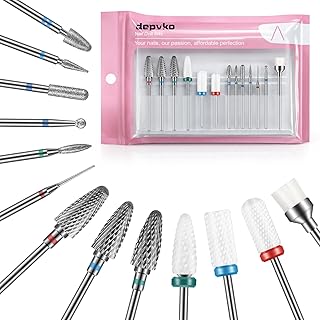
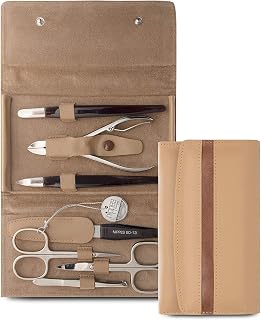


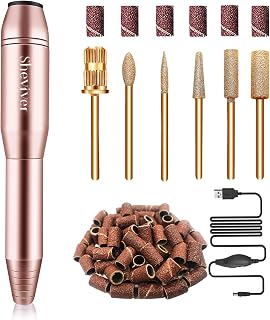



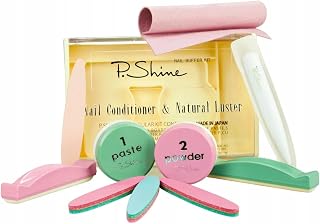


Choosing manicure and pedicure products is easier when you separate the tools you need from the features that simply sound attractive in a product listing. The right choice depends on whether you want occasional at-home grooming, regular nail maintenance, detailed nail-art work, or a more complete home salon setup. Australian shoppers should also consider product construction, hygiene, replacement parts, power requirements, included accessories, storage and the suitability of each tool for natural nails, artificial nails, hands or feet.
A good buying decision is not necessarily about purchasing the largest kit or the product with the longest accessory list. A compact set containing well-made essentials can be more useful than a large collection of tools that are difficult to clean or rarely used. Before comparing individual products, identify the jobs you expect the kit to perform and then check whether the specifications actually support those tasks.
Manicure and pedicure equipment varies considerably depending on the user. Someone maintaining natural fingernails needs a different selection from someone regularly shaping acrylic, gel or other artificial enhancements. Likewise, a basic pedicure routine may only require a nail clipper, file, buffer and foot-care tool, whereas detailed nail preparation can require precision implements and an electric nail drill.
A useful kit should contain tools that complement one another rather than simply maximising the number of pieces. The most practical combination normally covers cutting, shaping, smoothing and basic cuticle maintenance. If a product includes specialist accessories, check that they correspond to your actual routine.
Nail clippers should provide controlled cutting without requiring excessive force. Look for a cutting edge that meets cleanly, a mechanism that opens smoothly and a handle that feels secure when pressure is applied. For toenails, a larger cutter can be more comfortable because toenails are generally thicker and require greater leverage.
Precision matters more than an oversized blade. A cutter that is difficult to control can encourage users to remove too much nail at once. For routine maintenance, controlled incremental trimming is generally preferable to trying to achieve the final shape with one cut.
Scissors can be useful when you prefer greater control around the nail edge or need a tool for detailed grooming. Stainless-steel construction is commonly preferred because it is durable and easier to maintain than materials that can corrode readily.
Precision implements should have comfortable finger loops or handles and should not feel excessively loose at the pivot. When comparing scissors, pay attention to the alignment of the blades and the smoothness of the opening and closing action.
Files are among the most frequently used manicure accessories, so their surface and shape deserve careful consideration. Different abrasive grades serve different purposes. A coarser file can remove material more quickly, while a finer surface is more appropriate for finishing and smoothing.
Buffers are designed for surface refinement rather than aggressive shaping. Using an excessively abrasive surface too frequently can remove more of the natural nail surface than intended. Buyers should therefore consider whether a kit provides different grades rather than assuming that one file can perform every task.
Cuticle tools require particularly good control. A smooth, well-finished edge is preferable to a rough or poorly machined surface. Stainless-steel implements are popular because they can be cleaned more easily than many porous materials.
It is worth distinguishing between tools designed for gently pushing back the cuticle area and implements intended for cutting. A larger kit may include several similar-looking tools, but their functions are not necessarily interchangeable.
The material used in manicure and pedicure tools affects durability, cleaning and handling. Stainless steel is a common choice for clippers, scissors, cuticle tools and other precision implements because it combines strength with relatively straightforward maintenance.
Not every stainless-steel product is identical, however. Buyers should look beyond the material name and examine the construction, joints, finish and overall precision. A tool can be described as stainless steel while still having an uncomfortable handle or poorly aligned working surfaces.
One of the biggest purchasing decisions is whether to remain with manual tools or add an electric nail device. Manual tools are simple, portable and generally require little setup. Electric equipment can offer faster shaping and more control for particular applications, but it introduces additional specifications that need to be evaluated.
Electric equipment should not automatically be considered an upgrade. If you only trim and shape natural nails occasionally, a quality manual set may be the more sensible purchase. Electric equipment becomes more relevant when the additional speed, bit selection and control features will actually be used.
If an electric nail drill is part of your shortlist, compare the technical specifications rather than relying solely on the number of included bits.
Variable speed is one of the most useful features because different tasks require different levels of control. A device with a broad adjustable range gives the user more flexibility than a simple single-speed design.
Forward and reverse rotation can be useful for changing the working direction and accommodating different techniques. Buyers should check how the control is implemented and whether changing direction is straightforward.
Excessive vibration can make precision work uncomfortable and harder to control. Product descriptions may mention low vibration, but shoppers should distinguish between a manufacturer's specification and independently verified user feedback.
Motor specifications can help indicate the intended application, but a higher numerical rating does not automatically mean a better product for every user. Consider the combination of speed control, torque, stability and usability rather than evaluating one number in isolation.
A large selection of bits can look impressive, but compatibility and practical usefulness matter more. Check the bit types, intended applications, shank compatibility and ease of replacement. A kit with fewer useful bits can be a better long-term purchase than one containing numerous accessories that do not match your routine.
Feet require different tools from fingernails because toenails are generally thicker and foot skin experiences more pressure and friction. A dedicated pedicure setup can therefore include a larger nail cutter, foot file and specialised smoothing tools.
Compare the abrasive surface, handle length, cleaning requirements and intended level of use. A long handle can make it easier to reach parts of the foot without awkward positioning, while a compact file may be easier to store.
Do not assume that the most aggressive abrasive is automatically the best choice. The objective is controlled smoothing rather than unnecessarily aggressive removal. Product instructions should always be followed, especially when a tool is designed for intensive callus management.
Toenail clippers benefit from strong leverage and comfortable handles. Wide jaws can be useful for larger nails, while a compact design may offer greater precision. Buyers should also consider whether the cutting head is easy to clean.
Kit size is an easy feature to compare but a poor feature to use as the sole measure of value. A 20-piece kit is not necessarily better than a 10-piece kit if several accessories duplicate one another or are rarely useful.
Storage becomes particularly important when a manicure and pedicure kit contains numerous sharp or precision implements. A case with dedicated compartments can help prevent tools from moving around and becoming damaged.
For travel, consider overall dimensions, closure quality, weight and whether the case accommodates every accessory after use. If an electric device is included, also check its charging arrangement and electrical specifications before taking it overseas.
Australian shoppers purchasing powered manicure equipment should check the electrical specifications before buying. Pay attention to the stated input voltage, plug type, power supply and whether the product is intended for use with Australian mains electricity.
This is especially important when comparing products sourced from international marketplaces. A product that appears attractive on specifications may not be convenient to use in Australia if it requires a different power arrangement. Check the manufacturer's documentation and retailer listing rather than assuming that a USB connection or adapter makes every device suitable.
Brand recognition can make initial research easier, but it should not replace specification-by-specification comparison. Depending on the product category, shoppers may encounter established names such as Tweezerman, Revlon, Sally Hansen, Scholl, Beurer, Wahl and Zwilling.
Each brand may specialise in different areas, and product quality can vary between individual models. Compare the exact product specification, included accessories, construction, intended use and current customer feedback rather than selecting a product solely because the brand is familiar.
A simple comparison framework can prevent many impulse purchases. Create a shortlist and assess each option against the same criteria rather than comparing one product's strongest feature with another product's weakest feature.
More pieces do not necessarily mean better value. Duplicate files, multiple versions of the same implement and accessories with little practical use can increase clutter without improving your routine.
The cheapest option may not offer the best long-term value if cutting edges become difficult to use, hinges loosen or electric components do not perform consistently. Conversely, paying more does not guarantee superior quality. Compare construction and functionality at each price level.
Even technically capable tools can be frustrating when their handles are uncomfortable. Grip shape, weight distribution and control placement matter because nail grooming requires precision.
An electric drill is only as useful as the accessories and technique supporting it. Before purchasing, understand what the included bits are intended to do and whether replacement bits can be obtained when required.
Tools used repeatedly should have a clear cleaning and storage routine. A complicated design with inaccessible joints or difficult-to-clean surfaces may be less practical than a simpler tool.
Proper maintenance can help preserve the performance and condition of reusable tools. Follow the cleaning, drying, lubrication and storage instructions supplied by the manufacturer for the specific product.
Manicure and pedicure tools should be treated as personal grooming equipment rather than shared household objects. Tools that contact nails or surrounding skin should be kept clean and stored appropriately between uses.
Avoid using damaged, excessively blunt or poorly aligned tools simply because they are still technically functional. Reduced control can make grooming more difficult. Electric tools should also be used according to their instructions, with appropriate speed and accessory selection for the intended task.
Do not use nail or foot-care equipment to diagnose or treat a suspected medical condition. Persistent pain, swelling, unexplained changes to the nail, signs of infection or other concerning symptoms are reasons to seek appropriate professional medical or podiatric advice rather than attempting to resolve the issue with a grooming tool.
The appropriate equipment depends heavily on the nail surface being worked on. Natural nails generally call for controlled shaping and gentle finishing, while artificial enhancements may require different abrasives and electric equipment.
When comparing a product advertised for acrylic, gel or extension maintenance, check whether the manufacturer specifically identifies the intended applications. Do not assume that an aggressive file or high-speed electric device is appropriate for natural nails simply because it is marketed as versatile.
For occasional grooming, a carefully selected manual kit can cover most requirements without requiring a dedicated workspace. A more comprehensive home setup makes sense when nail care is a frequent activity and the additional accessories will be used regularly.
A practical home station might combine quality clippers, precision scissors, several file grades, a buffer, cuticle tools, a foot file and suitable storage. Users who regularly work with artificial nails can then consider adding an electric drill and compatible accessories.
Customer reviews can be useful, but they should be evaluated rather than counted. A high review volume does not automatically prove that a product is right for your requirements.
Prices and availability can change, so shoppers should compare current Australian listings rather than relying on an old price point. A useful way to assess value is to calculate what you are actually receiving for the total purchase cost.
For a manual kit, assess the number and quality of genuinely useful tools. For an electric product, evaluate the main device, speed control, motor behaviour, included bits, power supply and replacement options. For individual tools, durability and precision can matter more than the number of additional accessories included in the package.
Paying more can make sense when a premium product solves a specific problem. Examples include a better-balanced precision tool, a more durable cutting mechanism, improved ergonomics, a better-controlled electric motor or a storage system that is genuinely more functional.
However, premium pricing should be assessed against your frequency of use. Someone who performs a basic manicure once every few weeks may gain little from specialist equipment designed for intensive use.
A budget option can be perfectly reasonable for occasional grooming, particularly when the product contains only the essential tools you need. The key is to avoid confusing a low price with a low standard of construction.
Before purchasing, inspect the specifications, tool materials, dimensions, included accessories and customer feedback. If the product is intended for infrequent use, prioritising essential functionality can provide better value than paying for professional-level features you will not use.
There is no single best option for every Australian buyer. The right choice depends on whether you need basic nail grooming, regular manicure and pedicure maintenance, nail art or artificial-nail work. Compare construction, functionality, ergonomics, accessories and current customer feedback against your intended use.
They can be worthwhile when the kit contains several tools you would otherwise purchase individually. A kit is less attractive when many accessories are redundant or unsuitable for your routine. Compare the useful contents rather than the advertised piece count.
Stainless steel is a practical material for many reusable manicure and pedicure implements because it can offer durability and straightforward cleaning. The specific construction and quality of the tool still matter, so the material label should not be the only purchasing criterion.
Look for comfortable handling, a properly aligned cutting edge, smooth operation and a size appropriate for the nail being trimmed. Toenail clippers may benefit from greater leverage than smaller fingernail cutters.
They can be used by beginners when the product is appropriate for the intended task and the user follows the manufacturer's instructions. Adjustable speed, controllable handling and understanding the purpose of each bit are important. A manual file may be simpler for someone who only needs occasional natural-nail maintenance.
The appropriate grit depends on the task and nail material. Coarser abrasives remove material more quickly, while finer abrasives are generally used for finishing and smoothing. Follow the product guidance and avoid unnecessarily aggressive filing of natural nails.
Reusable grooming tools should be cleaned after use according to the manufacturer's instructions. Keeping tools free from debris and storing them dry is an important part of routine maintenance.
Yes, many general-purpose kits include tools that can be used for both. However, dedicated toenail cutters and foot-care tools can make pedicure work more convenient because toenails and foot skin have different requirements.
A travel-friendly set should be compact, secure and limited to genuinely useful tools. A protective case, reliable closure and organised compartments can be more valuable than a large number of accessories.
A recognised brand can provide a useful starting point for research, but the exact model still needs to be evaluated. Compare specifications, construction, intended use and verified customer feedback rather than relying on brand recognition alone.
For an independent buying guide, the most useful comparison is based on practical suitability rather than a single headline specification. Products should be considered according to their intended application, construction, usability, available features, maintenance requirements and the quality of information available to prospective buyers.
Because product specifications, customer feedback, prices and Australian availability can change, shoppers should confirm the latest details before placing an order. Use the information in this guide as a framework for comparing individual products, then verify the current listing, specifications and retailer terms for the exact model you are considering.