

♥ Wishlist
Compare 48 verified Nail Polishes for Every Manicure and Nail Look products in Australia. Reviews, ratings, pros, cons and buying advice updated for October 2026.


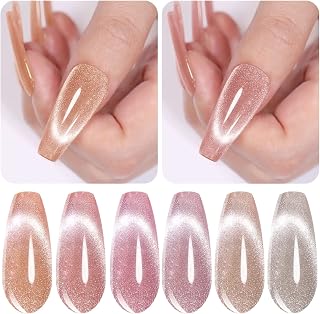


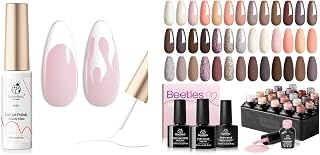


Choosing the best nail polish is about more than selecting a colour that looks attractive in the bottle. The formula, finish, brush design, drying behaviour, durability, application technique, removal process and compatibility with your nails can all affect the final result. Australian shoppers also have a wide range of mainstream, salon-oriented and independent nail-polish brands to compare, including OPI, Essie, Sally Hansen, CND, Revlon, ORLY, Mavala and Australian brand Kester Black.
This buying guide is designed to help you compare nail polishes by the characteristics that matter most rather than relying on colour popularity alone. Before buying, consider how often you paint your nails, whether you prefer a natural or high-impact finish, how much application time you have and whether easy removal is important to you.
A good nail polish should provide a reasonably smooth application, consistent colour, an attractive finish and durability appropriate to its intended use. No conventional polish performs identically on every person's nails, so the most suitable option depends on individual nail condition, application habits and expectations.
Cream polish is one of the most versatile choices for everyday manicures. It normally produces an opaque, smooth colour without visible glitter or metallic particles. Classic shades such as red, pink, nude, burgundy, white, navy and neutral beige can work across many occasions.
Cream formulas are often a sensible starting point for shoppers who want predictable styling and straightforward removal. Coverage varies between shades, so a colour that appears opaque in two coats may require a different application approach from a pale or highly translucent shade.
Sheer formulas create a lighter, more translucent appearance. Jelly-style finishes can provide a glossy, dimensional look while allowing some of the natural nail to remain visible. They are useful for shoppers who prefer subtle manicures or want to build colour gradually.
Because translucency is part of the intended appearance, do not automatically treat visible nail lines as a sign of poor quality. If you want complete coverage, choose a more opaque formula instead.
Glitter polish can create a dramatic manicure or be layered over another shade for additional sparkle. Fine glitter tends to produce a more subtle effect, while larger particles can create a stronger textured appearance.
One important buying consideration is removal. Glitter particles can resist ordinary wiping, making removal more time-consuming than with a conventional cream polish. If easy removal is a priority, compare the finish carefully before choosing a glitter-heavy formula.
Metallic finishes are designed to reflect light and can produce a striking manicure. They can also make application imperfections more noticeable because uneven brush strokes may be easier to see on highly reflective colours.
These polishes are worth considering when the finish itself is an important part of the manicure rather than simply wanting a particular colour.
Pearl and shimmer formulas contain reflective particles that create a softer glow than many metallic finishes. They can be useful when you want more visual interest than a cream polish without the intensity of chunky glitter.
Fast-drying formulas appeal to people who do not want to spend a long period avoiding contact with furniture, clothing or other surfaces. However, the surface feeling dry does not necessarily mean the manicure is fully hardened. Applying excessively thick layers can also increase drying time and may lead to dents.
The behaviour of a polish is influenced by its formulation. Different products balance solvents, film-forming ingredients, resins, plasticising ingredients, pigments and effect particles in different ways. This is why two polishes with apparently similar colours can behave very differently during application and wear.
Consumers should also distinguish between a traditional nail polish and products that require curing under a lamp. Conventional nail polish generally dries as volatile components evaporate, while gel systems use a curing process. If a product is specifically marketed as gel, hybrid or lamp-cured, follow the manufacturer's instructions rather than assuming it behaves like ordinary polish.
Traditional nail polish is generally convenient for at-home use because it does not require a curing lamp. It can also be changed relatively easily when you want a new colour. For shoppers who enjoy frequent colour changes, this flexibility can be more important than maximum wear time.
Gel systems can provide a different manicure experience and normally involve curing with an appropriate lamp. They require greater attention to application and removal because incorrectly applied or removed products can cause unnecessary stress to the natural nail.
When comparing gel products, check whether the polish, base coat, top coat and lamp are intended to work together. Compatibility between components can matter more than choosing a colour based purely on appearance.
Short nails can suit almost any colour. Highly pigmented shades can create a clean, defined appearance, while sheer neutrals can provide a more understated finish. Because shorter nails offer less surface area, brush control and precise application around the cuticle can be particularly important.
Longer nails provide more space for colour and nail art but may also expose more of the manicure to everyday contact. A suitable base coat and thin, even layers can help create a neater finish.
If your nails are prone to splitting or peeling, avoid assuming that a particular polish alone will solve the underlying issue. Consider the complete manicure routine, including how aggressively polish is removed and whether nails are repeatedly exposed to water or cleaning products.
Gentle preparation, avoiding unnecessary scraping and using suitable nail-care products may be more useful than simply changing colour formulas.
Dry-looking cuticles can make an otherwise good manicure appear untidy. Nail polish should not be treated as a substitute for basic nail and cuticle care. Keeping the surrounding skin moisturised can improve the overall appearance of a manicure.
A base coat is more than an optional extra for many manicure routines. It can provide a smoother surface for colour application and may help reduce staining from strongly pigmented shades. Base coats also give you another layer through which to tailor the manicure to your needs.
A top coat can alter both the appearance and practical performance of a manicure. A glossy top coat can intensify shine, while a matte top coat can transform the appearance of a conventional glossy colour. Some top coats are formulated with durability or drying performance as a primary consideration.
When comparing products, check whether the top coat is intended for regular polish or a gel system. Using products outside their intended application can produce disappointing results.
One of the most common nail-polish mistakes is applying too much product in an attempt to achieve immediate opacity. Thick coats can remain soft underneath even when the surface appears dry, increasing the likelihood of dents and smudges.
Several thin layers can provide better control and a more even appearance. The ideal number of coats depends on the formula, colour and desired opacity. Sheer colours may intentionally be worn with fewer layers, while certain highly pigmented shades may reach the desired result quickly.
The brush is an important but often overlooked part of the buying decision. Wider brushes can cover the nail quickly, while narrower brushes may provide greater control for smaller nails or detailed application. Neither shape is automatically better for everyone.
When comparing nail polishes, consider the width and shape of the brush, how easily it fans across the nail and whether you can control the amount of polish loaded onto it. A formula with excellent colour may still be frustrating if the brush does not suit your application technique.
Brand recognition can be useful as a starting point, but it should not replace comparing the individual formula, finish and shade. Different ranges within the same brand can behave differently.
For an Australian purchase, check the current product specifications, shade name, bottle size, ingredient information and retailer details for the exact product rather than relying solely on the brand name.
These brands are frequently considered by shoppers looking for mainstream nail colour, but the best choice depends on the specific product line.
Australian shoppers should consider more than the advertised colour. Product availability, retailer reputation, packaging condition, shipping conditions, ingredient information and the specific Australian product listing can all influence the purchasing decision.
Do not assume that a product shown on an overseas website is identical to the version offered to Australian consumers. Compare the exact product name, shade, size, formulation and packaging before purchasing.
Heat, humidity, frequent hand washing, swimming, household cleaning and outdoor activities can all affect how long a manicure looks fresh. These factors are not necessarily evidence that one polish is defective. Nail preparation, coat thickness and individual nail flexibility can have a significant effect on wear.
For people who regularly swim or spend time outdoors, it can be sensible to prioritise a manicure routine that is easy to refresh rather than choosing a product solely because it claims exceptionally long wear.
Ingredient lists are useful when comparing products, particularly for consumers who have personal ingredient preferences or known sensitivities. Nail-polish formulas can contain a combination of solvents, film formers, resins, plasticisers, pigments and other functional ingredients.
Terms such as “3-free,” “5-free,” “7-free” and similar descriptions refer to the exclusion of particular ingredients from a formulation. These labels should not automatically be interpreted as proof that one product is universally safer or better. If you have a known allergy or sensitivity, review the complete current ingredient information and seek appropriate professional advice when necessary.
Consumers interested in vegan or cruelty-free cosmetics should distinguish between the two claims. Vegan generally relates to whether animal-derived ingredients are used, while cruelty-free relates to animal-testing practices and the standards used by the brand or relevant certification scheme.
Because brand policies and formulations can change, verify the current claim for the exact product or collection before making a purchase decision. Avoid assuming that every product from a brand automatically shares the same characteristics unless the manufacturer clearly states this.
Price alone is a poor measure of value. A lower-priced bottle is not necessarily better value if you dislike the shade, need several coats to achieve coverage or rarely use it. Conversely, a more expensive polish may not provide meaningful additional value if its features do not match your routine.
Customer reviews can reveal practical details that a product description may not communicate, but they need to be interpreted carefully. A complaint about durability may reflect frequent hand washing, nail flexibility or application technique rather than the polish alone.
When reading verified customer reviews, look for repeated observations rather than isolated comments. Useful review themes include brush control, pigmentation, consistency, drying behaviour, colour accuracy, removal difficulty and performance across different nail types.
Pay particular attention to reviews that identify the exact shade and product version. A positive review for one formula or colour does not necessarily establish the performance of another product within the same brand.
Online swatches can help narrow down your options, but screen settings and lighting affect colour perception. Whenever possible, compare several images under different lighting conditions and consider whether the swatch shows one coat, two coats or multiple layers.
Look for information about the base used beneath the colour as well. A shade applied over a base coat can appear different from the same polish applied directly to the natural nail.
Everyday colour selection is highly personal, but certain colour families are versatile. Soft pinks, neutral nudes, muted mauves, classic reds, understated berries and deeper neutral shades can work across many wardrobes and occasions.
If you want one bottle that will receive frequent use, consider how the shade works with the clothes and jewellery you normally wear rather than selecting a colour solely because it is currently fashionable.
For conservative workplace environments, sheer pinks, neutral beige tones, muted rose colours and classic reds are generally easier to integrate into a professional wardrobe. However, workplace expectations vary, so consider your individual environment.
A clean application can matter more than the exact shade. Even a bold colour can look polished when the edges are neat and the surface is smooth.
Special occasions provide more freedom to experiment with metallics, glitter, deeper reds, rich berries, dark neutrals and high-shine finishes. Consider the colour and finish of your outfit before choosing the polish.
If the manicure is for an event, allow enough time for application and drying rather than applying multiple thick layers immediately before leaving home.
Storage can influence the condition of nail polish over time. Keep bottles tightly closed and follow the manufacturer's storage recommendations. Avoid unnecessarily exposing the product to excessive heat or direct sunlight.
Storing bottles upright can also make the collection easier to organise. If the formula becomes unusually thick, stringy or otherwise changes significantly, check the manufacturer's guidance rather than automatically adding another substance to the bottle.
There is no single universal replacement date that applies equally to every nail-polish product. Changes in smell, consistency, colour, separation or application behaviour can indicate that a product is no longer in good condition.
If a polish has become difficult to apply, produces an unexpectedly uneven finish or has undergone a significant physical change, consult the manufacturer's guidance. Do not rely on an improvised method simply to extend the life of an old cosmetic product.
Removal is an important part of the buying decision because some finishes require substantially more effort than others. Standard cream polish is generally simpler to remove than dense glitter or certain long-wear systems.
When removing conventional polish, avoid aggressively scraping or peeling the product from the nail. If you regularly use gel products, follow the manufacturer's recommended removal procedure rather than treating them like ordinary polish.
Acetone-based removers are commonly used because they can dissolve many nail-polish formulations efficiently. Non-acetone removers may be preferred by some consumers for personal reasons, although removal speed and effectiveness can vary.
The most appropriate choice depends on the polish being removed and your personal nail-care preferences. Dense glitter, long-wear and gel products may require a different approach from conventional polish.
You do not need dozens of colours to create a versatile collection. A practical starting point can include one everyday neutral, one pink or mauve, one classic red, one deeper colour and one special-effect shade. From there, add colours based on the shades you actually wear.
Collectors who enjoy experimenting can expand into seasonal colours, unusual finishes and nail-art shades. The important consideration is whether each additional bottle adds something meaningfully different to the collection.
Beginners should generally prioritise an easy-to-control brush, a forgiving cream or neutral formula, straightforward removal and a colour that does not require advanced application skills. A simple base-and-top-coat routine can also make the process easier to manage.
If you change colours regularly, prioritise shade variety, easy application and straightforward removal. There may be little benefit in choosing an extremely long-wearing system if you prefer replacing your manicure every few days.
If durability is your primary concern, compare long-wear conventional formulas or appropriate gel systems. Pay attention to preparation, base coat, top coat and removal requirements because the entire system influences the result.
Choose a versatile shade that remains visually acceptable as it grows out or develops minor wear. Mid-tone colours and understated shades can be easier to maintain discreetly than extremely contrasting colours.
For nail art, pigment and brush control can be more important than broad consumer popularity. Select colours that contrast sufficiently with your base shade and consider whether the formula can be manipulated precisely without becoming too runny or thick.
Be cautious when a listing provides little information about the exact product, shade, formulation or manufacturer. Product photographs can also be misleading when colour representation is affected by lighting, editing or display settings.
For imported or marketplace listings, check the exact product description, packaging information, seller details and Australian consumer information available with the listing. Avoid assuming that an international product description automatically reflects the current Australian version.
When two products appear almost identical, compare them systematically instead of choosing solely by price.
Even a high-quality polish can perform poorly when applied over oily, wet or improperly prepared nails. Before painting, make sure the nail surface is clean and appropriately prepared. Apply controlled, thin layers and allow adequate drying time between coats.
Keep the brush loaded with enough product to cover the nail without flooding the cuticle. If polish touches the surrounding skin, clean the edges carefully rather than repeatedly brushing over the same area.
There is no single best nail polish for every Australian shopper. The right choice depends on your preferred colour, finish, application method, desired wear, removal routine and budget. Compare the exact formula and shade rather than selecting a product solely because it is popular.
No. Price does not guarantee that a formula will suit your nails or application style. A moderately priced polish may be a better choice if it provides the colour, finish, brush control and application experience you want.
It depends on the formula and shade. Many colours can be built with two thin coats, while sheer shades may intentionally require fewer or additional layers depending on the desired effect. Follow the product's application guidance and avoid excessive thickness.
A base coat is not mandatory for every manicure, but it can be useful for creating a more consistent application and reducing the visual impact of staining from strongly pigmented colours. Its value depends on your manicure routine and the products you use.
A top coat is optional, but it can change the appearance and performance of a manicure. Glossy, matte and specialised top coats allow you to alter the final finish while providing a dedicated finishing layer.
Chipping can result from several factors, including nail flexibility, surface preparation, coat thickness, insufficient drying time, frequent water exposure, cleaning products and mechanical stress. Changing polish alone may not solve the problem if the underlying application routine remains unchanged.
Polish can become thicker as its volatile components change over time, particularly if the bottle is repeatedly left open. Keep the cap closed securely and follow the manufacturer's storage recommendations. If the product has changed substantially, check the manufacturer's guidance before attempting to restore it.
Conventional cream finishes are generally simpler to remove than dense glitter or specialised long-wear systems. The exact removal experience depends on the formula and remover used.
Traditional nail polish generally dries through evaporation, whereas gel systems are designed to cure using an appropriate light source. They therefore have different application, equipment and removal requirements.
No. Vegan generally concerns the use of animal-derived ingredients, while cruelty-free generally concerns animal-testing practices. Check the manufacturer's current information for the specific product or range.
Many conventional top coats are designed to work with conventional nail polish, but compatibility can vary. Gel and lamp-cured systems require particular attention to the manufacturer's instructions and product compatibility.
Keep the bottle tightly closed and store it according to the manufacturer's recommendations. Avoid unnecessary exposure to excessive heat and direct sunlight, and keep the product away from children and other inappropriate users.
Compare multiple swatches and remember that screens and lighting can alter colour appearance. Check the shade name, finish and coat information, and consider whether the swatch represents one coat or multiple coats.
A useful nail-polish comparison should consider more than star ratings or popularity. The most meaningful buying factors include formula type, finish, pigmentation, brush control, drying behaviour, expected wear, removal difficulty, ingredient preferences, bottle size and suitability for the shopper's manicure routine.
Because products, formulations, shades and retailer listings can change, always verify the current specifications for the exact nail polish you are considering. Customer reviews are most useful when they are recent, verified and specific to the same shade or formula.
The best nail polish for you is the one that fits your manicure routine rather than simply the one with the highest rating. Start with the finish and colour you actually want, then compare application, pigmentation, brush design, drying behaviour, durability and removal. For Australian shoppers, also verify the current local product details before buying.
Whether you prefer a classic cream, subtle sheer, glossy neutral, bold red, glitter statement colour or salon-style system, careful comparison can help you spend less time dealing with unsuitable formulas and more time enjoying the manicure you wanted.