

♥ Wishlist
Compare 48 verified Eyeliners for Defined and Beautiful Eye Looks products in Australia. Reviews, ratings, pros, cons and buying advice updated for October 2026.








Choosing the right eyeliner is less about finding a universally “best” product and more about matching the formula, applicator, finish and wear characteristics to the way you actually apply makeup. A precise liquid liner can be excellent for sharp wings, while a soft pencil may be easier for everyday definition. Gel formulas can sit between the two, offering more control than a liquid while allowing a range of finishes.
Australian shoppers should also consider the climate and their intended use. Warm weather, humidity, long workdays, outdoor events and frequent travel can expose eyeliner to conditions that make some formulas smudge, transfer or fade more quickly. The ideal choice therefore depends on factors such as eyelid type, desired finish, application skill, sensitivity, removal preferences and whether the eyeliner is intended for the upper lash line, lower lash line or waterline.
A high-quality eyeliner should provide predictable application without requiring excessive pressure or repeated passes. The best formula for you should deliver the level of pigmentation, precision and longevity you need while remaining comfortable to wear.
The formula category is one of the most important buying decisions. Comparing eyeliners only by colour can lead to a poor match because two black eyeliners can behave very differently on the eyelid.
Liquid eyeliner is generally the format to consider when the goal is a crisp, graphic line. Many liquid products use a brush or pen-style applicator, allowing the user to create anything from an extremely thin lash-line stroke to a pronounced wing.
The main advantage is precision. A good liquid liner can produce a clean edge and an intense finish without needing to repeatedly build colour. The trade-off is that mistakes can be more noticeable, particularly with highly pigmented formulas that set quickly.
Liquid eyeliner is particularly suitable for winged eyeliner, cat-eye makeup, graphic styles and occasions where a defined finish is preferred.
Pencil eyeliner is usually the most versatile format for everyday makeup. Traditional pencils can be used to define the upper lash line, soften the lower lash line or create a smoky effect by blending before the formula sets.
Mechanical pencils can be convenient because they do not require sharpening, while traditional wooden pencils can provide a fresh point when sharpened correctly. The hardness and texture of the pencil matter: a very hard pencil may provide precision but feel less comfortable when applied, whereas an exceptionally soft pencil can be easy to blend but may transfer more readily on some eyelids.
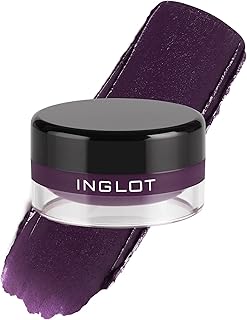
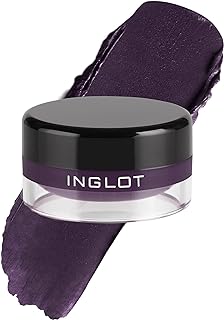
Gel eyeliner can provide a useful middle ground between pencil and liquid formats. It may offer strong colour payoff and a smoother application while giving the user more time to shape and blend the line.
Pot-style gel eyeliners require a separate brush, so they add another tool to the makeup routine. That extra step can be worthwhile for users who want to control the thickness and shape of their eyeliner precisely.
Pen-style eyeliners are often attractive to beginners because the applicator resembles a writing instrument. They can make wing placement easier to control and are generally convenient for travel.
When comparing pen eyeliners, inspect the shape and flexibility of the tip. A fine tip is useful for detail work, while a more flexible tip can make sweeping strokes easier. Storage can also matter because some pen formulas perform more consistently when stored according to the manufacturer's instructions.
Matte black or brown eyeliner provides a classic, understated appearance. It is a strong choice for professional makeup, everyday definition and traditional winged eyeliner.
Glossy finishes create a more reflective appearance and can make a graphic eyeliner look particularly striking. They may require more attention to transfer depending on the formula and eyelid shape.
Metallic finishes can add dimension without requiring a completely different makeup routine. Bronze, copper, gold, silver and other reflective shades can complement neutral, warm or cool-toned eyeshadow looks.
Shimmer formulas are useful when the objective is softer visual contrast rather than an intensely graphic line. They can be used as an accent along the lash line or incorporated into evening makeup.
Black is the obvious choice for maximum definition, but it is not automatically the most flattering or versatile option for every makeup style.
When selecting colour, consider the rest of the makeup rather than choosing eyeliner in isolation. Eyeshadow, mascara, complexion products and brow colour all influence how strong a particular eyeliner shade appears.
Waterproof and water-resistant are not interchangeable descriptions. A water-resistant eyeliner may withstand some moisture while still being easier to remove, whereas a waterproof-oriented formula is generally designed to maintain its appearance under more challenging conditions.
This distinction matters for Australian consumers who may wear makeup during hot weather, long days, travel or special occasions. However, maximum resistance is not always desirable. A formula that is exceptionally difficult to remove may require more cleansing effort, which can be inconvenient for everyday use.
Before buying, consider whether you actually need maximum water resistance. For ordinary office or casual wear, a comfortable standard-wear formula may be more practical than a highly resistant product.
Oily eyelids can make eyeliner transfer, fade or migrate more quickly. If this is a recurring problem, look for formulas described by the manufacturer as long-wearing or resistant to transfer and consider pairing the eyeliner with suitable eye makeup preparation.
Application technique can be just as important as the product. Applying eyeliner over an excessively emollient eyelid product can increase the chance of movement. A compatible eye primer or a controlled layer of eyeshadow may help create a more stable surface.
When comparing products, pay particular attention to the difference between initial application and end-of-day performance. An eyeliner can look excellent immediately after application but behave differently after several hours of eyelid movement.
Hooded eyelids can make conventional eyeliner techniques more difficult because part of the upper eyelid may fold over the area where liner is applied. A thick line can therefore appear much wider than intended or transfer onto the upper lid.
A fine-tip liquid liner or precise pencil can be easier to work with when creating a controlled line. Many people with hooded eyes also benefit from keeping the line relatively thin near the inner portion of the eyelid and adjusting the wing according to the eye's natural shape.
Do not judge an eyeliner solely by how it looks with the eye closed. Check the result with the eyes naturally open because this is how the eyeliner will generally be seen by other people.
Beginners should generally prioritise control over maximum pigment intensity. An eyeliner that is easy to correct and manipulate can make learning substantially less frustrating.
Eye-area cosmetics deserve additional care because the skin around the eyes is delicate and products can come into contact with the eye itself. If you have known sensitivities, check the full ingredient list and manufacturer guidance before purchasing.
Do not assume that a product marketed as natural, mineral, clean or hypoallergenic will automatically be suitable for everyone. Individual reactions can differ. If a particular cosmetic causes persistent irritation, discontinue use and seek appropriate professional advice.
Never share eyeliner products or applicators. Keep the applicator clean, avoid applying cosmetics to an injured or irritated eye and follow the manufacturer's recommendations for storage and replacement.
The packaging is not merely cosmetic. It can influence how consistently a product performs over time.
Look for packaging that closes securely and makes it easy to prevent the formula from drying out. With liquid and gel products, storage and closure can have a meaningful effect on usable life.
Ingredient lists are useful for informed shopping, but they should be interpreted in context rather than used to label an entire formula as universally good or bad.
Film-forming ingredients can contribute to the way long-wear formulas adhere to the skin. Waxes and emollient components can affect pencil texture and glide. Pigments determine much of the visible colour, while solvents and other formulation components influence how a liquid product spreads and dries.
If you have previously reacted to a cosmetic ingredient, compare the complete ingredient lists of products rather than relying on broad claims such as “gentle” or “long-lasting”. Formulations can change, so checking the packaging supplied with the product is preferable to relying indefinitely on an older ingredient list.
Brand familiarity can be a useful starting point, but it should not replace product-level comparison. Different eyeliner ranges from the same company can have completely different formulas and applicators.
When evaluating any brand, compare the exact product, shade, formulation and applicator rather than assuming that all products from that brand have identical performance.
Online shopping makes it easy to compare products, but product pages can sometimes present information differently. Before making a purchase, check the exact product name, shade, size and formula.
Colour is important, but it does not tell you whether an eyeliner will suit your preferred application method. Two black liners can differ substantially in texture, finish, drying time and resistance to transfer.
Maximum resistance can be unnecessary for everyday use. If you do not regularly need makeup designed for moisture-heavy conditions, prioritising easy application and removal may produce a better overall experience.
A formula can be excellent while the applicator is unsuitable for your technique. Consider whether you prefer a flexible brush, firm pen tip, traditional pencil or brush-applied gel.
Price does not guarantee that an eyeliner will suit your eyes or application style. Compare formula characteristics, ingredients, packaging and customer feedback rather than using price as a shortcut for quality.
If you are building a basic makeup kit, purchasing several nearly identical black eyeliners may provide less value than choosing complementary formats such as a daily pencil and a precision liquid liner.
A simple evaluation can help determine whether a product is appropriate for your routine. Apply the eyeliner in the manner you normally use it, then observe its appearance over your usual wearing period.
This approach is more useful than judging an eyeliner only from its appearance immediately after application.
Use a relatively thin line close to the upper lashes. A dark brown or softened black shade can create definition without making the eyeliner the dominant feature of the makeup.
Begin with the upper lash line and establish the desired wing direction before filling in the shape. Short, controlled strokes are generally easier to correct than attempting the entire wing in one movement.
A softer pencil is generally more suitable for a smoky effect because it can be blended before setting. Work in small amounts and add additional intensity gradually.
Graphic looks require precision, symmetry and clean edges. A fine liquid or pen-style liner can be useful when the objective is a clearly defined shape.
Tightlining involves applying eyeliner very close to the lash roots. Because this technique places product particularly close to the eye, careful application and good cosmetic hygiene are especially important.
Longevity is influenced by both product formulation and preparation. Start with a clean, appropriately prepared eyelid and avoid applying excessive skincare or oily products directly beneath the eyeliner unless they are compatible with the makeup routine.
Allow liquid or gel eyeliner enough time to set before repeatedly opening and closing the eye or layering other products. If you use eyeshadow, consider whether applying liner before or after the shadow gives you the cleanest result for the particular formula.
For especially long days, compare formulas specifically marketed for extended wear and transfer resistance, but remember that performance can vary according to individual eyelid characteristics.
Removal should be considered before purchase, especially when comparing highly resistant formulas. A product that remains intact throughout the day but requires aggressive rubbing at night may be less convenient for some users.
Use a makeup remover appropriate for eye cosmetics and follow the product instructions. Gently dissolve the makeup rather than repeatedly scrubbing the eyelid. Avoid pulling at eyelashes or applying unnecessary pressure to the eye area.
If waterproof or long-wear eyeliner is part of your routine, choosing a remover designed to handle durable eye makeup can make the process more efficient.
Eye makeup requires sensible hygiene practices. Avoid sharing eyeliner with other people, keep applicators from touching contaminated surfaces and follow the manufacturer's guidance regarding storage and product life.
If a product changes smell, texture, colour or application characteristics unexpectedly, it is sensible to stop using it. Do not add water or other substances to an eyeliner simply to extend its usable life unless the manufacturer specifically instructs you to do so.
Pay particular attention to products used around the waterline because this area provides less margin for poor hygiene or unsuitable application.
Australia encompasses a wide range of climates, from humid tropical conditions to dry inland environments and cooler southern regions. Consequently, there is no single eyeliner formula that is ideal for every Australian shopper.
In warmer or more humid conditions, transfer resistance and wear can become more important. In drier conditions, comfort and application glide may receive greater priority. For travel between climates, a versatile formula with dependable application can be more practical than selecting solely for one environment.
Storage also matters. Excessive heat can affect some cosmetic formulas, so follow the manufacturer's storage recommendations and avoid leaving eye makeup in places exposed to extreme temperatures.
When several products appear suitable, use a consistent comparison process rather than choosing based on whichever product has the most prominent marketing claim.
A smooth pencil is often a practical choice for everyday users because it can create both defined and softer looks. Look for a texture that provides enough glide without becoming difficult to control.
A fine liquid or pen-style eyeliner is usually the format to investigate when sharp wings are the main priority. Applicator precision is particularly important.
A blendable pencil is generally the most straightforward option. It allows colour to be placed close to the lashes and softened with a suitable brush or applicator.
Look for a formula specifically designed for extended wear and compare customer feedback concerning transfer and fading. The most durable formula is not necessarily the most comfortable or easiest to remove.
A controlled pencil or user-friendly pen can be easier to learn than an extremely fast-setting liquid liner. The best beginner option is one that allows mistakes to be corrected without starting over.
The lowest purchase price is not always the lowest cost over time. A cheaper eyeliner that dries out quickly, requires multiple applications or does not suit your technique may provide less practical value than a product that performs consistently.
Compare the amount of product, expected frequency of use, packaging, formula consistency and your likelihood of actually using the product. For occasional makeup users, a versatile pencil may offer better practical value than a specialised eyeliner with a narrow use case.
Customer reviews can be useful, but they are most valuable when you look for patterns rather than individual opinions. A single review saying that an eyeliner smudged does not necessarily mean the formula is unsuitable; recurring comments from customers with similar use cases are more informative.
There is no single best eyeliner for every Australian shopper. The right choice depends on the desired finish, application technique, eyelid characteristics, expected wear time and budget. Compare the exact formula and applicator rather than selecting solely by brand.
Neither format is universally better. Liquid eyeliner is generally suited to sharp, defined lines and wings, while pencil eyeliner is typically more versatile for everyday definition and smoky looks.
A smooth pencil or controlled pen-style eyeliner can be easier for beginners because it allows gradual application. The best option depends on whether you prefer a soft, blendable line or a more defined finish.
Waterproof eyeliner can be worthwhile when you need additional resistance to moisture, humidity or long wear. If easy removal and everyday comfort are more important, a conventional long-wearing formula may be sufficient.
Look for products designed with long wear or transfer resistance in mind and consider appropriate eyelid preparation. No formula performs identically on every person's skin, so recent customer feedback can help identify recurring transfer issues.
A fine, controllable eyeliner is often easier to manage on hooded eyes because excessive thickness can transfer onto the upper lid. Apply the line while looking naturally forward so you can judge how much of the eyeliner remains visible.
Brown eyeliner can provide softer definition and may be more suitable for natural or daytime looks. Black is preferable when stronger contrast and more dramatic definition are desired.
Wear time varies substantially between formulas and individuals. Product claims should be considered alongside your eyelid type, climate, application technique and the conditions in which the eyeliner will be worn.
Follow the manufacturer's storage instructions. Keep the product securely closed and protect it from excessive heat, moisture and contamination. Proper storage can help preserve the intended texture and application characteristics.
Some products are designed for versatile eye-line application, but not every formula is appropriate for every area. Follow the manufacturer's instructions and avoid using a product in or around the waterline unless it is intended for that purpose.
Retractable pencils offer convenience and are useful for travel, while sharpenable pencils allow you to create a fresh point and can provide more control for detailed application. Your preferred application style should determine the choice.
A useful independent buying guide should compare eyeliners according to the characteristics that influence real purchasing decisions rather than simply repeating manufacturer descriptions. For an Australian shortlist, consider formula type, application control, pigmentation, finish, wear characteristics, comfort, packaging, shade selection, ingredient information, current customer feedback and overall suitability for the intended use.
Because cosmetic formulations, packaging, retailer listings and availability can change, always check the current product information before purchasing. Compare the exact product and shade, read the latest verified customer reviews and confirm today's price and retailer terms before making a final decision.
The strongest choice is ultimately the eyeliner that fits your own application habits, eye shape, desired finish, wearing conditions and tolerance for maintenance. A precise liquid liner may be ideal for one person, while a soft pencil or gel formula may be substantially more practical for another.