

♥ Wishlist
Compare 46 verified Face Wash for Everyday Facial Cleansing products in Australia. Reviews, ratings, pros, cons and buying advice updated for October 2026.

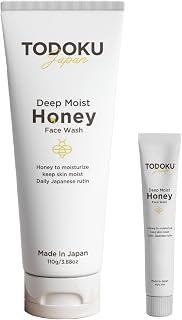


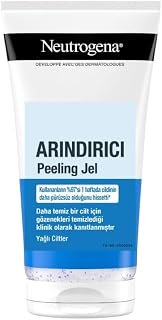


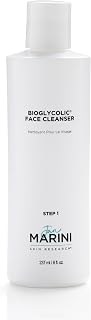


Choosing a face wash is less about finding the most heavily marketed cleanser and more about matching the formula to your skin type, cleansing needs, climate and daily routine. In Australia, shoppers can choose from foaming cleansers, gel cleansers, cream cleansers, oil-based formulas, micellar products and combination cleansing systems from brands such as CeraVe, Cetaphil, La Roche-Posay, QV, Neutrogena, Bioderma, Avène and The Ordinary.
A good facial cleanser should remove excess oil, sunscreen, sweat, dirt and everyday impurities without leaving the skin persistently tight, uncomfortable or excessively dry. The right choice can also make the rest of a skincare routine easier because moisturisers, serums and other products are generally intended to be applied to clean skin.
This guide is designed for Australian shoppers comparing face washes rather than simply choosing a product because it has a high rating. Product formulas, pack sizes, ingredients and availability can change, so compare the current product information, directions and ingredient list before buying.
Skin type is one of the most useful starting points when comparing cleansers. However, skin type alone does not determine the best product. A person with oily skin can still experience dehydration or sensitivity, while someone with dry skin may occasionally need a more thorough cleanser after wearing water-resistant sunscreen.
Oily skin generally benefits from a cleanser that removes excess sebum effectively without relying on an excessively harsh cleansing system. Lightweight gel and foaming formulas are common choices because they can leave a cleaner, fresher finish.
Dry skin usually benefits from a gentler cleansing approach. Cream, lotion and non-stripping gel cleansers can be preferable when a foaming product leaves the face feeling tight.
Combination skin can be difficult to match because the T-zone may become oily while the cheeks remain normal or dry. A balanced cleanser is often more practical than attempting to aggressively control oil across the entire face.
Gel cleansers and mild foaming formulas can work well for some combination-skin routines, while gentler cream or lotion cleansers may be preferable when the dry areas are more prominent. The ideal choice should leave both the oily and drier areas reasonably comfortable.
Sensitive skin requires particular attention to the overall formula rather than one headline ingredient. Fragrance, essential oils, strong exfoliating ingredients and aggressive cleansing can be problematic for some individuals.
Acne-prone skin may benefit from cleansers formulated with ingredients such as salicylic acid, depending on individual tolerance and skincare needs. However, a cleanser is not automatically better simply because it contains an acne-focused ingredient.
Because cleansers are rinsed off relatively quickly, they should be considered part of an overall skincare routine rather than a stand-alone acne treatment. If acne is persistent, painful, severe or leaving scars, professional medical advice is more appropriate than repeatedly changing face washes.
Ingredient lists can provide considerably more useful information than marketing claims. The following ingredients appear frequently in facial cleansers and have different purposes.
Ceramides are lipid components associated with the skin barrier. Cleansers containing ceramides are often positioned toward dry, normal or barrier-conscious skincare routines. CeraVe is particularly well known for incorporating ceramides into its skincare range.
Glycerin is a humectant commonly used to help attract and retain water. It is found in many different cleanser types and can be useful when the goal is effective cleansing without an excessively dry after-feel.
Hyaluronic acid is another widely used humectant. Its presence can be useful when comparing cleansers intended to support a more comfortable cleansing experience, although the complete formulation remains more important than any single ingredient.
Salicylic acid is a beta hydroxy acid commonly used in products designed for oily or blemish-prone skin. It can help exfoliate within pores, but tolerance varies. People with sensitive or easily irritated skin should be particularly cautious with frequent use of exfoliating cleansers.
Niacinamide is a form of vitamin B3 used in skincare formulations for several purposes, including supporting the appearance and function of the skin barrier and helping address the look of uneven skin. It is found in products aimed at a broad range of skin types.
Fragrance is not inherently unsuitable for every user, but people who know that fragranced skincare irritates their skin may wish to compare fragrance-free alternatives. The absence or presence of fragrance should be considered alongside the rest of the formula.
Foaming cleansers are popular because they create a noticeable lather and can provide a fresh, thoroughly cleansed sensation. They may be especially appealing to people with oily or combination skin, although modern formulations vary substantially in how gentle they are.
Gel cleansers generally have a lightweight texture and are often selected by people who prefer a clean, fresh finish. They can be a useful middle ground between heavy cream cleansers and stronger foaming products.
Cream and lotion cleansers are typically chosen by people with dry, normal or sensitive skin. Their richer textures can make them preferable when the priority is gentle cleansing rather than a highly stripped finish.
Oil cleansers can be useful for dissolving makeup, sunscreen and oil-soluble products. Some shoppers use them as the first step of a double-cleansing routine, followed by a water-based cleanser.
Micellar water can be convenient for removing light makeup and everyday impurities. Depending on the product and individual skin, some users rinse it afterward while others follow it with a conventional cleanser.
Australia includes very different climates, from tropical and humid conditions to dry inland environments and cooler southern regions. There is therefore no single Australian face wash formula that is ideal for everyone.
Hot weather, sweating, outdoor activity and frequent sunscreen application can increase the need for effective cleansing. At the same time, cold weather, dry air and over-cleansing can make skin feel uncomfortable. Your local climate and lifestyle should therefore influence your choice.
In most cases, choosing a facial cleanser by skin type and formulation makes more sense than choosing one based on gender. Men's skin can be oily, dry, combination or sensitive just like women's skin, and shaving introduces another consideration.
People who shave regularly may prefer a gentle cleanser that does not leave the skin feeling excessively dry or irritated. There is no requirement to use a product labelled specifically for men if another formulation better matches the skin.
Teenagers often experience increased oil production and blemishes, but aggressive cleansing can make a routine unnecessarily irritating. A simple cleanser appropriate for the individual's skin type is usually a better starting point than building a complicated routine around numerous active ingredients.
For teenagers with persistent or significant acne, a pharmacist, doctor or dermatologist can provide more appropriate guidance about treatment options. A face wash should not be presented as a guaranteed solution for acne.
As skin changes with age, cleansing preferences may change as well. Mature skin can become drier or more sensitive, making an overly strong cleanser less comfortable than it once was.
When comparing cleansers for mature skin, consider barrier-supportive ingredients, fragrance preferences, cleansing strength and how the product feels after rinsing. A gentle cleanser can often be more practical than selecting a product solely because it promises dramatic anti-ageing benefits.
A ranked list should not be treated as a universal order of quality. A cleanser that is excellent for oily skin may be unsuitable for someone with very dry or sensitive skin. Use the following criteria to compare individual products in a shortlist.
Ingredient lists can initially look complicated, but several practical checks can make comparison easier. Start by identifying whether the formula contains ingredients you already know your skin tolerates. Next, look for the ingredients that relate to your objective, such as humectants for a more comfortable cleansing experience or salicylic acid for an exfoliating cleanser.
Do not judge a product solely by whether a particular ingredient appears near the front or back of the list. Ingredient concentration, formulation, product format and contact time all influence how a cleanser performs. The complete formula matters.
A facial cleanser and a facial scrub serve different purposes. A cleanser is primarily intended to remove dirt, oil, sunscreen and other surface impurities. A scrub uses physical particles to provide mechanical exfoliation.
Physical exfoliation is not automatically necessary for healthy-looking skin. People with sensitive, irritated or acne-prone skin may find aggressive scrubbing uncomfortable. If exfoliation is desired, compare the frequency and type of exfoliation with the rest of your skincare routine to avoid excessive irritation.
Cleansing balms are generally richer products designed to dissolve makeup, sunscreen and oil-based products. They are often used as the first stage of double cleansing.
A conventional face wash may be sufficient for a simple routine, while a balm can be useful when removing substantial makeup or water-resistant sunscreen. There is no universal requirement to double cleanse every day.
Double cleansing means using two cleansing stages, commonly an oil-based cleanser followed by a water-based cleanser. It can be useful when removing heavy makeup or substantial sunscreen, but it is not automatically better than one suitable cleanser.
For people whose skin becomes dry or irritated easily, unnecessary additional cleansing may be counterproductive. The goal should be effective removal of products and impurities while maintaining a comfortable cleansing routine.
A stronger cleansing sensation is not necessarily a sign of superior performance. Persistent tightness, dryness or discomfort after washing can indicate that the formula or cleansing frequency does not suit your skin.
Customer ratings can help identify popular products, but ratings do not account for individual skin type. Read verified customer feedback critically and look for recurring comments about texture, irritation, packaging and suitability rather than relying on the average score alone.
Marketing descriptions provide a useful overview but do not replace the current ingredient list. If you have known sensitivities, ingredient verification is particularly important.
A cheaper bottle is not necessarily better value if it contains substantially less product. Compare price per volume when pack sizes differ.
More cleanser does not necessarily mean cleaner skin. Follow the manufacturer's directions and use enough product to distribute it comfortably across the face.
Very hot water can contribute to dryness and discomfort. Lukewarm water is generally a more comfortable choice for routine facial cleansing.
Constantly switching cleansers makes it difficult to determine what works for your skin. Unless a product is causing an obvious problem, allow your routine enough consistency to evaluate its practical suitability.
The ideal cleansing schedule depends on skin type, lifestyle and the rest of the routine. Evening cleansing is particularly important when removing sunscreen, makeup, sweat and accumulated daily impurities.
Some people prefer a full cleanser in the morning, while others with dry or sensitive skin may prefer a gentler approach. If your skin feels consistently tight after washing twice daily, reconsider the cleanser, water temperature and frequency rather than assuming that more cleansing is always better.
Sunscreen is an important part of sun-protection routines in Australia, particularly for people spending time outdoors. If you apply sunscreen daily, choose a cleansing routine capable of removing the particular sunscreen you use.
Water-resistant products and heavier sunscreen formulations may require more thorough cleansing than a lightweight product. Always follow the sunscreen manufacturer's instructions and avoid assuming that a cleanser's marketing claim automatically means it removes every type of sunscreen.
There is no universal price point that defines a good cleanser. Affordable products from established brands can be perfectly suitable, while premium products may appeal because of particular textures, ingredients or formulation preferences.
Instead of setting a price target first, establish the characteristics your skin requires. Then compare products within that group, taking pack size, ingredient list, intended skin type and current Australian pricing into account.
Australian shoppers will encounter products from a broad range of established skincare brands. CeraVe, Cetaphil, La Roche-Posay, QV, Neutrogena, Bioderma, Avène, Eucerin, Simple and The Ordinary are examples worth considering when building a shortlist.
Brand reputation should be one consideration rather than the deciding factor. Even within the same brand, different cleansers can target very different skin types and needs. Always compare the individual formula and current product information.
When comparing the same cleanser across retailers, check that the product name, size, formulation and packaging match. Facial cleansers can have similarly named variants with different ingredient profiles.
Customer reviews are useful for identifying practical observations that may not be obvious from a product description. Look for recurring comments about texture, scent, dispensing, packaging, rinsing and how the cleanser feels after use.
Reviews are less reliable for determining whether a product is objectively right for your skin because individual skin types, routines and expectations differ. A complaint about dryness may be highly relevant to someone with dry skin but less meaningful to someone who deliberately prefers a stronger cleansing feel.
Packaging affects usability as well as hygiene. Pump bottles can be convenient for daily use, while squeeze tubes are useful for travel and controlling the amount dispensed. A product stored in a shower should remain closed between uses where practical.
Follow the manufacturer's storage instructions and pay attention to changes in smell, colour or texture. If a cosmetic product appears to have deteriorated, discontinue use rather than attempting to restore it.
If you travel frequently, consider the packaging format and product volume as well as cleansing performance. A secure cap or pump can be more practical in luggage than packaging that is prone to opening.
For flights, check the current airline and airport requirements applicable to liquids and toiletry products before travelling. A smaller cleanser may be convenient even when a larger bottle provides better value at home.
A cleanser is designed primarily for cleansing, not for treating every skin concern. Persistent acne, significant inflammation, recurring rashes, unexplained irritation or other ongoing skin problems may require professional assessment.
Do not assume that increasing cleansing frequency or switching repeatedly between active-ingredient face washes will solve a persistent skin condition. A pharmacist, doctor or dermatologist can help determine whether a condition requires treatment beyond basic cleansing.
There is no single best face wash for every Australian shopper. The best choice depends on skin type, sensitivity, cleansing needs, preferred texture, ingredients and budget. Compare the individual formula rather than choosing solely by brand popularity or ranking position.
A gentle cleanser with a relatively simple formulation is often a sensible starting point for sensitive skin. Check the full ingredient list and consider fragrance-free options if fragrance is a known trigger for you.
A lightweight gel or foaming cleanser may suit oily skin, particularly when it removes excess oil without causing persistent dryness. Salicylic acid may be useful for some blemish-prone routines, but tolerance varies.
Dry skin often responds better to gentle cream, lotion or non-stripping gel cleansers. Ingredients such as glycerin and ceramides can be useful features to compare, although the entire formulation remains important.
Yes, if the cleanser suits your skin and the frequency is comfortable. People with dry or sensitive skin may prefer a less intensive morning routine, while people with oily skin or active lifestyles may have different requirements.
If exercise leaves your face sweaty or dirty, cleansing afterward can be reasonable. Avoid excessive repeated washing if it causes dryness or irritation.
Age-specific marketing is less important than skin type and formulation. Teenagers can use many conventional facial cleansers, but a simple routine is usually preferable to an unnecessarily aggressive combination of products.
Not necessarily. Foaming technology and formulation vary considerably. However, if a particular foaming cleanser consistently causes tightness or discomfort, a cream, lotion or gentler gel cleanser may be more suitable.
No. Salicylic acid can be useful for some oily or blemish-prone routines but may be irritating for some users. Follow product directions and consider your overall use of exfoliating products.
Replacement is generally based on finishing the product or reaching the manufacturer's stated period-after-opening guidance rather than a fixed universal number of months. Follow the packaging and storage instructions.
Natural does not automatically mean gentler or more suitable. Plant extracts and essential oils can still cause irritation or sensitivity in some people. Evaluate the complete formulation and your personal tolerance.
Not automatically. Price can reflect packaging, formulation choices, brand positioning and other factors, but a more expensive cleanser is not necessarily more appropriate for your skin. Compare ingredients, skin-type suitability, quantity and practical performance.
The strongest approach to choosing a face wash is to work backwards from your skin rather than forwards from advertising claims. Identify whether you need oil control, gentle cleansing, makeup and sunscreen removal, barrier-conscious care or a cleanser with a specific active ingredient. Then compare suitable formulas from established brands and reputable Australian retailers.
For a 2026 purchase, verify the current ingredient list, product size, formulation, customer feedback and retailer information because product specifications and availability can change. A well-matched cleanser does not need to be complicated: the most useful option is usually the one that cleans effectively, fits comfortably into your routine and does not create problems that require additional products to correct.