

♥ Wishlist
Compare 29 verified Body Washes & Deodorants products in Australia. Reviews, ratings, pros, cons and buying advice updated for October 2026.


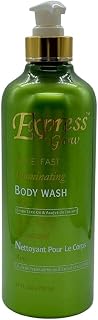


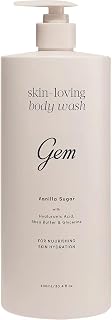


Choosing personal-care products is not simply a matter of picking the most popular bottle on the shelf. Body wash and deodorant perform different jobs, and the right combination depends on skin type, fragrance preferences, sweat levels, daily activity, climate and how frequently you shower. Australian conditions can also make product selection more important, particularly during hot weather, outdoor activities and periods of high humidity.
A useful buying decision starts by separating cleansing from odour control. A body wash is primarily intended to cleanse the skin and remove sweat, oils, dirt and product residue. Deodorant is designed to help control body odour, while antiperspirant products additionally aim to reduce perspiration. Understanding that distinction makes it easier to compare products that otherwise appear very similar.
This guide is designed for Australian shoppers comparing body washes, deodorants and related personal-care products in 2026. Rather than treating one formulation as universally best, consider the characteristics that matter for your own routine and compare ingredients, product format, fragrance, skin compatibility, pack size and current retailer information before buying.
Body wash and deodorant should not be evaluated using the same criteria. A body wash is a rinse-off cleansing product, whereas deodorant is generally a leave-on product intended for use after washing. Some consumers use both products as part of the same routine, but their purposes remain distinct.
One of the most common buying mistakes is assuming that stronger fragrance means stronger odour protection. Fragrance and sweat control are different properties. Similarly, a body wash that leaves a noticeable scent after showering should not automatically be considered a substitute for deodorant.
Skin type should be one of the first considerations when comparing body washes. A product that feels comfortable on one person's skin may feel drying or unsuitable for another person. If your skin frequently feels tight after showering, look for formulations positioned around gentle cleansing and skin comfort rather than selecting solely according to fragrance.
For oily or sweat-prone skin, cleansing performance may receive greater priority. For dry or easily irritated skin, a gentler formulation and sensible showering routine may be more important than a powerful-feeling cleanser.
Fragrance is highly subjective. Citrus, fresh, woody, aquatic, herbal, floral and musky profiles can all appeal to different shoppers. Consider whether you want a subtle product that works alongside perfume or cologne, or a more noticeable scent that is intended to be part of your everyday grooming routine.
If multiple fragranced products are used together, their scents can compete. A neutral body wash paired with a preferred deodorant may therefore be more practical than choosing two strongly scented products.
Deodorants are available in several formats, including aerosol sprays, roll-ons, sticks, creams and other specialised applications. Format affects application speed, portability, coverage and personal preference.
This distinction is particularly important for shoppers who sweat heavily. Deodorant focuses on odour control, while antiperspirant products are designed to reduce perspiration. If your primary concern is wetness rather than odour, comparing antiperspirant products may make more sense than simply looking for a deodorant with a stronger fragrance.
Check the product label carefully because marketing language can make these categories appear interchangeable when their intended functions are different.
Ingredient lists can look complicated, but shoppers do not need to understand every chemical name to make a sensible comparison. Focus on the overall product purpose, cleansing profile and any ingredients you personally know you need to avoid.
Body washes use cleansing ingredients to lift oils, sweat, dirt and other residues from the skin. Different formulations can create different levels of foam and leave different after-feels. More foam does not necessarily mean a more effective or better cleanser.
Some body washes include ingredients intended to support skin softness and reduce the dry or tight sensation that some people experience after cleansing. When comparing products for dry skin, examine the complete formulation rather than relying on a single highlighted ingredient on the front of the packaging.
Some body cleansers include ingredients intended to help remove dead surface skin cells. Exfoliating products can be useful for particular routines, but they should not automatically replace a gentle everyday cleanser. Overuse of aggressive cleansing or exfoliation can leave skin feeling uncomfortable.
Fragrance can significantly influence the shower experience, but people who are sensitive to fragranced products may prefer simpler formulations. Essential oils are not automatically appropriate for every skin type simply because they are plant-derived. Always consider your own tolerance and follow the product's directions.
Australia's varied climate means there is no single ideal body wash for every household. Someone living in a hot, humid environment may have very different priorities from someone in a cooler or drier region. Seasonal changes can also affect how often people shower and how their skin feels.
Start by identifying whether your priority is odour, perspiration, convenience, fragrance or skin comfort. If odour is the main concern, focus on deodorant performance and application. If visible sweat is the larger concern, compare antiperspirant formulations. If irritation is the issue, pay particular attention to the ingredients and product instructions.
Office-based routines, physical work, gym sessions, commuting and outdoor activities can create very different requirements. Someone who spends much of the day outdoors may place greater importance on sweat management, while someone working in a controlled indoor environment may prioritise scent and comfort.
Read the manufacturer's instructions rather than assuming every deodorant or antiperspirant should be used in exactly the same way. Application directions can vary by product format. Allowing products to dry where recommended can also make the routine more comfortable and help reduce transfer onto clothing.
Australian shoppers will encounter a broad selection of established personal-care brands. Brand recognition can be useful as a starting point, but it should not replace comparison of the specific product formulation.
Brand ranges change over time, so compare the exact product name, ingredients, format and current packaging rather than assuming every product from a brand has the same characteristics.
Packaging can highlight words such as refreshing, nourishing, deep cleansing, natural, intensive or long-lasting. These descriptions can help communicate a product's intended positioning, but they should not be treated as a substitute for examining the actual formulation and directions.
The cheapest bottle is not necessarily the lowest-cost option over time. Compare the amount of product in each package and consider how much you normally use per shower. A concentrated formulation may be used differently from a more liquid product, while pump packaging can make portion control easier for some users.
For deodorant, consider the format, quantity and frequency of application. Comparing only the shelf price can produce misleading conclusions when products have different pack sizes.
When checking today's prices through Australian retailers, compare the full product description, pack quantity and any multi-pack configuration. A listing can appear cheaper while containing fewer individual units.
A pleasant fragrance can make a product enjoyable to use, but scent alone says little about cleansing performance, sweat management or skin compatibility. Treat fragrance as one buying factor rather than the entire decision.
If sweat reduction is important to you, make sure the product you are considering is actually designed for that purpose. A deodorant selected solely for its fragrance may not address excessive perspiration in the same way as an antiperspirant.
Higher pricing does not automatically mean better performance for your individual needs. Compare formulation, size, format, application method and verified customer feedback before paying a premium.
A product can be popular and still not suit everyone. If you have previously reacted to particular ingredients or fragrances, check the current ingredient list carefully.
Multipacks can be convenient, but buying a large quantity of an unfamiliar product can be inefficient if you dislike the fragrance, texture or application. When trying a new formulation, a smaller quantity can be a more sensible starting point.
Do not compare a moisturising body wash, exfoliating cleanser, deodorant and antiperspirant solely on a single concept such as "strength." They have different purposes and should be judged against different criteria.
Prioritise a versatile cleanser with a comfortable texture, straightforward application and a fragrance profile that suits the household. Large-format packaging can be practical when multiple people use the same product, but individual preferences may make separate products more appropriate.
Look for a cleansing routine that does not leave your skin feeling excessively tight. Consider gentler formulations and avoid unnecessarily frequent or aggressive exfoliation. Moisturising after showering can also be an important part of a dry-skin routine.
Compare cleansing products according to how well they fit frequent showering and consider an antiperspirant if perspiration itself is the primary concern. Product selection should be paired with sensible hygiene and clothing choices rather than relying on fragrance alone.
Consider fragrance-free or lower-fragrance options where appropriate, and inspect the ingredient information rather than relying exclusively on front-of-pack claims.
Convenience matters. Easy-rinse body wash, compact deodorant formats and products that fit comfortably into a gym bag can simplify a post-workout routine. Leak-resistant packaging is particularly useful when products are transported frequently.
Choose formats that are easy to transport and store. Solid products may appeal to travellers who want to minimise liquid items, while smaller containers can be useful when a full-size bottle is unnecessary. Always follow airline and destination requirements for toiletries when travelling.
Body odour management is not determined by deodorant alone. Clothing absorbs sweat, oils and fragrance, and repeatedly wearing garments without appropriate washing can contribute to persistent odour. Breathable fabrics, changing after significant exercise and laundering clothing according to its care instructions can all contribute to a fresher routine.
White marks, yellowing and fabric transfer can also influence which deodorant format a shopper prefers. If clothing appearance is a concern, check product directions and customer feedback for recurring comments about residue, while remembering that results can vary by fabric, application and individual use.
Verified customer reviews can provide useful information that is difficult to capture from product packaging, but they need to be interpreted carefully. Look for repeated observations rather than relying on one extremely positive or negative review.
A useful comparison should not rank every product using a single vague score. Instead, create a shortlist according to the characteristics most relevant to your routine.
A practical routine does not need to contain a large number of products. Start with appropriate cleansing, dry the skin properly and apply deodorant or antiperspirant according to the product directions.
More products do not necessarily create a better routine. The most useful approach is usually to identify the specific problem you are trying to solve and select products that address it without unnecessary complexity.
Stop using a personal-care product if it causes an unexpected reaction and follow appropriate medical advice when symptoms are significant or persistent. Changes in skin tolerance can occur over time, so a product that previously worked well may not always remain the preferred choice.
Also reconsider products when their packaging, formulation, fragrance or ingredients have changed. Do not assume that a new package is identical to an older version simply because the brand and product name appear similar.
Keep personal-care products stored according to their labels and avoid exposing them unnecessarily to excessive heat or direct sunlight. Close bottles and caps properly after use. For shared household products, avoid contaminating the dispenser or opening through unnecessary contact.
Travel products should be packed securely to reduce the risk of leakage. Aerosol products require particular attention to their label instructions and applicable transport requirements.
Gender-specific marketing can be useful when it helps shoppers identify fragrance preferences, but the underlying buying criteria remain largely the same. Skin type, desired fragrance, sweat management, ingredients, format and comfort are generally more useful than a product's gender label.
A shopper who prefers a traditionally marketed men's fragrance can choose it regardless of gender, just as anyone can choose a floral, citrus, clean or fragrance-free formulation. Focus on the characteristics that actually affect your routine.
Terms such as natural, botanical, clean and plant-based can be appealing, but they require context. A marketing claim does not automatically establish that a product will be more effective, gentler or better suited to every skin type.
If ingredient origin is important to you, examine the complete ingredient information and the manufacturer's explanation of the claim. Avoid assuming that a natural ingredient cannot cause irritation or that a synthetic ingredient is automatically unsuitable.
Packaging can be another factor in a responsible purchasing decision. Compare bottle size, refill availability where applicable, material composition and how much packaging is required for the amount of product provided.
However, packaging claims should be assessed separately from product performance. A product that appears environmentally preferable may not suit your personal requirements, while buying a product you will actually use consistently can also prevent unnecessary waste.
The best product is the one that satisfies your specific requirements consistently. For one shopper, that may mean a gentle everyday body wash. For another, sweat reduction may be the highest priority. Someone else may care most about a particular fragrance, travel convenience or avoiding certain ingredients.
A strong buying decision therefore combines product purpose, formulation, skin compatibility, format, customer feedback and current Australian retailer information. Brand reputation can help establish a shortlist, but the exact product should always receive the final evaluation.
There is no single body wash that is best for every Australian shopper. The right choice depends on skin type, cleansing preference, fragrance, ingredients, frequency of use and budget. Compare the exact formulations and current customer feedback before choosing.
Deodorant is primarily intended to help control body odour, while antiperspirant products are designed to reduce perspiration as well as helping with odour management. Check the product label to determine which function a particular product is designed to provide.
No. Body wash cleanses the skin during showering, while deodorant is designed for odour management after cleansing. A thorough shower can remove sweat and residue, but it does not make body wash a substitute for a leave-on deodorant or antiperspirant.
Not necessarily. Fragrance intensity and odour-control performance are separate considerations. A stronger fragrance may simply be more noticeable, while the product's actual deodorising or antiperspirant properties depend on its formulation.
Fragrance-free products can be worth considering if you prefer minimal fragrance or have concerns about fragranced products. Always review the current ingredient information and consider your own skin preferences.
Look for a cleanser that is designed around gentle cleansing and skin comfort rather than selecting purely according to fragrance or foaming ability. Avoid unnecessarily aggressive cleansing and consider a suitable moisturiser after showering if your skin requires additional care.
If perspiration is the main concern, compare antiperspirant products rather than deodorants that only focus on fragrance and odour. Follow the specific product directions because application recommendations can vary.
Price alone does not establish performance. Compare the formulation, product quantity, intended use, ingredients, customer feedback and current Australian pricing before deciding whether a premium product provides value for your needs.
Usage depends on your hygiene routine, activity level, climate and skin needs. Many people use body wash as part of their regular shower routine, but excessive cleansing can be uncomfortable for some skin types. Follow the product directions and pay attention to how your skin responds.
Compare products rather than brands in isolation. Look at whether each product is a deodorant or antiperspirant, the application format, fragrance, ingredients, pack size, intended use and consistent customer feedback.
Effectiveness depends on the particular formulation and how it is used. Format mainly affects application experience, coverage, drying time, portability and personal preference. Compare the exact product rather than assuming one format is universally superior.
Confirm the exact product name, size, number of units, formulation, ingredients, seller information and current price. Read recent verified customer reviews and check the retailer's current product description because online listings can change.
The strongest choice among body washes and deodorants is ultimately determined by fit rather than a universal ranking. Start with the problem you want the product to solve, then compare formulation, skin compatibility, fragrance, format, size, value and customer feedback.
For Australian shoppers in 2026, it is also worth considering the realities of local weather, exercise, commuting, work environments and seasonal changes. Brands such as Dove, NIVEA, Rexona, Sure, Old Spice, Lynx, Mitchum, Cetaphil, QV and Neutrogena provide useful starting points for comparison, but the specific product remains more important than the brand name alone.
Before making a final purchase, verify the current product specifications and ingredients, compare the latest Australian retailer information, check verified customer reviews and make sure the product's intended purpose matches your routine. That approach provides a more reliable basis for choosing body wash and deodorant products than relying on popularity, advertising claims or price alone.