

♥ Wishlist
Compare 56 verified Vacuum Cleaners for Every Australian Home products in Australia. Reviews, ratings, pros, cons and buying advice updated for October 2026.








Choosing a vacuum cleaner in Australia is less about finding one universally “best” machine and more about matching the cleaner to the surfaces, floor plan, occupants and cleaning routine of the home. A compact cordless stick vacuum can be ideal for quick daily cleaning, while a corded barrel vacuum may make more sense when long cleaning sessions, larger floor areas or consistent suction are priorities. Robot vacuums serve a different purpose again, focusing on automated maintenance rather than replacing every type of conventional vacuum.
Before comparing models, consider the type of flooring in the home, whether there are rugs or carpets, how much furniture must be cleaned around, whether stairs are present, and how frequently the vacuum will be used. Households with pets should also pay close attention to brush design, hair management and filtration. In apartments, storage dimensions, operating noise and battery convenience may be more important than maximum capacity.
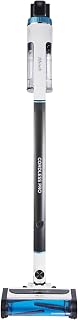
Stick vacuums are designed around convenience and manoeuvrability. Many cordless models combine the motor, dust container and cleaning head into a relatively slim unit, making them convenient for frequent cleaning and smaller living spaces. Dyson, Samsung, LG, Bosch and Shark are among the established brands consumers may encounter in this category.
The main advantage is accessibility: a stick vacuum can often be stored within easy reach and used for small spills or routine floor cleaning without setting up a larger machine. The trade-offs can include limited battery runtime, smaller dust capacity and the need to recharge between cleaning sessions.
When comparing cordless models, do not judge battery life from a single headline figure alone. Runtime can vary according to power mode, floor head, attachments and other operating conditions. Check whether the advertised runtime applies to the complete cleaning configuration you intend to use.
Barrel vacuums separate the main motor and dust collection body from the floor head. They remain a practical choice for consumers who prefer corded operation and do not want to manage rechargeable batteries. Models from brands such as Miele, Electrolux, Bosch and Numatic illustrate the range of designs available in this broader category.
A corded vacuum can be particularly useful for larger homes because cleaning time is not constrained by battery capacity. The disadvantages are greater storage requirements and the need to move the main body around while cleaning.
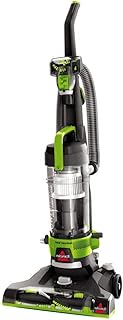
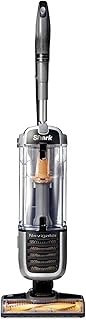
Upright cleaners place the main cleaning assembly close to the floor head and are commonly associated with carpet-focused cleaning. Their design can make repeated passes across larger carpeted areas straightforward, although manoeuvrability varies considerably between models.
For an upright vacuum, examine the steering mechanism, brush-roll configuration, height adjustment and whether the cleaner can reach beneath furniture. These details can matter as much as headline motor specifications.
Robot vacuums are intended to automate regular floor maintenance. Depending on the model, features may include scheduled cleaning, mapping, room selection, app control, obstacle avoidance, automatic return to the dock and automated dust handling. Roborock, Ecovacs, Dreame and iRobot are prominent names in this category.
A robot vacuum should not automatically be considered a replacement for a conventional vacuum. Its usefulness depends heavily on the home layout. Door thresholds, cables, clutter, stairs, thick rugs and furniture with low clearance can affect how effectively a robot can operate.
Some premium systems combine vacuuming with mopping, but buyers should assess the two functions separately. A machine that is convenient for hard-floor maintenance may still require a conventional vacuum for upholstery, stairs, edges, ceilings or other areas a robot cannot reach.
Handheld vacuums are useful for targeted cleaning rather than whole-house vacuuming. They can be convenient for car interiors, furniture, crumbs, shelves and small messes. When evaluating one, consider its weight, battery runtime, charging method, dustbin capacity and included crevice or upholstery tools.
Suction is an important consideration, but comparing vacuum cleaners solely by a single suction number can be misleading. Manufacturers may report different measurements under different conditions, and cleaning performance also depends on airflow, floor-head design, brush agitation, filtration and how well the head maintains contact with the surface.
For carpet, an effective powered brush head can be especially important because mechanical agitation helps lift embedded debris. For hard floors, the cleaning head should provide good contact without unnecessarily scattering fine particles.
The motor generates the airflow, but the cleaning head determines how effectively that airflow is applied to the floor. Look for a head suited to the surfaces in your home rather than assuming the most powerful specification will always deliver the best practical result.
Motorised heads are particularly useful when cleaning carpet and pet hair. Some designs use bristles, rubber elements or specialised anti-tangle systems to collect hair while reducing wrapping around the brush.
Filtration matters because a vacuum cleaner should capture the material it removes rather than simply redistribute fine particles into the room. HEPA filtration can be an important consideration for households prioritising fine-particle capture, but buyers should check the exact filtration claim and whether replacement filters are available.
Filtration performance is also affected by maintenance. A clogged filter can restrict airflow and reduce performance. A sophisticated filtration system therefore needs to be considered alongside filter-cleaning requirements, replacement intervals and the ongoing availability of compatible filters.
A larger dust container generally means fewer interruptions during cleaning, but capacity should be considered alongside the physical size of the vacuum. A compact cleaner may deliberately use a smaller bin to reduce weight and improve manoeuvrability.
Bagged and bagless designs also create different ownership considerations. Bagless vacuums avoid recurring dust bags but require the dust container and filters to be emptied or cleaned. Bagged systems can offer a more contained disposal process, although replacement bags become part of the ongoing cost.
For cordless models, battery specifications deserve careful attention. Compare the stated runtime at the power setting you are most likely to use rather than assuming the maximum advertised runtime represents everyday high-power operation.
Also check charging time, battery removability, whether an additional battery can be purchased, and how the manufacturer's battery warranty or replacement arrangements work. A replaceable battery can be particularly valuable for households that expect to keep the vacuum for many years.
Homes with substantial carpet coverage should prioritise a well-designed powered floor head, effective agitation and consistent airflow. Height adjustment or automatic surface adaptation can also be useful where different carpet piles are present.
Pay attention to whether the brush roll can be switched off. This can be helpful when moving from carpet to hard floors or when cleaning delicate surfaces that could be affected by an aggressive rotating brush.
For timber, laminate, tile, vinyl and other hard surfaces, a soft or appropriately designed floor head can help collect fine debris without excessive scattering. Edge-cleaning ability is also worth checking because dust and crumbs frequently accumulate along skirting boards and furniture edges.
Pet owners should evaluate the entire cleaning system rather than looking for a single “pet” label. Useful features can include a powered mini tool, anti-tangle brush design, strong filtration and an easy-to-empty dustbin.
For homes with long-haired pets, inspect how hair is removed from the brush roll and whether the manufacturer provides a practical way to access the brush for maintenance. A cleaner that performs well initially can become less effective if wrapped hair is difficult to remove.
Compact homes often benefit from lightweight equipment that is easy to store and deploy. A cordless stick vacuum can be convenient when the primary goal is frequent maintenance rather than long cleaning sessions.
Storage dimensions should be measured before buying. Remember to account for the dock, charging stand, wall-mounted accessories and the space required to remove the vacuum from its storage position.
For larger homes, cleaning range becomes more important. Corded vacuums remove battery limitations, while cordless systems may offer greater convenience if they have sufficient runtime or interchangeable batteries.
A robot vacuum can also be useful as part of a larger cleaning system, particularly when scheduled maintenance reduces the amount of loose debris that accumulates between deeper cleaning sessions.
Stairs present a practical challenge because the vacuum must be safe and manageable while cleaning vertical surfaces and individual steps. A lightweight stick or handheld configuration can be easier to handle than a heavy conventional machine.
Check the hose length, wand flexibility, stair tool and overall weight. A cleaner that performs exceptionally well on floors may still be inconvenient on stairs if the body is difficult to position securely.
If car interiors, sofas and other above-floor areas are important, attachment selection becomes a major buying factor. A crevice tool helps reach narrow gaps, while a brush or upholstery tool can be useful on fabric surfaces.
Cordless models can be particularly convenient for cars because there is no need to position a household power cord near the vehicle. However, check whether the model's battery capacity is sufficient for the cleaning session you expect to perform.
Two vacuum cleaners with similar cleaning specifications can feel completely different in daily use. Weight distribution is often more important than total weight because a top-heavy cordless cleaner can place more strain on the wrist during extended cleaning.
Examine handle shape, trigger or power-button operation, steering resistance and the ease with which attachments can be changed. If several people in the household will use the vacuum, a comfortable design can make a meaningful difference to how consistently it is used.
Noise is another practical consideration. Buyers in apartments or homes with sleeping children or noise-sensitive occupants may want to compare published sound information where available and look for independent measurements rather than relying only on marketing descriptions.
Neither configuration is automatically superior. The better choice depends on how you prefer to maintain the machine, the ongoing cost of consumables and how important contained disposal is to your household.
Consumers frequently search for HEPA vacuum cleaners, but the term should not be treated as a substitute for examining the complete filtration system. Check the manufacturer's stated filtration specification and determine whether the filter is washable, replaceable or intended for periodic replacement.
Maintenance is essential. Washing a filter that the manufacturer says should not be washed can damage the filtration system, while failing to clean a washable filter can restrict airflow. Always follow the maintenance instructions for the specific model.
Pet hair creates two separate challenges: collecting hair from the floor and preventing that hair from accumulating around the brush roll. Anti-tangle technology can reduce maintenance, but designs differ considerably.
When comparing pet-focused vacuum cleaners, examine whether the primary floor head is designed for hair, whether a powered mini brush is included, how easily the brush roll can be removed, and whether replacement parts are available. These practical details can matter more over several years of ownership than a promotional “pet” label.
Mapping systems allow compatible robot vacuums to build a representation of the home and can enable room-specific cleaning or scheduled routines. Buyers should determine whether the system supports the functions they actually need rather than choosing a model simply because it advertises mapping.
Robot vacuums encounter cables, shoes, toys, pet items and furniture legs. More advanced obstacle recognition can reduce interruptions, but no robot should be assumed to navigate every household perfectly.
Some robot vacuum systems use larger docking stations that can automatically empty the robot's dustbin. This can reduce the frequency of manual emptying, but it also introduces additional consumables, components and storage requirements.
Combined vacuum-and-mop systems can be convenient on sealed hard floors. However, buyers should investigate how the mop pad is washed, dried or replaced, whether the robot can avoid carpet while mopping, and how much manual preparation remains necessary.
Accessories can substantially change how versatile a vacuum cleaner is. Before paying more for a large attachment bundle, identify which tools you will genuinely use.
Regular maintenance can help preserve cleaning performance and reduce avoidable wear. The exact schedule varies by model, so the manufacturer's instructions should take priority.
The purchase price is only one part of the ownership equation. Before selecting a model, investigate whether commonly replaced components can be obtained through the manufacturer's established parts and accessories channels.
Potential consumables include filters, dust bags, batteries, brush rolls, mop pads and other specialised cleaning components. A lower-cost vacuum may become less attractive if essential consumables are difficult to source or unusually expensive.
Battery-powered models deserve particular attention because rechargeable batteries have a finite service life. Where possible, check whether the battery is user-replaceable or supported through the manufacturer's service network.
A useful comparison should go beyond star ratings. Create a shortlist based on the actual requirements of the home and then compare the following characteristics side by side:
More suction does not automatically mean better results on every surface. Cleaning performance is a combination of airflow, agitation, floor-head design, filtration and usability.
A model that is excellent for one surface may be less suitable for another. Consider the actual percentage of carpet, rugs and hard flooring in your home before choosing.
Advertised maximum runtime may not represent operation at the highest power setting. Check how the vacuum behaves in the modes you are most likely to use.
A long accessory list can look attractive, but unused tools do not improve cleaning. Prioritise the attachments that solve specific problems in your home.
Measure the available storage area before buying, particularly for robot vacuum docking stations and cordless cleaners that use wall-mounted or floor-standing docks.
Even a technically sophisticated vacuum requires filter, brush and dustbin maintenance. Consider how easy those jobs are before committing to a particular design.
There is no single price point that guarantees the right result. Instead, divide the budget according to the cleaning problems the vacuum needs to solve. A basic cleaner can be entirely appropriate for occasional cleaning in a small home, while a larger household may benefit from spending more on a durable floor head, filtration system, battery platform or automation.
When comparing prices, include recurring costs such as replacement bags, filters, batteries, brush components and robot vacuum consumables. The most useful comparison is therefore total ownership value rather than purchase price alone.
Australian shoppers can encounter a broad range of established vacuum-cleaner manufacturers. Brand reputation should be treated as a starting point for research rather than proof that every model from a manufacturer is suitable.
For any shortlisted model, compare the specific model's specifications rather than assuming features are shared across an entire brand range.
Customer reviews can provide useful information about day-to-day ownership, but they should be interpreted alongside specifications and manufacturer documentation. Look for repeated comments about the same issue rather than relying on one unusually positive or negative review.
Useful review signals include recurring comments about battery longevity, hair tangling, filter cleaning, dustbin capacity, noise, manoeuvrability, app reliability for robot vacuums and long-term parts availability. Also consider whether the reviewer appears to have the same floor types and household requirements as you.
Use this checklist when narrowing a long list of products down to two or three finalists. The best choice is the model that satisfies the most important requirements without introducing unnecessary compromises.
Vacuuming technique can influence results regardless of the brand or model. Move slowly enough to allow the floor head to collect debris, particularly on carpet. Empty the dust container before it becomes excessively full and maintain the filters according to the manufacturer's instructions.
On hard floors, use the appropriate cleaning head and avoid unnecessarily aggressive brush settings when the surface does not require them. On carpet, use a suitable powered head where available and make deliberate passes across areas that receive heavy foot traffic.
For pet hair, regular cleaning is usually easier than allowing hair to accumulate heavily. Upholstery and stairs may also require specialised tools rather than repeatedly using the primary floor head.
Some households can benefit from using two different vacuum formats. For example, a lightweight cordless stick vacuum can handle daily crumbs and surface debris, while a more substantial corded machine can be reserved for periodic deep cleaning.
A robot vacuum can also complement rather than replace a conventional cleaner. Automated floor maintenance may reduce everyday debris, while a conventional vacuum remains useful for stairs, furniture, corners, ceilings, cars and areas that robots cannot access.
The best vacuum cleaner for an Australian household is the one whose cleaning system fits the home rather than the model with the longest feature list. Start with floor types and cleaning habits, then evaluate suction and floor-head design, filtration, capacity, battery performance, ergonomics, attachments and maintenance requirements.
Before purchasing, compare the exact model number across reputable Australian retailers and the manufacturer's specifications. Check current pricing, warranty conditions, included accessories and the availability of replacement filters, bags, batteries and brush components. Product ranges can change, so the specification for one model should not be assumed to apply to another model from the same brand.
For a final shortlist, compare independent customer feedback with the technical specifications and your own household requirements. A well-matched mid-range vacuum can be more useful than an expensive machine whose specialist features you will rarely use.
There is no single format that suits every home. Cordless stick vacuums prioritise convenience, barrel vacuums can provide continuous corded operation, upright models can be well suited to substantial carpet, and robot vacuums focus on automated maintenance. The right choice depends on flooring, home size, storage and cleaning habits.
Many cordless models are designed for substantial household cleaning, but suitability depends on runtime, power modes, floor-head design and the size of the home. Larger homes may benefit from replaceable batteries or a corded alternative.
Robot vacuums can be worthwhile when automated regular cleaning is valuable and the home's layout is compatible with their navigation system. They are less likely to replace a conventional vacuum for stairs, upholstery, high surfaces and other areas outside the robot's reach.
Look for a cleaner with an effective powered brush, good hair-management design, suitable filtration and a practical way to clean the brush roll. A motorised mini tool can also be useful for furniture and stairs.
A high-quality filtration system can be an important consideration for people who want effective fine-particle capture. Check the manufacturer's exact filtration claims and maintenance requirements rather than selecting a vacuum based solely on the word HEPA.
The correct interval depends on the model, filter type and usage. Follow the manufacturer's maintenance schedule. Filters should not be washed unless the manufacturer specifically states that they are washable.
Compare realistic runtime, charging time, battery replacement options, weight, dust capacity, cleaning-head design, filtration, attachments and the availability of replacement parts. Maximum advertised runtime should not automatically be treated as high-power cleaning runtime.
Consider navigation and mapping, obstacle avoidance, threshold clearance, carpet performance, docking requirements, app functions, dustbin capacity and maintenance. If mopping is included, also examine how the mop system is cleaned and maintained.
Both have advantages. Bagged models can provide contained dust disposal, while bagless designs eliminate the need for disposable bags. Compare maintenance preferences and ongoing consumable costs before deciding.
Consider both. Cleaning performance is influenced by suction, airflow, agitation, filtration and the way the floor head interacts with the surface. A suitable cleaning head can be especially important for carpet and pet hair.
Look beyond headline numbers. Compare weight, ergonomics, floor heads, filtration, battery behaviour, capacity, maintenance, included tools, replacement parts, warranty information and the suitability of each model for your actual flooring.
For an Australian buyer, the strongest shortlist starts with the home rather than the brand. Identify the surfaces that need cleaning, the frequency of use, the presence of pets, the importance of portability and the amount of storage available. Then compare individual models using measurable specifications and practical ownership considerations.
As product specifications, ranges and prices can change during 2026, always verify the exact model details, current Australian pricing, included accessories, warranty terms and consumable availability immediately before purchasing. This approach helps turn a generic “best vacuum cleaner” search into a more useful decision based on the requirements of your household.