

♥ Wishlist
Compare 47 verified Patio Chairs and Loungers for Comfortable Outdoor Living products in Australia. Reviews, ratings, pros, cons and buying advice updated for October 2026.


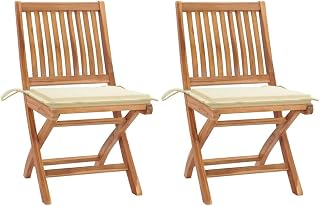


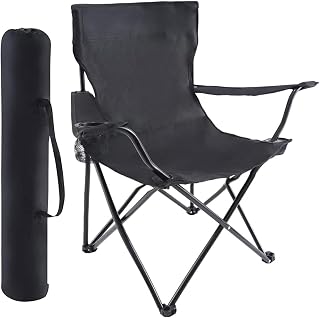


The right outdoor chair or lounger should be selected for the conditions it will face, not simply for appearance. Australian patios, balconies, decks and poolside areas can expose furniture to strong sunlight, rain, humidity, salt air, dust and substantial temperature changes. A chair that looks excellent in a product photograph may therefore be a poor choice if its frame, fabric, fasteners or cushioning are unsuitable for your particular outdoor environment.
When comparing patio chairs and loungers, consider the intended location, available space, frequency of use, required comfort, frame construction, upholstery, weight capacity, adjustability, portability and storage requirements. It is also worth comparing care instructions and replacement-part availability where relevant. Customer reviews can provide useful information about assembly, comfort and long-term usability, but specifications should always be checked separately because individual experiences can vary.
A patio chair is generally designed for upright or moderately reclined sitting, making it suitable for dining, conversation, reading and everyday outdoor use. A lounger places greater emphasis on relaxation and may include an extended seat, reclining backrest, foot section or a flatter sleeping position.
If your main purpose is outdoor dining, an upright chair with a supportive back and manageable seat height is usually more practical. For reading beside a pool or spending extended periods relaxing on a deck, an adjustable lounger can provide greater versatility. Some outdoor recliners occupy a useful middle ground, combining an upright sitting position with several reclining angles.
The frame is one of the most important indicators of an outdoor chair's suitability. Common materials include aluminium, steel, stainless steel, hardwood and engineered outdoor materials. Each has different implications for weight, corrosion resistance, appearance, maintenance and durability.
Do not judge a frame solely by its material name. Tube thickness, joints, weld quality, hardware, reinforcement and overall engineering can make a major difference between products using apparently similar materials.
Outdoor upholstery needs to balance comfort with resistance to moisture, sunlight and repeated use. Look for fabrics specifically identified by the manufacturer as suitable for outdoor applications rather than assuming that any polyester or synthetic textile will perform equally well outdoors.
Important considerations include UV resistance, water behaviour, breathability, drying time, stain resistance, colour retention and whether covers can be removed for cleaning. Cushions that remain wet for extended periods can develop unpleasant odours and deterioration even when the surrounding frame is highly weather resistant.
Australian sunlight makes UV resistance an especially important consideration. Prolonged exposure can gradually fade fabric, weaken some plastics and deteriorate coatings or finishes. A product described as suitable for outdoor use is not necessarily intended to remain permanently exposed to direct sun.
For an uncovered patio, compare the manufacturer's guidance regarding UV exposure and consider using a suitable protective cover when furniture is not being used. A shaded position can substantially reduce exposure, but it should not be treated as a substitute for appropriate outdoor-rated materials.
Outdoor furniture is exposed to more than rain. Coastal properties may encounter salt-laden air, while inland areas can experience dust, dry heat and significant temperature fluctuations. Poolside furniture may also encounter chlorinated or treated water.
Inspect the specifications for corrosion-resistant hardware, outdoor-rated coatings and appropriate drainage. Pay particular attention to screws, hinges, bolts and adjustment mechanisms because small metal components can become failure points even when the main frame remains in good condition.
Always check the stated maximum user weight or load rating where the manufacturer provides one. Do not assume that a visually substantial chair automatically has a high load capacity.
Stability is equally important. A lightweight chair can be convenient to move but may be more vulnerable to strong wind when left outdoors. Consider the chair's footprint, centre of gravity and whether it can be stored securely during severe weather.
Adjustable loungers can offer significantly more flexibility than fixed models, but every additional mechanism creates another component that requires inspection and care. Compare the number of positions, locking method, ease of adjustment and whether the mechanism can be operated while seated.
For frequent use, smooth adjustment and secure locking are generally more important than having a large number of positions. Avoid selecting a complicated mechanism simply because it offers more settings if your actual use only requires two or three comfortable angles.
Coastal environments require particular attention to corrosion resistance. Salt air can accelerate deterioration of exposed metal components, particularly where protective finishes have been scratched or damaged. Stainless steel components, corrosion-resistant aluminium construction and outdoor-rated synthetic materials can be worth prioritising.
Regular freshwater cleaning can also help remove salt deposits. Check the manufacturer's cleaning instructions rather than using aggressive chemicals that could damage finishes or fabrics.
Prioritise UV-resistant fabrics and finishes, adequate ventilation and materials designed for prolonged outdoor exposure. Dark upholstery can become very warm under direct sunlight, so comfort should be considered alongside colour preference.
A shade structure, umbrella or suitable furniture cover can reduce exposure and help preserve appearance. Covers should be used according to manufacturer guidance because trapping moisture beneath an unsuitable cover can create its own problems.
Pool furniture should tolerate occasional splashes and be easy to clean. Quick-drying cushions and fabrics can be particularly useful. Avoid assuming that waterproof means completely maintenance-free; seams, drainage openings, hinges and underside surfaces can still retain moisture.
A covered patio provides additional protection from direct sun and rain, allowing a wider range of outdoor furniture to be considered. Nevertheless, furniture placed under a roof can still experience humidity, airborne dust and indirect UV exposure, so outdoor-rated construction remains preferable.
Comfort depends on more than cushion thickness. Seat depth, seat height, back angle, lumbar support, armrest height and the relationship between the seat and backrest all influence how a chair feels during extended use.
Measure the available area before selecting outdoor furniture. Include clearance for reclining, walking around the furniture and opening nearby doors. A lounger that fits when fully upright may require considerably more floor space when reclined.
For balconies, weight and storage deserve additional attention. Compact folding chairs or stackable designs can be easier to manage where floor space is limited. For larger patios, a combination of upright chairs and one or more loungers can provide separate zones for dining and relaxation.
Do not measure only the chair's stated dimensions. If the backrest reclines or the footrest extends, determine the maximum occupied footprint. This prevents common problems such as blocking a walkway or placing the lounger too close to a wall.
When reviewing individual products, create a consistent comparison rather than relying on product photography. The following specifications can help distinguish similar-looking models:
Brand familiarity can be a useful starting point, but it should not replace product-level comparison. Established outdoor and home-furnishing names such as Keter, Outsunny, vidaXL, Devoko, SONGMICS and IKEA may appear across different outdoor furniture categories and price segments. Product specifications can vary considerably within the same brand, so compare the exact model rather than assuming that every product from a particular manufacturer has identical construction.
For higher-value purchases, check the manufacturer's stated material specifications, care instructions, dimensions and load information. Where multiple retailers list the same model, compare the exact model number and included components before comparing prices.
A stylish chair can still be uncomfortable, difficult to maintain or unsuitable for exposed outdoor conditions. Treat appearance as one criterion rather than the deciding factor.
Outdoor furniture often looks compact in photographs. Always compare actual measurements against your patio, balcony or deck and allow additional clearance for movement.
Water-resistant materials still benefit from regular cleaning and proper drying. Cushions, seams and mechanical components can require particular attention.
Inspect the specification for the materials used in bolts, hinges and adjustment components. Hardware can have a significant effect on long-term usability.
A spacious outdoor area can quickly become crowded once loungers are fully reclined. Decide how many people actually need reclining seating and whether some chairs could serve multiple purposes.
If severe weather is common where you live, consider where the furniture will go when it is not being used. Folded dimensions can be just as important as assembled dimensions.
Customer feedback can add useful context to specifications, particularly for comfort, assembly and day-to-day usability. However, isolated reviews should not be treated as definitive evidence of product quality.
Look for recurring observations rather than a single enthusiastic or negative comment. Reviews mentioning the same issue across different purchasers may warrant closer inspection of the manufacturer's specifications. Also distinguish between complaints caused by incorrect assembly, unsuitable outdoor exposure or unrealistic expectations and genuine recurring design concerns.
Regular maintenance can help preserve outdoor furniture and identify problems before they become serious. The correct procedure depends on the materials and the manufacturer's instructions.
Remove loose dirt and debris before cleaning surfaces. Use cleaning products appropriate for the specific frame and fabric. Avoid abrasive tools or harsh chemicals unless the manufacturer explicitly recommends them.
Follow the care label for removable covers and cushions. Allow damp components to dry thoroughly before storing them. If cushions become saturated, position them so air can circulate around all sides where practical.
Periodically check joints, fasteners, welds, hinges and adjustment points. Look for corrosion, cracks, loose components, damaged coatings or unusual movement.
Lightweight chairs and loungers can potentially be moved to a sheltered location when strong winds or severe weather are expected. Where furniture is too heavy to move easily, consider a stable, manufacturer-compatible storage or protection solution.
The lowest purchase price does not necessarily represent the lowest long-term cost. A more expensive chair may provide features or construction characteristics that better match frequent use, harsh exposure or a demanding environment. Conversely, paying more for features you will rarely use may not provide meaningful value.
Consider the total ownership requirements: durability, maintenance, storage, comfort, space efficiency and whether the design suits your actual usage. A straightforward chair with robust construction can be a better choice than a feature-heavy lounger that is difficult to maintain.
Prioritise an upright sitting position, suitable seat height, supportive backrest and compatibility with your dining table. Armrests should be checked against the table height before purchasing.
A moderately reclined backrest, supportive cushioning and stable armrests can make a chair more suitable for reading. Adjustable positioning is useful if different users prefer different angles.
Look for easy-clean, quick-drying outdoor materials and a design that allows water to drain effectively. Wheels can be convenient on suitable surfaces, while a folding design may simplify storage.
Prioritise compact dimensions, folding or stackable construction and low storage requirements. Measure the balcony carefully and ensure that the furniture does not obstruct access.
For frequent gatherings, consider lightweight chairs that can be rearranged quickly, supplemented by one or two more comfortable loungers for relaxed seating.
Focus on weather-appropriate materials, corrosion resistance, UV-resistant upholstery and manageable maintenance. A protective storage strategy can be just as important as the initial furniture specification.
Outdoor seating should be placed on a stable, suitable surface. Follow the manufacturer's weight limits and instructions for reclining mechanisms, folding frames and locking systems.
Keep fingers clear of hinges and folding joints during adjustment. Do not use damaged furniture where structural components, fasteners or locking mechanisms appear compromised. Children should not be allowed to play on reclining or folding furniture unless the manufacturer specifically states that it is suitable for such use.
When two products appear almost identical, compare them specification by specification rather than relying on branding or photographs. Start with frame construction and maximum load, then examine fabric, dimensions, adjustment mechanisms and storage characteristics.
Next, consider practical differences. Does one have a removable cushion? Does one fold more compactly? Does one provide a more useful reclining range? Is one easier to clean? Does either product require more frequent protection from weather? These differences can matter more than small variations in appearance.
There is no single best patio chair for every Australian household. The right choice depends on whether you need dining seating, occasional relaxation, poolside furniture, balcony seating or a chair that will remain exposed to the elements. Compare construction, comfort, dimensions, weather suitability and maintenance requirements before choosing.
There is no universally superior material. Aluminium is attractive for lightweight, corrosion-resistant construction, while suitable steel can provide a substantial frame. Hardwood offers a different appearance and maintenance profile, and outdoor-rated synthetic materials can provide low-maintenance alternatives. The specific construction and finish matter as much as the broad material category.
Not necessarily. Outdoor furniture may use water-resistant or weather-suitable materials without being designed to remain continuously saturated. Check the manufacturer's exact guidance for the frame, fabric and cushions.
Some outdoor furniture is designed for extended outdoor use, but the appropriate level of protection varies with material, climate and exposure. Even outdoor-rated products can benefit from shade, cleaning, drying and protection during severe weather.
Neither is automatically better. Aluminium can be advantageous where low weight and corrosion resistance are priorities, while steel can offer a heavier, sturdy feel. Compare the actual frame design, protective finish, hardware and intended environment.
Folding loungers can be particularly useful when storage space is limited or furniture must be moved regularly. Their value depends on whether the folding mechanism is robust, easy to operate and appropriate for your frequency of use.
Use shade where practical, clean the furniture according to the manufacturer's instructions, allow wet cushions to dry thoroughly and move or protect furniture during severe weather where appropriate. A suitable outdoor cover can provide additional protection when used correctly.
Prioritise easy-clean materials, suitable moisture resistance, drainage, stable construction and comfortable reclining positions. Check that the product is appropriate for the conditions around your pool.
It is an essential specification. Select furniture with a stated load capacity appropriate for the intended user and follow the manufacturer's instructions. Do not estimate capacity from appearance alone.
The appropriate frequency depends on exposure and use. Furniture exposed to dust, pollen, salt air, pool water or frequent food and drink spills may require more regular cleaning than furniture kept in a protected area. Follow the manufacturer's cleaning recommendations.
Before selecting a patio chair or lounger, think beyond the immediate appearance and purchase price. The strongest choice is the one whose construction, dimensions, comfort and maintenance requirements match the environment in which it will actually be used.
For Australian buyers in August 2026, the most useful comparison is ultimately between the furniture's real-world requirements and its documented specifications. A well-matched patio chair or lounger should provide the right combination of comfort, stability, weather suitability, ease of care and space efficiency for your particular outdoor setting.