

♥ Wishlist
Compare 51 verified Inline Roller Skates for Every Skating Adventure products in Australia. Reviews, ratings, pros, cons and buying advice updated for October 2026.


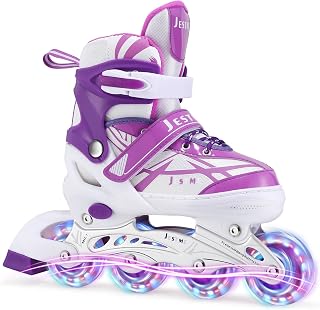


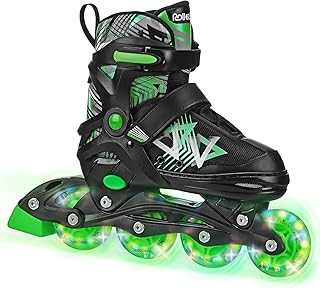


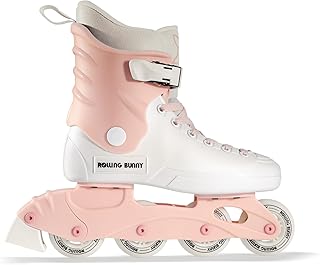


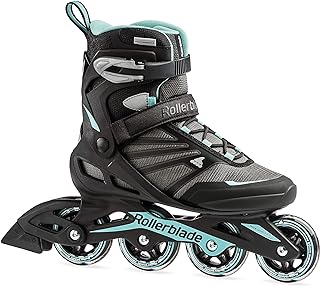


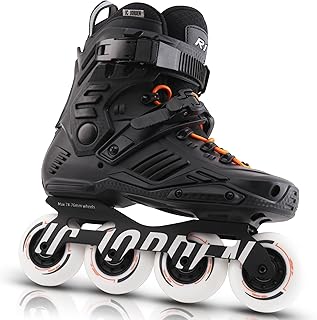


Choosing inline skating equipment is not simply a matter of selecting the highest-rated product. The right setup depends on skating ability, intended terrain, foot shape, riding style, frequency of use and the level of protection required. A beginner skating casually on shared paths has different requirements from an experienced skater using an urban setup, fitness skates or a speed-oriented configuration.
For Australian buyers, it is also worth considering the local environment. Hot weather, abrasive outdoor surfaces, long paved paths, mixed-use trails and differences between urban and regional skating locations can all affect which equipment makes sense. Before buying, compare the construction, sizing information, wheel configuration, bearings, braking system, protective equipment and replacement-part availability rather than relying on star ratings alone.
A complete inline skating setup normally consists of skates plus appropriate protective equipment. Depending on your experience and intended use, useful accessories can include a helmet, wrist guards, knee pads, elbow pads, skating socks, replacement wheels, spare bearings and a suitable carrying bag.
Brand reputation can be a useful starting point, but it should not replace specification-level comparison. Established skating brands such as Rollerblade, Powerslide, FR Skates, K2, Roces and Micro offer different approaches to recreational, fitness, urban and specialist skating equipment. Individual models can differ substantially even within the same brand.
When comparing brands, look beyond the logo. Examine the boot construction, frame material, wheel size, wheel hardness, bearing specification, closure system, brake arrangement and replacement-part compatibility. A less expensive skate with the wrong configuration for your needs can represent poorer value than a better-matched model.
Fitness-oriented inline skates are designed for users who want to cover moderate or longer distances comfortably rather than perform highly technical tricks. They commonly prioritise stability, rolling efficiency and comfort.
This category can be particularly suitable for Australian users who plan to skate on paved bicycle paths, recreational trails, parks and smooth suburban surfaces. When comparing models, consider wheel diameter and boot ventilation alongside fit and support.
Beginners generally benefit from predictable handling rather than maximum speed. A stable configuration can make learning fundamental skills such as balance, marching, gliding, turning and controlled stopping easier.
New skaters should pay particular attention to fit. Inline skates should hold the heel securely while allowing the toes to sit naturally. Excessive movement inside the boot can reduce control, while an overly tight fit can cause discomfort and make longer sessions unpleasant.
Wheel size, frame geometry, boot support and the overall height of the skating platform can influence how a skate feels underfoot. Beginners should not assume that larger wheels automatically make a product better. Larger wheels can provide different rolling characteristics, but the ideal configuration depends on skill level and intended use.
Urban skates are aimed at users who expect to deal with changes in surface, tighter turns, obstacles and frequent acceleration or stopping. They can be appropriate for experienced skaters who need manoeuvrability around streets, paths and other built environments.
Urban equipment should be assessed for frame strength, boot support, wheel configuration and the availability of replacement components. If you regularly encounter rough pavement, cracks or uneven transitions, wheel selection becomes particularly important.
Adult recreational skaters often need a balance between comfort, durability and manageable performance. The ideal product does not necessarily need specialist racing components or an aggressive setup. A comfortable boot and appropriately selected wheel configuration may be more valuable for casual weekend use.
Consider how long a typical skating session will last. A skate that feels comfortable for a few minutes in a shop or during initial fitting may feel very different after an extended outdoor session. Pay close attention to the manufacturer's sizing guidance and compare foot measurements rather than relying solely on your normal shoe size.
Skaters intending to travel longer distances should evaluate rolling efficiency, boot comfort and wheel configuration together. Large wheels can provide efficient rolling characteristics, but they also alter acceleration, manoeuvrability and the feel of the skate.
For longer sessions, ventilation and pressure distribution can be just as important as headline specifications. A technically impressive skate that creates pressure points is unlikely to be a good choice for regular distance skating.
Children's inline skating equipment requires additional attention to fit, adjustment and protection. Some children's models use adjustable sizing so the skate can accommodate foot growth over a specified range. Buyers should confirm the actual adjustment range rather than assuming every adjustable skate accommodates the same amount of growth.
A child's protective equipment should also fit the child correctly. Oversized knee pads, loose wrist guards or a helmet that moves substantially when fitted correctly can reduce the effectiveness of the protective setup.
Protective equipment should be treated as part of the skating system rather than an optional collection of accessories. Beginners are especially likely to experience falls while learning balance and stopping techniques.
Choose a helmet designed and certified for the relevant activity and applicable Australian requirements. Fit is critical. The helmet should sit correctly on the head, remain stable during movement and be secured according to the manufacturer's instructions.
Wrist guards can help protect the hands and wrists during falls. Compare the quality of the palm area, wrist support, fastening system and overall fit. The guard should remain correctly positioned without restricting normal hand movement.
Compare pad coverage, shell construction, cushioning, fastening systems and ventilation. A protective pad that shifts significantly during movement may not provide the intended coverage.
Wheel selection can substantially change the way inline skates behave. Important specifications include diameter, hardness, profile and construction.
Wheel diameter affects acceleration, top-end rolling characteristics, manoeuvrability and overall ride feel. Smaller wheels are commonly easier to control for developing skaters, while larger configurations can favour efficient rolling for users with the necessary control.
Do not compare wheel diameter in isolation. Frame compatibility, boot design, number of wheels and the skater's experience all matter.
Wheel hardness is commonly represented using a durometer rating. Softer wheels can offer different levels of grip and vibration absorption, while harder wheels can provide different rolling and durability characteristics. The most suitable hardness depends on the surface and skating style.
For outdoor Australian paths, the actual pavement condition should be considered. A specification that works well on a smooth indoor floor may not produce the same experience on coarse outdoor asphalt.
Bearings are another specification that often receives disproportionate attention from buyers. A bearing rating alone does not tell the complete story of real-world skating performance.
Cleanliness, lubrication, seals, manufacturing quality, wheel condition and the skating surface can all affect how a skate rolls. Avoid assuming that a higher numerical bearing designation automatically means a dramatically faster or better skate.
The frame connects the wheels to the boot and plays an important role in handling and stability. Frame material, length, mounting design and wheel configuration should be considered together.
Aluminium and composite constructions can produce different combinations of stiffness, weight and riding characteristics. A rigid frame may provide a direct and responsive feel, while the best choice for a beginner may be determined more by stability and control than by minimum weight.
A useful comparison should start with intended use rather than price. Create a short specification checklist and compare each candidate against the same criteria.
One of the most common purchasing mistakes is selecting inline skates solely according to everyday shoe size. Different skate brands and models can have different internal shapes, and some recreational footwear is deliberately designed around a close performance fit.
Measure your feet according to the manufacturer's instructions and compare the result with the specific model's sizing chart. If your feet differ in length, use the larger measurement when determining the appropriate size and pay attention to width and boot shape.
Hard-shell skates can provide a supportive and structured feel. They are often worth considering when stability, durability and responsiveness are priorities. Their fit characteristics can differ significantly from soft recreational boots, so the shell shape and liner should be assessed carefully.
Soft boots often emphasise comfort, ventilation and recreational usability. They may suit casual fitness skating and users who prioritise a forgiving feel during longer sessions.
Neither construction is universally better. The correct choice depends on skating style, experience, foot shape and personal preference.
Three-wheel configurations have become a prominent option in modern inline skating. Larger three-wheel setups can provide efficient rolling characteristics while retaining a relatively compact wheel footprint, but they can also feel different from traditional four-wheel configurations.
Four-wheel skates can provide a familiar and stable platform and are available across a wide range of recreational, fitness and specialist designs. Beginners should consider how much manoeuvrability and speed they can comfortably control rather than selecting a configuration solely because it has larger wheels.
Stopping ability should be one of the first considerations for anyone purchasing inline skates. Some skates include a heel brake, while other designs may allow a brake to be installed or removed depending on compatibility.
Check whether the braking system is included, whether it is compatible with the skate configuration and whether replacement brake components are available. Advanced stopping techniques should not be assumed to be an immediate substitute for a properly fitted brake on a beginner-oriented setup.
Before skating in public areas, practise controlled stopping in a safe location where there is sufficient space and minimal traffic.
The skating environment should influence the equipment you choose. Smooth indoor surfaces behave differently from outdoor asphalt, concrete paths and rougher recreational trails.
Smooth, well-maintained pavement generally places fewer demands on wheels and can provide a more predictable skating experience.
Rough surfaces can transmit more vibration through the wheels and boot. Wheel characteristics become particularly important when selecting equipment for this type of terrain.
When skating on shared paths, control and awareness are more important than maximum speed. Choose equipment that allows you to slow down and manoeuvre predictably around pedestrians, cyclists and changing conditions.
The cheapest skate is not necessarily the best value. Consider the complete ownership cost, including replacement wheels, bearings, brakes and protective equipment.
Larger wheels can offer advantages for experienced skaters, but they also change handling characteristics. Beginners should prioritise controllability and confidence.
Wheels, bearings and brake components are wear items. Before purchasing, check whether compatible replacement parts are realistically available in Australia.
Skate fit should be based on the manufacturer's sizing information and your actual foot measurements.
A pair of expensive skates does not compensate for inadequate protective equipment. Budget for a complete setup rather than spending the entire budget on the skates alone.
Performance-oriented equipment can require greater skill and may be less forgiving. The best product is the one whose characteristics match the user's current ability and intended use.
Brand is useful for identifying established product ranges and replacement ecosystems, but model-level specifications matter more. Rollerblade, Powerslide, FR Skates, K2, Roces and Micro all have products associated with different skating categories, so comparing one brand against another without comparing equivalent models can be misleading.
Look for consistency between the manufacturer's specifications, sizing information and intended-use description. Independent customer feedback can then help identify practical issues such as comfort, sizing tendencies or long-term wear, while recognising that individual experiences vary.
Customer reviews can provide useful information, but they should be interpreted carefully. A high average rating does not automatically mean a skate is appropriate for every buyer.
Regular maintenance can help keep inline skates functioning correctly and makes it easier to identify worn components before they become a larger problem.
Inspect the wheels, frames and boot for accumulated dirt, stones and other debris. Outdoor surfaces can introduce contaminants that affect wheels and bearings.
Inline skate wheels can wear unevenly, particularly when a skater repeatedly applies pressure in the same direction. Appropriate wheel rotation can help manage uneven wear. Follow the wheel and frame manufacturer's recommended procedure for the specific configuration.
Bearings should be inspected when rolling becomes rough, noisy or inconsistent. Cleaning and lubrication procedures vary by bearing design, so follow the manufacturer's maintenance guidance rather than applying generic methods blindly.
If the skates use a heel brake, regularly inspect the brake pad for wear. A significantly worn brake can alter stopping performance and should be replaced when required by the manufacturer's guidance.
Replacement wheels should match the frame's maximum compatible diameter and the intended skating style. Wheel diameter, hardness, profile and hub construction can all influence compatibility and ride characteristics.
Do not assume that every inline wheel will fit every skate. Confirm axle dimensions, spacers, frame clearance and other compatibility requirements before purchasing replacements.
Bearings and spacers work together inside the wheel assembly. Incorrect or missing spacers can affect wheel alignment and bearing loading, so replacement components should be compatible with the skate's hardware.
When buying replacement parts, identify the exact skate model and wheel configuration first. This reduces the risk of purchasing components that appear similar but do not fit correctly.
Indoor skating often places different demands on wheels and manoeuvrability than outdoor skating. Indoor floors can be smoother and more predictable, whereas outdoor paths may contain dust, rough aggregate, cracks and changes in surface texture.
If you intend to use one pair of skates in multiple environments, select a configuration that represents a sensible compromise rather than optimising exclusively for one surface.
Inline skating can provide a demanding form of recreational exercise while also developing balance and coordination. Equipment selection should therefore consider session duration and comfort as well as performance.
For frequent skating, foot comfort, secure support and manageable rolling characteristics can be more important than cosmetic features. A product that encourages consistent use may be a better choice than one with more aggressive specifications that do not suit the user.
When comparing the best inline skating products in Australia, consider the total setup rather than the skate price alone. A realistic budget may need to cover skates, helmet, wrist guards, knee pads, elbow pads and eventual replacement components.
For regular skaters, replacement wheels and bearings should be treated as normal consumable expenses rather than unexpected failures. This is particularly relevant when comparing a premium skate with readily available replacement components against a cheaper product with fewer compatible parts.
Premium specifications are worthwhile only when they provide a meaningful benefit for your intended use. A recreational beginner may gain more from better fit and comfort than from an advanced frame. Conversely, an experienced urban or fitness skater may value frame construction and wheel configuration more strongly.
Use the following priority order as a starting point: fit and safety first, intended use second, appropriate wheel and frame configuration third, durability and replacement parts fourth, and cosmetic features last.
Inline skating should be approached as an activity where falls and collisions are possible. Wear appropriate protective equipment, learn braking and turning techniques progressively, and select skating locations appropriate to your skill level.
Australian road, path and local-area rules can differ according to location and circumstance. Before skating in public areas, check the applicable rules for your state or territory and observe signs, shared-path requirements and local restrictions.
Weather also deserves consideration. Wet surfaces can substantially change traction and stopping behaviour. Extreme heat can make protective equipment uncomfortable and can affect how long you can safely skate. Plan sessions around the conditions rather than treating the equipment specification as a substitute for environmental awareness.
When reviewing a top-10 list, the most useful comparison is not simply first place versus tenth place. Instead, identify what each product is designed to do best and whether that characteristic matches your needs.
No. Price can reflect construction, components and intended performance, but the most expensive model may not be the most suitable for a beginner or casual skater. Match specifications to your actual needs.
A smaller wheel configuration can be easier for developing skaters to control, but the complete frame and wheel setup matters. Choose according to the manufacturer's intended-use guidance and your skating ability.
A brake can be particularly useful while learning. Whether one is necessary depends on your skill level, skate design and stopping technique. Check compatibility before buying a model without a brake.
There is no universal replacement interval. Wear depends on skating frequency, surface, wheel material, skating technique and wheel hardness. Inspect the wheels regularly and replace them when wear materially affects performance or safety.
Sometimes, but only within the limits of the frame and manufacturer's compatibility specifications. Never assume that a larger wheel will clear the frame or that a different wheel configuration will preserve the original handling characteristics.
Neither is universally superior. Soft boots can emphasise comfort, while hard-shell designs can provide a more structured and supportive feel. Foot shape, skating style and personal preference should determine the choice.
There is no single best option for every Australian buyer. The right choice depends on whether you need beginner, recreational, fitness, urban, children's or specialist equipment. Compare fit, wheel configuration, frame design, braking options and replacement-part availability before deciding.
Look for a secure and comfortable fit, appropriate ankle support, predictable handling, manageable wheels, a suitable braking system and compatibility with protective equipment. Avoid choosing solely on wheel size or price.
Rollerblade, Powerslide, FR Skates, K2, Roces and Micro are established names that can be included in a comparison. Always evaluate the individual model because specifications and intended uses differ within each brand.
A properly fitted helmet, wrist guards, knee pads and elbow pads form a sensible protective starting point. Choose equipment appropriate to the activity and verify applicable Australian safety requirements for the products you purchase.
The best wheel size depends on experience, terrain and skating style. Larger wheels can change rolling efficiency and handling, while smaller wheels can offer different control characteristics. Match the wheel size to the complete frame and your ability rather than selecting a size in isolation.
The heel should remain securely positioned and the foot should not slide excessively inside the boot. Your toes should not be forced into an uncomfortable position, and there should not be persistent pressure points. Always compare your measurements with the specific manufacturer's sizing chart.
Inline skates are generally better suited to suitable paved surfaces than heavily damaged roads. Rough asphalt, cracks, gravel and debris can significantly affect control and comfort. Choose smooth, appropriate skating surfaces whenever possible.
Not necessarily. However, if you intend to skate frequently, understanding the cost and availability of replacement wheels is important. Wheels are wear components, and their lifespan depends on usage and surface conditions.
Focus on repeated feedback about fit, comfort, durability, wheel performance and component quality. Give greater weight to reviews from users with similar experience levels and skating environments.
A useful independent buying guide should distinguish between products that are genuinely designed for different purposes rather than pretending every model competes on identical terms. For this reason, compare each candidate according to its intended skating discipline, construction, fit, wheel configuration, protection requirements, maintenance needs and long-term ownership considerations.
Product specifications can change between model years, retailers and regional versions. Before making a purchase in Australia, verify the current specification, included components, sizing information, availability and retailer terms. Customer reviews should be considered alongside manufacturer information rather than treated as a substitute for it.
The best inline roller skating product for an Australian buyer is the one that matches the skater rather than simply carrying the highest rating or the most impressive specification. Beginners should generally concentrate on fit, stability, braking and protection. Fitness skaters should place greater emphasis on comfort and efficient rolling. Urban and experienced skaters may prioritise frame construction, manoeuvrability and component compatibility.
Before buying, compare the complete specification, measure your feet carefully, consider your normal skating surfaces and investigate replacement parts. Check current Australian retailer information and verified customer reviews before making the final decision. A well-matched setup can provide a much better ownership experience than a product selected purely by price, brand name or headline specifications.