

♥ Wishlist
Compare 38 verified Digital Watches Australia for Everyday, Sports & Smart Wear products in Australia. Reviews, ratings, pros, cons and buying advice updated for October 2026.


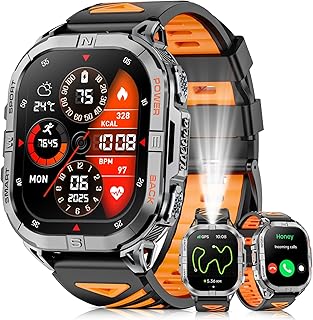


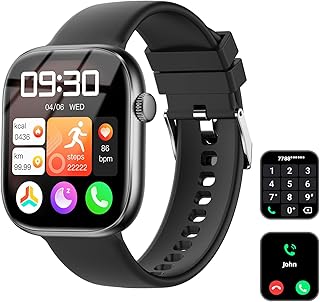


Choosing a digital watch is not simply a matter of picking the display style you like most. The best choice depends on how you intend to use the watch, the conditions it will face, the functions you actually need and the amount you are comfortable spending. Australian buyers may use a digital watch for everyday wear, work, sport, outdoor activities, travel or as a straightforward alternative to a smartwatch.
Before comparing individual models, consider the fundamentals: display readability, battery type, water resistance, case construction, strap comfort, dimensions, alarm and timer functions, backlight quality, accuracy, durability and ease of operation. A watch that performs exceptionally well for outdoor use may be unnecessarily bulky for office wear, while an inexpensive everyday model may not provide the protection or functionality needed for swimming, hiking or demanding work environments.
Digital watches range from extremely simple timepieces to highly capable watches with multiple sensors, connectivity features and activity-tracking functions. Comparing the feature list alone can be misleading. The more useful question is whether each feature is practical for your intended use.
The display is one of the most important parts of a digital watch because even a durable watch becomes frustrating if the information is difficult to read. Look at the size of the digits, contrast between the display and background, viewing angle and performance in bright outdoor conditions.
Traditional positive displays generally use dark digits on a lighter background and can be particularly easy to read in daylight. Negative displays use lighter digits against a darker background and can provide a distinctive appearance, although readability may vary according to lighting, viewing angle and the particular display technology used.
A backlight or illumination system is useful when checking the time in low-light conditions. Buyers should also consider whether illumination activates easily without accidentally pressing other buttons.
Battery life varies substantially between digital watches. A conventional digital watch with a simple quartz movement can have very different power requirements from a feature-rich smartwatch or connected fitness watch.
When comparing battery claims, distinguish between an estimated battery life under specified conditions and the practical experience of using functions such as alarms, illumination, sensors or wireless connectivity frequently. Some watches use replaceable batteries, while rechargeable models require periodic charging.
For buyers who want a low-maintenance watch, long battery life can be more important than having a large collection of rarely used functions. A rechargeable watch may be more suitable for someone who already charges several personal devices regularly.
Water resistance deserves particular attention because terms such as waterproof, water resistant and depth ratings can be misunderstood. Buyers should use the manufacturer's stated rating and instructions rather than treating a numerical rating as a guarantee that the watch can be used in every water-related situation.
The case protects the internal components and strongly influences weight, comfort and durability. Common materials include resin or other plastics, stainless steel and combinations of different materials.
Resin-based cases are common in practical sports and outdoor watches because they can keep weight relatively low while providing a degree of impact protection. They are often paired with flexible resin straps for a secure fit during exercise.
Stainless steel can provide a more traditional appearance and may suit buyers who want a digital watch that works with casual or workplace clothing. The additional material can increase weight, so case construction should be considered alongside overall dimensions.
The display window may be made from different materials, each involving trade-offs between cost, scratch resistance, impact performance and optical clarity. Buyers who work outdoors or regularly expose a watch to rough conditions should pay particular attention to the manufacturer's description of the display material.
A highly scratch-resistant surface can be useful for everyday wear, but no watch crystal should be considered immune to damage. If the watch will be worn during manual work, sports or outdoor activities, overall case protection is just as important as the material covering the display.
The strap is often overlooked when comparing digital watches, yet it has a direct effect on comfort. A watch can have excellent specifications and still be unpleasant to wear if the strap is stiff, too narrow, poorly ventilated or unsuitable for the user's wrist.
Watch dimensions matter more than many specification tables suggest. Case diameter, case thickness, lug-to-lug dimensions and overall weight can affect how the watch sits on the wrist.
Large cases can be useful when they provide larger buttons and an easily readable display, but excessive size may become uncomfortable during sleep, exercise or everyday work. Smaller watches can be discreet and lightweight, although the display and controls may be less convenient for some users.
Do not compare case diameter alone. Two watches with similar diameters can feel completely different because of differences in thickness, case shape, strap attachment and weight distribution.
A daily alarm can be useful for waking, reminders, medication schedules or routine activities, depending on the user's needs. If alarms are important, examine how many alarms are supported and whether they can be configured independently.
A stopwatch is valuable for exercise, training, work tasks and timing everyday activities. Consider the precision and maximum timing range if you expect to use this function frequently.
Countdown timers can be more useful than a stopwatch for cooking, interval training, study sessions and repetitive tasks. Buyers should check whether the timer can be reset quickly and whether the alert is sufficiently noticeable.
Frequent travellers and people who communicate with contacts in other countries may benefit from a watch that supports more than one time zone. Check how easily the alternate time is accessed and whether daylight-saving adjustments require manual changes.
A day and date display can make a basic digital watch considerably more useful for everyday wear. If you prefer minimal interaction with electronic devices, this simple function may offer more practical value than advanced connected features.
One of the most important purchasing decisions is whether you actually need a smartwatch. Traditional digital watches generally concentrate on timekeeping and practical watch functions, whereas smartwatches can add notifications, apps, health-related sensors, activity tracking, GPS and wireless connectivity.
A conventional digital watch may be preferable if you want long periods between battery changes or charging, straightforward operation and minimal distractions. A smartwatch can make more sense if you specifically need phone integration, navigation, notifications or advanced activity features.
Brands such as Casio, Timex, Garmin, Citizen and Seiko cover different segments of the watch market, while Apple and Samsung are prominent names in connected wearable devices. The relevant comparison is not simply brand reputation; it is whether the model's functions, dimensions, battery system and compatibility match your requirements.
Brand familiarity can provide a useful starting point, but buyers should compare individual models rather than assuming that every watch from a particular manufacturer has the same strengths.
Rather than choosing the watch with the longest specification list, create a shortlist based on your actual priorities. A useful comparison should include the following factors:
Specification tables are useful, but they rarely tell the whole story. A watch may advertise a large collection of functions that you never use, while another model with fewer features may provide a better experience because its controls are simpler and its battery lasts longer.
Pay attention to the difference between a feature being present and a feature being practical. For example, a watch may have illumination, but the usefulness depends on how clearly the display can be read after activation. Similarly, a watch may offer multiple alarms, but that does not necessarily mean the alarm interface is easy to configure.
For connected watches, also consider software support and device compatibility. Hardware specifications alone cannot determine how useful a smartwatch will remain over time.
It is easy to pay extra for functions that sound impressive but are rarely used. Write down the three or four functions you genuinely need before comparing models.
A large, thick case may look appealing in photographs but can sit awkwardly on smaller wrists. Always review the complete dimensions when available.
Water-resistance ratings have specific meanings and limitations. Follow the manufacturer's instructions for the intended use of the watch.
Comfort depends on the strap as well as the case. A secure fastening system and suitable adjustment range are particularly important for active use.
For smartwatches, compatibility with a phone or operating system can be a fundamental requirement. Check the manufacturer's compatibility information before purchasing.
A numerical rating does not explain why customers were satisfied or dissatisfied. Read verified customer reviews for recurring comments about battery performance, comfort, display visibility, durability and ease of use.
Australia presents a wide variety of environments, from urban workplaces and coastal areas to hot inland regions and demanding outdoor settings. The appropriate watch depends on where and how it will be used.
For outdoor users, consider strong daylight readability, dependable illumination when needed, secure strap adjustment and appropriate water and impact protection. People who spend considerable time outdoors should also consider how the case and strap respond to sweat, dust, moisture and frequent exposure to changing conditions.
For office or everyday urban use, comfort, appearance, readability and simplicity may matter more than extreme durability. A slimmer watch can be easier to wear beneath a shirt cuff, while a lighter case may be preferable for all-day use.
People working in construction, maintenance, logistics, workshops and other physically demanding environments may need more protection than the average everyday wearer. In these situations, look for a case designed for the intended environment, easily operated buttons and a strap that remains secure.
Large buttons can be particularly useful when the watch needs to be operated quickly. A readable display is also important when checking the time repeatedly throughout a working day. If the work environment involves water, chemicals, dust or repeated impacts, check the manufacturer's specific guidance rather than relying on general assumptions about durability.
A sports-oriented digital watch should be judged according to the activity. Runners may prioritise timing functions and lightweight construction, while swimmers need a model specifically suited to swimming. Hikers may value durability, navigation or long battery life, particularly when choosing a connected watch.
For frequent exercise, strap stability and comfort become especially important. A watch that moves excessively on the wrist can be distracting and may make the display harder to read during activity.
Brand reputation is useful for establishing a shortlist, particularly for a product intended for years of use. However, it should not replace model-level research. A reputable manufacturer can produce watches aimed at completely different users, price categories and environments.
Look at the manufacturer's specifications, operating instructions, warranty information, compatibility requirements and replacement-part information where relevant. Then compare these details with independent customer feedback and the retailer's current product information.
Customer reviews can provide useful information that specification sheets omit, but they should be interpreted carefully. Focus on repeated patterns rather than isolated comments.
Online listings can change, so confirm the current information immediately before purchasing. Product names may be similar across different generations or variants, and photographs may not always make every distinction obvious.
Proper care can help preserve the appearance and functionality of a digital watch. Maintenance requirements vary by construction, so the manufacturer's instructions should take priority.
Remove accumulated dirt, sweat and residue using a method appropriate for the watch's materials. Avoid exposing the watch to cleaning chemicals unless the manufacturer specifically states that they are suitable.
Straps can accumulate sweat and moisture, especially during exercise. Cleaning and drying the strap according to manufacturer guidance can help maintain comfort and appearance.
After frequent outdoor or physical use, inspect the case, buttons, crystal, strap and fastening system for visible damage. Pay particular attention to cracks or damage that could affect water resistance.
For replaceable-battery watches, use the correct battery specification and follow appropriate service guidance. For rechargeable models, use the supplied or manufacturer-approved charging equipment and follow the device's charging instructions.
A digital watch does not necessarily need replacing simply because it is old. If it remains accurate, comfortable and suitable for your needs, continued use may be entirely reasonable. Replacement becomes more compelling when the display is deteriorating, the strap is no longer secure, buttons are unreliable, water resistance can no longer be trusted or required functions are unavailable.
For connected watches, software compatibility and battery condition can also become important considerations. An older smartwatch may remain physically functional while becoming less suitable because of compatibility or software limitations.
There is no single digital watch that is best for every Australian buyer. The right choice depends on whether you prioritise simplicity, durability, battery life, sport functionality, water resistance, appearance or smartwatch connectivity. Compare the exact models against your intended use rather than choosing solely by popularity or price.
Yes. Traditional digital watches remain relevant for buyers who want straightforward timekeeping, practical functions and less dependence on frequent charging or phone connectivity. Smartwatches are better suited to people who specifically need advanced connected features.
Casio has a broad selection of digital watches covering simple everyday designs, sports-oriented models and rugged watches. Suitability still depends on the particular model, including its dimensions, functions, water-resistance rating and construction.
Digital watches should generally be described according to their stated water-resistance rating rather than as universally waterproof. Check the manufacturer's instructions and intended-use limitations before exposing a particular model to water.
A digital watch is often preferable when simplicity, low maintenance and straightforward timekeeping are the priorities. A smartwatch is more appropriate when you need notifications, apps, GPS, activity tracking or deeper phone integration.
Battery life depends on the movement, display, illumination, alarms, sensors, connectivity and usage pattern. Conventional digital watches can have substantially different battery requirements from rechargeable smartwatches, so check the manufacturer's stated battery information for the exact model.
Prioritise readability, durability, appropriate water resistance, secure fastening, comfortable construction and useful illumination. If the watch will face frequent impacts or demanding conditions, verify that its stated construction is appropriate for those circumstances.
Large watches can provide larger displays and buttons, but they may be less comfortable on smaller wrists or during activities where a low-profile design is preferable. Compare the complete case dimensions and weight rather than diameter alone.
Look beyond the overall rating. Read verified customer reviews for recurring comments about display readability, battery performance, comfort, strap durability, controls, water exposure and long-term usability. Model-specific feedback is generally more useful than broad opinions about an entire brand.
The strongest digital watch purchase is the one that matches your actual routine rather than the one with the longest feature list. For a simple everyday watch, prioritise readability, comfort, dependable operation and battery life. For outdoor use, put greater emphasis on durability and appropriate environmental protection. For sports, focus on timing functions, fit and activity-specific requirements. If you need notifications, GPS, apps or extensive fitness features, compare smartwatches instead of limiting the search to conventional digital watches.
Before buying in Australia, compare the exact model specifications, verified customer reviews, current retailer information and applicable warranty and returns conditions. Prices, stock status, product variants and retailer terms can change, so confirm the latest details at the time of purchase.