

♥ Wishlist


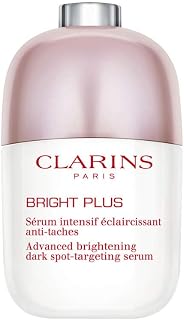


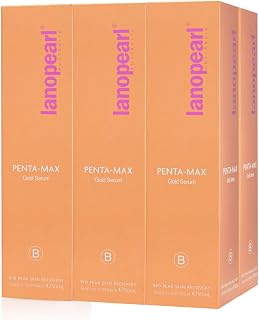


Serums are lightweight skincare products designed to deliver concentrated ingredients as part of a targeted routine. Compared with heavier creams and lotions, many serums have a thinner texture that can layer comfortably beneath moisturiser and sunscreen. They can help you focus your routine on particular skincare goals while keeping the overall process simple.
For shoppers in Australia, selecting a serum starts with understanding your skin type, preferred texture and everyday skincare needs. A formula that suits dry skin may feel different from one designed for oily or combination skin. Likewise, someone looking for hydration may have different priorities from a shopper interested in a more even-looking complexion or smoother-feeling skin. Checking the product description and ingredient information can make it easier to compare suitable options.
Different serum formulas are created around different skincare concerns and preferences. Hydrating serums are a popular choice for skin that feels dry or tight and can be incorporated into morning or evening routines. Brightening-focused formulas may suit shoppers who want their complexion to look more radiant and refreshed. Smoothing and renewing formulas can be considered when texture and the appearance of fine lines are part of a broader skincare routine.
When comparing products, look beyond the word “serum” on the label. Consider the key ingredients, intended use, recommended application and skin type information supplied by the manufacturer. If you already use active skincare ingredients, checking how a new serum fits with your existing routine can also help you avoid unnecessary product overlap.
Hydrating serums can provide a lightweight way to add moisture-focused care to a routine. They may be especially appealing when skin feels dehydrated or lacks a comfortable, supple feel. Depending on the formula, ingredients such as hyaluronic acid, glycerine or other humectants may be used to support hydration.
Brightening serums are commonly selected by shoppers who want a more radiant and even-looking complexion. Formulas can contain ingredients chosen for their role in supporting the appearance of skin tone. Always follow the manufacturer's directions, particularly when introducing a concentrated active ingredient into your routine.
Some serums are designed around skin texture, visible signs of ageing or other specific skincare goals. These formulas may contain more targeted active ingredients and can require careful use. Start according to the product instructions and consider introducing one new active product at a time so you can understand how your skin responds.
Start by identifying what you want the product to add to your current skincare routine. If hydration is your priority, look for a formula positioned around moisture support. For a brighter-looking complexion, compare brightening ingredients and usage directions. If you have combination or oily skin, you may prefer a lightweight, non-heavy texture, while dry skin may benefit from a serum that layers comfortably with a richer moisturiser.
Ingredient lists are another useful comparison tool. Look for ingredients that align with your personal skincare goals and check the product's directions before use. If your skin is sensitive, consider fragrance, exfoliating ingredients and other actives when deciding whether a formula is appropriate for your routine. Patch testing can also be a sensible precaution when trying a new skincare product.
A serum usually works as one part of a broader skincare routine. A simple approach can include cleansing, applying the serum according to its directions, moisturising and using sunscreen during the day. The precise order can vary by product, so always follow the manufacturer's instructions.
Using more products does not automatically create a better routine. A focused selection that addresses your priorities can be easier to maintain. Introduce new formulas gradually and monitor how your skin feels. If a product causes persistent irritation, discontinue use and seek appropriate professional advice.
Australian shoppers can compare serums by considering formula, ingredients, skin type suitability, application instructions and intended skincare benefits. Think about whether you need a product for morning use, evening use or either part of your routine. Packaging size and texture can also matter if you travel frequently or prefer a compact daily skincare collection.
Sun protection is particularly important in an Australian skincare routine. A serum should complement, rather than replace, a broad-spectrum sunscreen. When using formulas containing active ingredients, read the manufacturer's guidance about daytime use and sun exposure.
Explore the available serums to compare options for hydration, brightening, smoothing and other targeted skincare needs. By matching the formula with your skin type and routine, you can make a more informed choice and create a skincare regimen that is practical for everyday use.
Discover serums for Australian skincare routines and choose targeted formulas to complement your daily beauty regimen. Whether you want added hydration, a brighter-looking complexion, smoother-feeling skin or focused everyday care, the right serum can become a useful step between cleansing and moisturising.