

♥ Wishlist


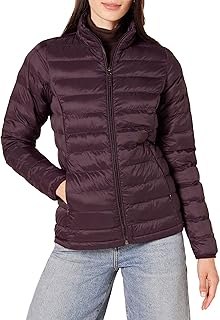


Puffer jackets and down jackets are popular choices for staying warm without relying on bulky winter layers. Their quilted construction helps hold insulating material in place, creating pockets that can trap warmth around the body. Depending on the design, these jackets can work well for daily commuting, weekend trips, travel, hiking and other outdoor activities. Australian shoppers can choose from lightweight layers for mild conditions through to more insulated designs for colder destinations and winter environments.
When comparing puffer jackets and down jackets in Australia, start by considering where and when you plan to wear the jacket. Australia's climate varies considerably between regions. A jacket that works well for a cool Melbourne morning may feel too warm for a milder coastal climate, while travellers heading into alpine areas may need considerably more insulation. Think about your local temperatures, wind exposure, activity level and whether you will wear the jacket over a T-shirt, jumper or other layers.
Down jackets use natural down insulation, while puffer jackets may use either down or synthetic filling. Down is valued for its warmth-to-weight performance and compressibility. Synthetic insulation can offer practical performance in damp conditions and is often selected by shoppers who want an easy-care outer layer. The best option depends on your intended use, climate and personal preferences rather than the name of the jacket alone.
Pay attention to product specifications when comparing different options. Details such as insulation type, jacket weight, construction, lining and overall thickness can help you understand how a jacket may perform. If you are buying for travel, a lightweight and compressible design can be especially convenient because it takes up less space in a suitcase or day pack. For colder conditions, a thicker construction may provide greater coverage and insulation.
Fit affects both comfort and warmth. A jacket should allow enough room for natural movement and, when appropriate, an additional layer underneath. However, excessive space can reduce comfort and make the jacket less practical in windy conditions. Check the available sizing information carefully and compare measurements where they are provided.
Consider the length and shape as well. Shorter puffer jackets can provide freedom of movement and suit casual everyday outfits, while longer designs can offer additional coverage around the hips and upper legs. Features such as elasticated cuffs, adjustable hems and high collars can also help create a more secure fit. A hood may be useful for shoppers who want extra protection from wind or light precipitation.
Practical details can make a significant difference when selecting winter outerwear. Look for secure pockets if you regularly carry a phone, keys or other small essentials. A full-length zip can make layering straightforward, while snap or zip closures can provide additional coverage. Some designs also include internal pockets, adjustable features or packable construction for added convenience.
For active use, consider how much freedom of movement the jacket provides. A lightweight puffer can work as an insulating layer during walks and outdoor activities without adding unnecessary bulk. For everyday wear, you may prefer a balance between warmth, comfort and appearance that works with jeans, trousers, activewear or other casual clothing.
A versatile puffer jacket can be useful when travelling between different Australian climates. It can also become an important part of a cold-weather packing list for trips to alpine regions or overseas destinations. Lightweight designs are particularly convenient because they can be worn as a mid-layer or outer layer depending on the conditions.
If you expect wet or changeable weather, consider the jacket's construction and care requirements rather than assuming every insulated jacket provides the same protection. A puffer jacket is primarily designed to provide insulation, so you may still need a separate waterproof or weather-resistant outer shell in persistent rain or harsh conditions.
Before buying, consider the temperature range, intended activity, insulation type, fit and storage needs. For mild winter days, a lightweight jacket may be sufficient. For colder environments, choose a design with greater insulation and coverage. If you travel frequently, packability and weight may be higher priorities. By matching the jacket to your lifestyle and expected conditions, you can select outerwear that provides useful warmth without unnecessary bulk.
Explore the available puffer jackets and down jackets to compare styles for everyday wear, travel and outdoor use. Focus on the features that matter most to you, check sizing information before ordering, and select a design that complements your Australian winter wardrobe.
Stay warm and comfortable through cooler Australian weather with puffer jackets and down jackets designed for versatile everyday layering. Whether you need a lightweight jacket for brisk mornings, a warmer option for winter travel, or an insulating layer for outdoor activities, this category brings together practical outerwear styles for different needs. Compare insulation, fit, weight and design features to find a jacket that suits your climate, routine and personal style.