

♥ Wishlist




Hoverboards offer a compact way to enjoy powered personal mobility. They use two side-by-side wheels and a self-balancing platform that responds to the rider's movement. This makes them popular for recreational use, short rides and outdoor leisure activities. When shopping for hoverboards Australia customers should consider more than appearance. Battery performance, wheel design, rider weight limits, charging requirements and intended riding conditions can all affect the experience.
Australian shoppers can compare different hoverboard styles according to where and how they expect to ride. A compact model can suit users who value easier handling and storage, while a larger wheel configuration may provide a different feel over suitable riding surfaces. Before purchasing, always check the manufacturer's specifications and make sure the product is appropriate for the intended rider.
Choosing a hoverboard starts with identifying the features that matter most for your riding habits. Consider the rider's size, experience level, expected riding surface and how frequently the board will be used. Product specifications can also help you compare models more confidently.
Wheel size influences handling and the type of surface a hoverboard is designed to accommodate. Smaller wheels can provide a compact design and responsive handling on suitable smooth surfaces. Models with larger wheels may offer a different riding experience where their specifications permit use on less even surfaces. However, hoverboards are not automatically suitable for every outdoor environment, so check the manufacturer's stated operating conditions before riding.
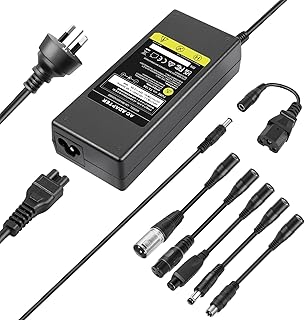
Battery capacity and charging characteristics are important when comparing hoverboards. Look at the manufacturer's claimed riding range, charging time and battery specifications rather than relying on appearance alone. Actual range can vary with rider weight, terrain, riding style, temperature and other conditions. Follow the supplied charging instructions and use only the appropriate charger.
Every hoverboard should have clearly stated rider requirements. Check the recommended minimum and maximum rider weight before buying. Children and inexperienced riders may also need additional supervision and appropriate protective equipment. A hoverboard should always be used according to the manufacturer's instructions and safety guidance.
Modern hoverboards can include a range of convenience and design features. Depending on the model, shoppers may encounter integrated lights, Bluetooth connectivity, different riding modes, illuminated wheels or other entertainment-focused functions. These features can make a product more appealing, but core specifications should remain the priority.
Build quality is another consideration. Look for clear information about the chassis, wheels, platform, electrical components and battery system. A straightforward specification list makes it easier to compare products and identify a model that suits your intended use. If a product's specifications or operating requirements are unclear, seek clarification before purchase.
Safety should be part of every hoverboard purchase. Riders should wear suitable protective equipment, including a properly fitted helmet, and consider additional protection for knees, elbows and wrists. Beginners should practise in a controlled area away from traffic, pedestrians and obstacles until they become comfortable with the controls.
Australian shoppers should also check the rules that apply to hoverboards in their state or territory and the specific location where they intend to ride. Rules for powered personal mobility devices can vary by jurisdiction and may change over time. Do not assume that a hoverboard can be used on public roads, footpaths, bicycle paths or other public areas simply because it is available for sale. Check current local requirements before riding.
Proper care can help keep a hoverboard ready for use. Keep the board clean and dry where the manufacturer's instructions require it, inspect the wheels and exterior for damage, and monitor the charging equipment for signs of wear. Store the hoverboard according to the battery manufacturer's recommendations and avoid exposing it to unsuitable temperatures or moisture.
Do not modify the battery, charger or electrical components. If the hoverboard shows unusual behaviour, physical damage, overheating or charging problems, stop using it and follow the manufacturer's service guidance. Regular checks are particularly useful before extended periods of storage or after frequent riding.
The right hoverboard depends on the rider, intended environment and preferred features. Compare wheel configuration, battery information, rider capacity, dimensions and available features before making a decision. It is also worth considering storage space and charging access at home.
For Australian shoppers, responsible product selection includes checking whether the model is appropriate for the intended riding location and whether current local regulations permit its use there. By combining product specifications with safe riding practices, you can make a more informed choice when exploring hoverboards online.
Discover hoverboards for recreational riding and personal mobility in Australia. Compare hoverboard designs, wheel sizes, battery performance, rider suitability and practical features to find an option that matches your needs.