

♥ Wishlist


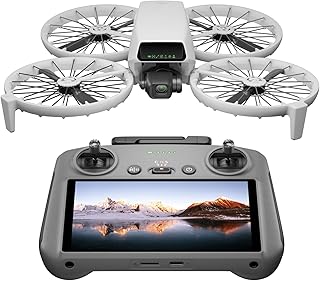


Drones have become versatile flying devices for photography, recreation, exploration and skill development. The right model depends on how you plan to use it, where you expect to fly and which features matter most. Australian shoppers can compare different drone types by looking at camera quality, flight stability, battery life, control options, portability and overall design.
Camera drones are popular with users who want to capture photos and video from an elevated perspective. Depending on the model, features may include an integrated camera, stabilisation, automated flight functions and different recording capabilities. If aerial photography is your main goal, pay close attention to camera specifications and image stabilisation rather than choosing a drone based only on its appearance.
Beginner drones can provide a practical way to learn basic flight controls. Smaller and simpler models may be easier to handle while you become familiar with take-off, landing, direction changes and hovering. Some designs also include simplified controls that can make early flying sessions more approachable.
More advanced drones can offer additional controls and features for experienced pilots. Depending on the product, these may include improved cameras, longer flight times, greater control capability and automated flight functions. Before selecting an advanced model, consider whether its additional features match your intended use.
A camera drone can open up creative possibilities for landscape photography, travel footage, outdoor projects and recreational content creation. When comparing camera drones, examine resolution, video capabilities, stabilisation and the way the camera is mounted. A stable camera system can help produce smoother footage, while a compact design can make the drone easier to transport.
Storage and battery requirements are also worth considering. If you plan to spend longer periods outdoors, check the available battery configuration and charging arrangements. Carrying spare batteries may be useful where compatible and permitted, particularly for extended recreational sessions.
Flight time is one of the most useful specifications to compare because it affects how long you can operate the drone between charging sessions. Control range can also be relevant, although the practical flying distance should always remain within applicable Australian requirements and safe operating conditions.
Size and weight can influence portability and handling. Compact drones are convenient for travel and storage, while larger models may provide different performance characteristics. Look at the manufacturer's stated dimensions and weight rather than assuming that a smaller drone will automatically suit every purpose.
Battery capacity and expected flight time can vary significantly between models. Check the stated flight duration and understand that real-world performance can change with wind, flying style, payload and other conditions. Consider how the battery is charged and whether replacement or additional compatible batteries are available.
Control layout, responsiveness and stability can affect the flying experience. Beginners may prefer straightforward controls, while experienced pilots may want more precise manual options. Features designed to assist hovering, positioning or automated flight can also influence how easy a drone is to operate.
Recreational drones can provide an engaging way to develop piloting skills and explore aerial perspectives. Before flying outdoors, select a suitable open area and check the local rules and restrictions that apply to drone operations. Avoid areas where flying could create a safety or privacy risk, and follow official Australian aviation requirements.
Weather conditions also matter. Wind, rain and poor visibility can affect stability, battery performance and safe operation. Always check the manufacturer's operating guidance and inspect the drone before each flight. A basic pre-flight check can include the propellers, battery, controls and surrounding flying area.
When shopping for drones in Australia, start by defining your purpose and experience level. A beginner looking for recreational flying may have different priorities from a photographer seeking aerial footage. Compare product specifications carefully and consider portability, battery performance, camera features, control options and included accessories.
It is also important to understand that Australian drone rules can depend on factors such as the drone's weight, purpose and operating environment. Requirements can change, so check current guidance from the Civil Aviation Safety Authority before flying. Responsible operation helps protect people, property, privacy and other airspace users.
A suitable drone balances useful features with your intended flying experience. Compare specifications rather than focusing on a single feature, and consider the complete setup, including batteries, charging equipment, controllers and other supplied accessories. For photography, prioritise camera and stabilisation capabilities. For learning, consider controllability and simplicity. For travel, look closely at size and portability.
By matching the drone to your experience, location and intended use, you can narrow the available choices and shop with greater confidence. Always read the product information and manufacturer's instructions before operating a drone, and check the latest Australian aviation rules for your specific circumstances.
Explore drones for photography, recreation, learning and everyday outdoor flying with options suited to different experience levels and uses. Whether you are looking for a compact camera drone to capture aerial footage, a straightforward model for beginners or a remote-controlled drone for recreational flying, this category helps Australian shoppers compare the features that matter before buying. Consider flight time, camera capability, control range, size, portability and intended use when choosing a drone for your needs.