

♥ Wishlist


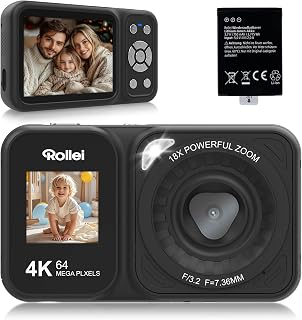

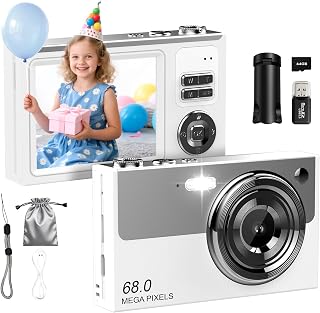


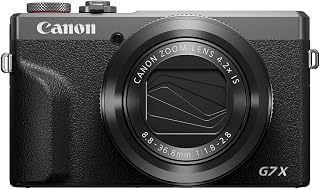


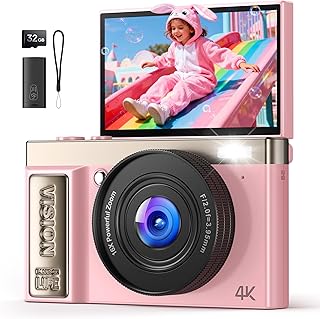


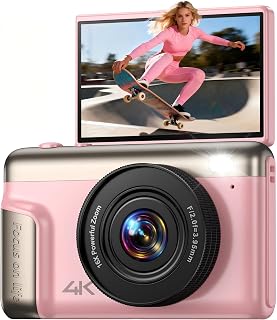


Digital cameras and DSLR cameras give Australian shoppers a dedicated option for taking high-quality photographs and videos without relying solely on a smartphone. From casual photography to more advanced creative work, the right camera can provide greater control over composition, exposure, focus and lens selection. This category brings together camera options for different levels of experience, shooting styles and practical requirements.
When comparing digital cameras, consider how and where you expect to use the camera. A compact digital camera can be convenient for travel, family events and everyday photography because it is generally easier to carry. DSLR cameras are designed for users who want interchangeable lenses and hands-on control over photographic settings. Your preferred shooting style, portability requirements and interest in learning photography can all influence which type is appropriate.
Different photography situations call for different features. Travellers may prioritise a compact body and straightforward controls, while enthusiasts may look for interchangeable lenses, manual settings and a viewfinder. Portrait photographers can consider cameras and lenses that support background separation, while landscape photographers may value image quality, lens compatibility and useful manual controls.
If you plan to record video as well as photographs, check the camera's video capabilities, recording formats, autofocus performance and connectivity options. Content creators may also benefit from features such as a tilting display, microphone support or wireless connectivity, depending on the intended workflow. Checking these specifications before purchase helps you select equipment that matches your actual requirements.
The image sensor plays an important role in how a camera captures light and detail. Sensor size can affect image quality, low-light performance and depth of field. Rather than choosing a camera based on megapixels alone, consider the complete combination of sensor characteristics, lens options and image-processing capabilities.
Lens compatibility is particularly important when considering a DSLR or another interchangeable-lens camera. Different lenses can support wide-angle landscapes, portraits, close-up photography, wildlife and other subjects. Check the compatible lens mount before purchasing additional lenses so your equipment works together correctly.
Autofocus performance can make a significant difference when photographing moving subjects. Look at autofocus modes, subject detection capabilities and continuous shooting specifications if you regularly photograph sport, wildlife, children or other fast-moving scenes.
Australian shoppers often use cameras for travel, outdoor adventures, holidays and family occasions. A lighter camera can be easier to carry throughout the day, while a model with suitable battery life and storage support can reduce interruptions during longer outings. Consider the camera's physical size, weight, battery requirements and memory-card compatibility before making a choice.
For outdoor photography, also consider the environments where the camera will be used. Beach trips, hiking, camping and changing weather conditions can place different demands on equipment. A suitable protective case, spare battery and additional memory card can be useful additions for longer trips.
The camera body is only one part of a photography setup. Depending on your needs, useful accessories can include interchangeable lenses, memory cards, spare batteries, chargers, camera bags, tripods and protective filters. A tripod can help with landscape, night and long-exposure photography, while a suitable camera bag can make it easier to transport equipment safely.
When buying accessories, always check compatibility with your specific camera model. Batteries, chargers, lenses, memory cards and other equipment can have model-specific requirements. Reviewing manufacturer specifications and product details can help prevent compatibility problems.
Start by identifying your main photography goals and setting a realistic budget. Next, compare camera type, sensor specifications, lens compatibility, autofocus, video features, connectivity, battery life and physical size. If you are new to photography, prioritise controls and features that you understand and expect to use rather than paying for specifications that do not match your needs.
It is also useful to consider your future photography plans. If you expect to experiment with different subjects, an interchangeable-lens system may provide greater flexibility. If portability is your main concern, a smaller digital camera may be more practical. Comparing specifications alongside your intended use can help you build a camera setup that remains useful as your photography skills develop.
Explore digital camera and DSLR options through the supplied category page and compare products according to your photography requirements. Pay attention to specifications, included equipment, compatibility and available features before ordering. Australian shoppers should also review delivery information, warranty details and return conditions applicable to the product before completing a purchase.
Whether you are taking your first steps into photography or expanding an existing setup, a thoughtful comparison can help you choose equipment that fits your subjects, shooting environment and creative goals.
Capture holidays, family occasions, landscapes, portraits and everyday moments with digital cameras and DSLR cameras suited to different photography needs. Whether you are learning photography, creating content or looking for more control over your images, choosing the right camera starts with understanding the features that matter to you.