

♥ Wishlist
Compare 60 verified Swimwear & Beachwear for Australian Summer Days products in Australia. Reviews, ratings, pros, cons and buying advice updated for October 2026.


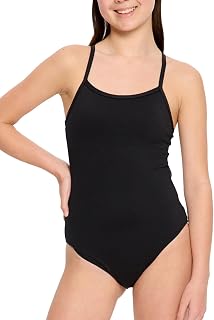


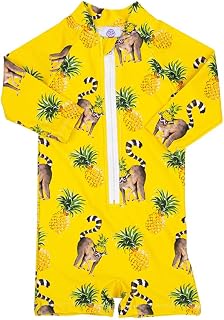

Choosing swimwear in Australia involves more than picking a colour or style that looks good. The right option should suit the intended activity, provide a comfortable fit, handle exposure to sun and salt water, and match the conditions in which it will be worn. A swimsuit for relaxed pool days has different requirements from swimwear intended for lap swimming, surfing, snorkelling, beach exercise or regular family holidays.
Australia's varied coastal environments also make material choice and construction important. A product used frequently in chlorinated pools may face different stresses from one regularly exposed to salt water, sand and strong sunlight. When comparing swimwear and beachwear, consider fabric composition, stretch recovery, lining, stitching, support, coverage, adjustability, drying characteristics and care requirements rather than relying on appearance alone.
High-quality swimwear should balance comfort, fit, movement and durability. No single material or construction style is ideal for every swimmer, so the best choice depends on how and where the garment will be used.
Common swimwear fabrics include nylon, polyester, elastane and blends of these fibres. Nylon can provide a soft feel and comfortable stretch, while polyester is often selected for durability and resistance to repeated use. Elastane, sometimes described by brand-specific names such as Lycra, contributes stretch and helps a garment conform to the body.
A fabric with substantial stretch is useful for active swimming because it allows unrestricted movement. However, stretch alone does not indicate quality. Look for fabric that returns to its original shape rather than remaining loose after movement. For frequent swimmers, fabric resilience and resistance to chlorine, salt and sunlight may be more important than an exceptionally soft hand feel.
Swimwear should stretch where movement requires it without becoming excessively loose. Check whether the garment has sufficient recovery around the waist, leg openings, bust or shoulders. Poor shape retention can result in gaping, shifting straps or reduced coverage.
When comparing products online, specifications describing stretch, fabric composition and construction can provide useful information. Customer feedback can also reveal recurring fit issues, but individual body shape differences mean reviews should be treated as supplementary evidence rather than a guarantee of fit.
A lining can improve comfort, coverage and confidence, particularly in lighter-coloured swimwear. Double-layer construction may also reduce transparency when fabric becomes wet. Check whether the garment is fully lined or only lined in selected areas.
For one-piece swimsuits, bikinis and swim briefs, consider how the lining interacts with the intended activity. A lining that feels comfortable when standing may behave differently during vigorous swimming or water sports if the garment is not properly fitted.
Examine the position and construction of seams, particularly on garments intended for active use. Flat or carefully finished seams can reduce rubbing, while reinforced areas can be useful where repeated movement places additional stress on the fabric.
Look for consistent stitching and securely finished edges. Drawstrings, hooks, clasps, adjustable straps and other hardware should be appropriate for the garment's intended use and should not create unnecessary pressure or discomfort.
One-piece swimsuits provide substantial coverage and are available in designs ranging from simple recreational styles to performance-oriented swimming suits. They can be a practical choice for swimming laps, family beach days and general holiday use.
When comparing one-piece swimsuits, pay attention to back design, leg height, neckline, bust support, strap configuration and torso length. A swimsuit can be the correct nominal size but still feel uncomfortable if the torso is too short or the straps do not provide the desired adjustment.
Bikinis provide flexibility because the top and bottom can often be selected separately. This can be particularly useful when the wearer needs different sizes or levels of coverage between the upper and lower body.
Important considerations include top support, cup construction, strap adjustment, band security and the design of the bottoms. For active swimming, a secure fit is generally more important than a minimalist cut.
Tankinis combine a longer swim top with separate bottoms. They can offer an alternative to a conventional one-piece while providing more torso coverage than many bikini designs.
When choosing a tankini, consider whether the top remains in place during movement and whether the bottom provides adequate security. Longer tops can also be useful for beach activities where additional coverage is preferred.
Rash vests and rash guards are designed for activities where additional upper-body coverage is useful. They are commonly considered for surfing, paddleboarding, swimming, snorkelling and extended periods around the water.
Fit is particularly important. A loose rash vest may move excessively in the water, while an overly tight garment can restrict movement. Consider sleeve length, neckline, fabric stretch, seam placement and the intended activity before choosing a size.
Board shorts are commonly associated with surfing and beach activities, while shorter swim shorts may be more convenient for swimming and casual pool use. Compare waistband construction, drawcord design, pocket placement, liner configuration and fabric weight.
For water activities, unsecured pockets and bulky hardware can be inconvenient. If pockets are important, check whether they have secure closures and whether their position is practical for the intended activity.
Swim skirts and swim dresses can provide additional coverage while retaining the flexibility of swimwear. Their suitability depends heavily on the construction of the garment underneath the outer layer.
Check whether integrated briefs or shorts are included, how securely they fit and whether the outer material is designed to remain comfortable when wet. Additional fabric can also affect drying time.
Lap swimming generally benefits from a streamlined garment that stays securely in place. Excess fabric, loose straps and unsecured components can become distracting during repeated movement.
Surfing and active water sports place greater demands on garment security. A swimsuit that is comfortable while standing on the beach may not provide sufficient stability during repeated movement in waves.
For relaxed beach use, comfort and versatility often matter more than specialised performance. A practical beachwear combination might include swimwear, a rash vest, a lightweight cover-up, a wide-brimmed hat and suitable footwear.
Ease of changing can also matter when travelling with children or moving between swimming, eating and sightseeing. Garments that dry reasonably quickly and can be washed easily may be more convenient for repeated holiday use.
Poolside swimwear often needs to work both in and out of the water. Consider how the garment looks and feels when dry as well as when wet. Adjustable features can help achieve a more personalised fit, while cover-ups provide an easy transition from the pool to other areas.
Beach cover-ups include kaftans, sarongs, tunics, lightweight shirts, dresses and loose trousers. The best option depends on how much coverage is required and whether the garment is intended for the beach alone or for walking to cafes, shops and accommodation.
Natural and lightweight fabrics can feel comfortable in warm weather, while quick-drying synthetic blends may be convenient around water. Consider transparency, breathability, weight and ease of washing.
Rash guards can reduce direct contact between skin and equipment while also providing additional coverage. They are particularly relevant for people spending extended periods surfing, paddling or participating in other water activities.
Do not assume that every rash vest offers the same level of sun protection. If sun protection is a deciding factor, check the manufacturer's stated specifications rather than inferring performance from fabric colour or thickness.
A suitable beach hat can complement swimwear while providing useful coverage. Compare brim width, crown construction, ventilation, packability and how securely the hat stays in place in breezy conditions.
For travel, a foldable design may be convenient, but repeated compression can affect the shape of some hats. Consider whether portability or structure is more important for the intended use.
Large beach towels, changing towels and lightweight travel towels serve different purposes. When comparing them, consider absorbency, size, drying time, fabric weight and storage requirements.
For travel, a towel that occupies less luggage space may be preferable. For family beach trips, however, a larger towel can provide more practical coverage and comfort.
Fit is one of the most important factors when comparing swimwear. A product with excellent materials can still be unsuitable if its proportions do not match the wearer.
Swimwear sizing is not perfectly consistent between brands. A medium from one manufacturer may not correspond exactly to a medium from another. Before purchasing, check the current size chart supplied for the specific product.
Excessive gaping, slipping straps, loose leg openings or fabric that does not sit close to the body can indicate that the garment is too large or unsuitable for the wearer's proportions.
Persistent digging, uncomfortable pressure, excessive fabric tension, restricted shoulder movement or significant pulling around seams can indicate that the garment is too small or poorly proportioned.
Adjustable straps, ties, drawcords and removable padding can make it easier to achieve a secure fit. However, adjustability should not be used to compensate for a fundamentally unsuitable size.
Swimwear is exposed to conditions that can accelerate fabric wear. Sunlight, salt water, chlorine, sunscreen, body oils, sand and repeated washing can all affect appearance and performance over time.
For frequent pool use, chlorine resistance may be an important specification. For beach use, salt and UV exposure become more relevant. A product intended for occasional holidays may have different durability requirements from swimwear worn several times each week.
Chlorinated pools can be demanding on swimwear fibres, especially with frequent exposure. If regular pool swimming is the primary purpose, consider products specifically designed or marketed for repeated chlorine exposure and follow the manufacturer's care instructions.
Salt water itself is not necessarily the only concern. Sand can become trapped in seams and fabric, creating friction and making garments more difficult to clean. Rinsing swimwear with fresh water after use can help remove salt, chlorine and other residues.
Extended exposure to sunlight can affect colours and materials. Drying swimwear in direct, intense sunlight may not always be ideal for longevity. Follow the care instructions provided with the garment rather than assuming all swimwear should be treated identically.
Proper care can help preserve the fit and appearance of swimwear. Always follow the manufacturer's washing and drying instructions because materials and finishes vary.
A flattering colour or attractive pattern does not guarantee comfort, durability or suitability for swimming. Examine construction, measurements and intended use before making a decision.
Buying your usual clothing size without checking the product-specific measurements can lead to avoidable fit problems. Swimwear often uses different sizing systems and proportions.
Performance-focused swimwear may prioritise secure movement and streamlined construction. That can be beneficial for swimming but unnecessary for someone who primarily wants relaxed beachwear.
Some fashion-oriented styles are designed primarily for appearance and casual use. Minimal straps, decorative components or less secure construction may not be ideal for surfing, diving or vigorous swimming.
A garment that requires careful handling may be inconvenient for someone who swims frequently. Check washing and drying instructions before purchase, particularly when comparing several otherwise similar options.
Ratings can help identify recurring strengths or complaints, but they should be interpreted alongside specifications. A product may receive positive feedback from casual beach users while being unsuitable for someone looking for frequent lap-swimming performance.
When comparing several options, use the same criteria for each product rather than judging one primarily by appearance and another primarily by price.
Australian buyers should consider where the swimwear will be used. A product intended for occasional pool use has different requirements from one used for coastal swimming, surfing or extended outdoor activities.
Consider the climate and activity pattern associated with your location. Someone spending most weekends at the beach may value durable fabric and secure construction, while an occasional holiday swimmer may prioritise comfort, style, packability and versatility.
Also check the product listing carefully for Australian sizing information, current specifications, material composition and care instructions. Product details can change, so the specification shown for the exact item and variant should take precedence over assumptions based on older descriptions.
Well-known brands can be useful starting points when researching swimwear because their ranges often cover different activities, fits and price levels. Examples available to investigate in the Australian market include Speedo, TYR, Arena, Adidas, Nike, Billabong, Roxy, Rip Curl, Seafolly and Zoggs.
Brand reputation should not replace product-level comparison. Even within the same brand, different collections can have substantially different fits, fabrics, coverage and intended uses. Compare the exact product specifications and current size information before purchasing.
Customer reviews are most useful when they contain specific information about fit, construction and real-world use. Look beyond the overall rating and search for repeated observations.
Reviews should still be interpreted cautiously. Body shape, swimming habits, laundering practices and personal preferences differ considerably, so a single review should not be treated as universal evidence.
The cheapest swimwear is not necessarily the most economical choice if it loses its shape quickly, becomes uncomfortable or is unsuitable for the intended activity. Conversely, a higher-priced product is not automatically better.
A sensible comparison considers expected use, construction, material, fit, care requirements and versatility. Someone swimming several times a week may reasonably place greater importance on durability than someone purchasing a swimsuit for one annual holiday.
When comparing current prices, check the exact size and colour because pricing can vary between variants. Also confirm the retailer's current shipping, return and exchange conditions before completing a purchase.
There is no single swimwear style that is universally best for every body shape. The most useful approach is to identify the features that make a garment comfortable and secure for the individual wearer.
Adjustable straps can help accommodate different torso proportions. Higher-waisted bottoms can provide additional coverage for shoppers who prefer it. Structured cups, wider straps and supportive bands can be useful where additional bust support is desired. Longer torso options can help people who find standard one-piece proportions uncomfortable.
These are fit considerations rather than rules. Personal comfort and the intended activity should ultimately determine the choice.
Children's swimwear should be selected according to fit, comfort, intended activity and practical care. Growing children may require more frequent size checks than adults, so avoid relying solely on the child's previous clothing size.
For active swimming and beach play, secure construction can be particularly important. Rash vests and other coverage-focused garments may also be useful depending on the activity and conditions. Check the manufacturer's current sizing and care information before purchase.
For holidays, consider how much space swimwear occupies, how quickly it can be rinsed and dried, and whether one garment can serve several purposes. Packing multiple lightweight options can also make it easier to rotate wet garments rather than repeatedly wearing the same piece.
An all-rounder should offer a practical balance of comfort, secure fit, versatility and reasonable durability. It does not necessarily need the most advanced construction or the lowest price.
For mixed use, look for a design that can transition between swimming and relaxed beach activities without becoming uncomfortable. Neutral styling may increase versatility, while adjustable features can make the garment easier to fit.
However, if the primary activity is specialised, choosing a purpose-built product is often more sensible than trying to make one garment perform every role.
The best swimwear depends on how it will be used. For lap swimming, prioritise secure fit, freedom of movement and suitable fabric durability. For beach days, comfort, coverage and versatility may matter more. For surfing and water sports, secure construction and appropriate coverage become especially important.
There is no universal best material. Nylon, polyester, elastane and blended fabrics can each offer different combinations of softness, stretch, durability and shape retention. The most suitable fabric depends on the intended activity and frequency of use.
Neither is automatically better for every situation. Polyester is often valued for durability, while nylon can provide a soft feel and comfortable stretch. The construction of the complete garment, including elastane content, lining and stitching, also affects performance.
Swimwear should generally feel secure without causing persistent discomfort or restricting normal movement. Straps should not continually slip, openings should not gape excessively and the fabric should not create excessive pressure or pulling.
Performance swimwear often has a closer fit than casual beachwear because excess fabric can move in water. However, tight does not mean painfully restrictive. The garment should allow the movement required for its intended activity.
Focus on fabric durability, shape retention, secure construction and care requirements. If swimming frequently in a pool, investigate products designed for repeated chlorine exposure and follow their care instructions carefully.
Consider comfort, breathability, coverage, drying characteristics, ease of washing and how easily the garment transitions between beach and casual settings. Lightweight cover-ups can be particularly versatile.
No. Price alone does not establish quality. Compare fabric, construction, fit, intended use, durability claims, care requirements and customer feedback to determine whether a product offers appropriate value.
There is no universal replacement schedule. Replace swimwear when the fabric has significantly lost its shape, seams or straps have deteriorated, coverage has become inadequate, or the garment is no longer comfortable or suitable for its intended use.
Many swimsuits can be used in both environments, but frequent exposure to chlorine, salt water and sunlight can affect materials over time. Rinse the garment after use and follow its specific care instructions.
Check the exact size chart, fabric composition, lining, fit description, care instructions, intended use, current customer feedback and product variant. Also verify the current retailer's delivery, return and exchange conditions before purchase.
The strongest swimwear choice is the one that matches the wearer's activity, body proportions, preferred coverage and expected frequency of use. Instead of searching for one universally superior product, compare each option against the conditions in which it will actually be worn.
For performance swimming, place fit, movement and durability high on the list. For surfing and active beach use, prioritise secure construction and suitable coverage. For holidays and relaxed beach days, comfort, versatility, easy care and styling may carry greater weight.
Before purchasing, compare the latest specifications, size information and detailed customer feedback for the exact product and variant. Product availability, pricing and retailer policies can change, so confirm the current information in Australia at the time of purchase.