

♥ Wishlist
Compare 42 verified Bomber Jackets products in Australia. Reviews, ratings, pros, cons and buying advice updated for October 2026.


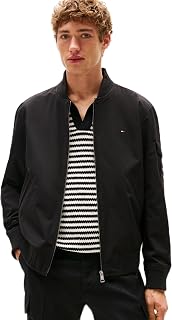


Finding the best bomber jacket in Australia is less about choosing the most fashionable design and more about matching the jacket's construction, insulation, weather resistance, fit and intended use to your lifestyle. A lightweight bomber that works well for a mild autumn day may be a poor choice for cold winter mornings, while a heavily insulated flight-inspired jacket can feel excessive in warmer parts of Australia.
Bomber jackets now cover a broad range of styles, from traditional MA-1 flight jackets and military-inspired designs to minimalist fashion bombers, waterproof outerwear and insulated winter jackets. Before comparing individual products, consider where and when you will wear the jacket, how much layering you need, whether you regularly encounter rain or wind, and how important a classic silhouette is to you.
Brands such as Alpha Industries and Schott NYC are closely associated with classic bomber and flight-jacket styling, while brands including Levi's and Uniqlo offer more fashion-oriented interpretations. The right choice depends on the specifications rather than the brand name alone, so compare the actual fabric, lining, insulation, cuffs, waistband, pockets, closure and care requirements of each jacket.
A well-designed bomber jacket should provide a useful combination of comfort, durability, mobility and protection for the conditions in which it will be worn. The traditional bomber silhouette is recognisable by its relatively short body, fitted rib-knit cuffs and waistband, and front zip closure. Modern versions may retain those features while using very different fabrics and insulation systems.
Nylon is strongly associated with classic flight jackets because it can provide a lightweight shell with useful abrasion resistance and wind protection. Nylon bombers can be practical for everyday wear, particularly when the jacket is primarily intended as an outer layer rather than a heavy winter coat.
Not all nylon jackets perform identically. Fabric weight, weave, coatings, lining and seam construction can substantially affect durability and weather resistance. A product described simply as a nylon bomber should therefore be assessed using its complete specification rather than the fibre name alone.
Polyester is widely used in contemporary bomber jackets because it can be lightweight, durable and relatively easy to maintain. It is also commonly used for outer shells, linings and insulation. Polyester does not automatically mean that a jacket is waterproof or particularly warm, so look for specific information about water resistance, insulation and lining construction.
Cotton bombers can provide a softer, more natural hand feel and may suit casual styling particularly well. Cotton can be comfortable in moderate conditions, but untreated cotton generally offers less inherent resistance to prolonged rain than purpose-designed technical outerwear. For Australian conditions where sudden showers are possible, check whether the fabric has a water-resistant treatment or whether the jacket is intended for dry weather.
Leather bomber jackets offer a distinctive appearance and can develop character with use. They are typically heavier than lightweight synthetic bombers and require more consideration around care, storage and exposure to moisture. Leather quality can vary considerably, so specifications should identify the type and construction of the leather where possible.
A leather bomber should not be selected solely because it looks substantial. Consider its weight, lining, flexibility, closure hardware and care requirements, as these factors have a direct effect on everyday comfort.
Wool and wool-blend bombers can provide warmth and a more structured appearance. They may be particularly appealing for cooler climates or winter styling, although a wool-rich jacket can behave differently from a nylon or polyester flight jacket in wet conditions. Check the exact fibre composition and recommended cleaning method before buying.
One of the most important buying decisions is whether you need an uninsulated, lightly insulated or heavily insulated bomber. A thin shell may be ideal for layering, whereas a padded jacket can provide more standalone warmth but may be less comfortable during Australia's warmer seasons.
When comparing insulated jackets, look for information about the insulation material, fill or weight where provided, lining and construction. A jacket with more visible padding is not necessarily warmer in every situation because wind resistance, fit and heat loss through cuffs and openings also matter.
This distinction is important when choosing a bomber jacket for Australian weather. A water-resistant jacket may shed light rain for a period, while a waterproof garment is designed and constructed to provide a higher level of protection against sustained precipitation.
Water resistance can come from the fabric itself, a durable water-repellent treatment, a coating or a combination of construction methods. However, water-resistant fabric does not automatically mean waterproof seams or a fully weatherproof garment.
If you regularly walk or commute in heavy rain, look beyond the word “water-resistant”. Examine whether the product specification discusses seam construction, closures, hood design, storm flaps or waterproof membranes. If rain protection is only an occasional requirement, a lighter water-resistant bomber may be more practical than a technical waterproof shell.
The traditional rib-knit cuffs and waistband are more than decorative details. They can help reduce gaps through which cold air enters, while also giving the bomber its characteristic shape.
Check whether the cuffs are sufficiently snug without restricting circulation or becoming uncomfortable during extended wear. The waistband should sit securely without riding up excessively when you move. If you plan to wear the jacket over knitwear or a hoodie, make sure the ribbing and overall cut can accommodate the additional bulk.
The classic bomber silhouette is relatively compact, but modern interpretations range from slim to oversized. Choosing between them should depend on your wardrobe and intended use rather than fashion terminology alone.
A slim bomber generally sits closer to the torso and works well with lightweight shirts and fitted knitwear. The main risk is selecting a size that looks neat but becomes restrictive when the arms are raised or when an additional layer is worn underneath.
A regular fit provides a useful balance between structure and mobility. It is often the safest option for an everyday jacket because it can accommodate a T-shirt, shirt or moderate knit layer without appearing excessively oversized.
An oversized bomber can create a contemporary streetwear look and provide substantial layering room. However, pay attention to sleeve length, shoulder width and waistband proportions. Oversized does not simply mean buying several sizes larger; a properly designed oversized jacket should have proportions intended for that silhouette.
Do not rely on S, M, L or XL labels alone. Sizing varies between brands, countries, cuts and individual product lines. Use the garment's actual measurement chart whenever one is available.
The front zipper is one of the most frequently used components of a bomber jacket. Look for clear product information about the zipper construction and whether it is covered or protected by a storm flap. A substantial-looking zipper does not necessarily indicate superior performance, so construction quality should be considered alongside the rest of the garment.
Think about what you actually carry. Handwarmer pockets are useful for everyday comfort, while internal pockets can be valuable for a phone, wallet or other small items. Zipped pockets can provide additional security, whereas open pockets can be faster to access.
Also consider pocket placement. A jacket can have numerous pockets but still be inconvenient if they are shallow, poorly positioned or difficult to access while seated.
Inspect the ribbing when comparing product photographs and specifications. Cuffs should help retain warmth and maintain the intended silhouette without feeling excessively tight. A durable waistband should recover its shape rather than becoming loose quickly with normal use.
The classic bomber collar is generally short and ribbed, but contemporary versions may use different materials or taller constructions. A higher collar can provide additional coverage, while a traditional low-profile collar may be more versatile for casual outfits.
The lining affects comfort, layering and how easily the jacket moves over clothing. Smooth linings can make sleeves easier to put on over shirts and knitwear, while quilted or fleece-lined interiors may increase warmth but also add bulk.
The terms “bomber jacket” and “MA-1” are often used interchangeably in casual shopping searches, but they are not necessarily identical descriptions. MA-1 styling is strongly associated with military flight-jacket design and commonly features a compact silhouette, ribbed cuffs and waistband, and a practical synthetic shell.
Modern bomber jackets can depart substantially from that design. Fashion versions may use cotton, leather, wool, lighter fabrics, unusual colours or oversized proportions. When comparing products, identify whether you want authentic flight-jacket styling or simply the general bomber silhouette.
A military-inspired bomber is usually the most recognisable interpretation. Neutral shades such as black, olive and navy can make this style easy to integrate with casual clothing.
A minimalist bomber removes some of the visual cues associated with flight jackets. Fewer external pockets, understated branding and a clean collar can make the jacket easier to wear with smart-casual clothing.
Varsity designs typically incorporate contrasting colours, patches, embroidery or striped ribbing. They can create a stronger statement and are best assessed according to the rest of your wardrobe.
A leather bomber has a more substantial appearance and can work as a long-term wardrobe piece when properly cared for. Because leather varies significantly in weight, finish and quality, compare the material description carefully rather than assuming every leather bomber will feel the same.
Technical bombers prioritise practical characteristics such as weather resistance, lightweight construction, insulation and functional pockets. These are worth considering if your primary objective is outdoor utility rather than a traditional fashion silhouette.
Colour should be considered alongside how frequently you expect to wear the jacket. Black is particularly easy to coordinate and can create a sharper appearance, while navy provides a slightly softer alternative. Olive is closely associated with military styling and works naturally with denim, neutral trousers and casual footwear.
Tan, beige, grey and brown can be useful alternatives when your existing wardrobe contains darker outerwear. Brighter colours and high-contrast designs can be attractive if the bomber is intended as a statement piece rather than an everyday layer.
Australia's climate varies considerably, so there is no single bomber jacket specification that is ideal everywhere.
A bomber jacket is versatile because its short, structured silhouette works with a wide range of casual clothing. A simple combination of a plain T-shirt, jeans and sneakers creates a traditional everyday look. Chinos can make the outfit slightly more polished without losing the casual character of the jacket.
During cooler weather, a bomber can be layered over a crew-neck jumper, sweatshirt or lightweight hoodie if the jacket has sufficient room. Avoid excessive layering beneath a slim-cut bomber because compressed layers can restrict movement and alter the intended shape.
For a cleaner smart-casual appearance, a minimalist bomber in black, navy, charcoal or another restrained colour can work with chinos or tailored casual trousers. The more decorative the bomber, the simpler the rest of the outfit should generally be.
Product photographs are useful for judging style, but they cannot tell you everything about warmth, fabric weight, construction or comfort. Always inspect the written specifications before making a purchase.
Price can reflect materials, construction, branding and design, but it is not a substitute for comparing specifications. A less expensive jacket may be the better choice for a buyer who needs a lightweight seasonal layer, while a more expensive garment may be justified when premium materials or specialised construction are genuinely useful.
A bomber that fits the chest can still have unsuitable sleeves or body length. Compare multiple measurements rather than relying on one number.
A jacket that handles light drizzle may not be appropriate for sustained heavy rain. Check the manufacturer's exact terminology and construction details.
More insulation is not automatically better in Australia's diverse climate. If you frequently transition between heated interiors and mild outdoor conditions, an overly warm bomber may be less practical than a lightweight layer.
Some jackets require specific washing, drying or cleaning methods. A product that looks excellent initially may be difficult to maintain if its care requirements do not fit your routine.
When several products appear similar, compare them using the same criteria rather than switching between different marketing claims. A simple comparison framework can make differences much easier to identify.
Retail listings can contain a mixture of useful technical information and broad marketing language. Focus on measurable or clearly defined characteristics wherever possible.
For example, “warm” is a subjective description, whereas insulation type, fabric composition and lining construction provide more useful information. Similarly, “premium fabric” is less informative than a clear statement identifying the fibre content and construction.
Pay particular attention to discrepancies between the product title and detailed specifications. If a listing describes a jacket as waterproof but the detailed information only mentions water-resistant fabric, treat the more specific construction information as the better basis for comparison.
Verified customer reviews can provide useful information that product specifications cannot always capture, especially concerning sizing, perceived fabric weight, comfort and real-world practicality. However, reviews should be interpreted systematically.
Durability is influenced by fabric, stitching, hardware, seam construction and how frequently the jacket is used. A jacket intended for daily commuting should be assessed differently from one worn occasionally as a fashion layer.
High-contact areas deserve particular attention. These can include pocket openings, cuffs, waistband, sleeve seams and the area surrounding the main zipper. Reinforced construction can be valuable where the jacket is expected to receive frequent use.
Fabric weight also needs context. A heavier fabric may feel substantial, but weight alone does not establish long-term durability. Construction quality and material characteristics matter just as much.
Following the manufacturer's care instructions is one of the simplest ways to protect a jacket's appearance and performance. Before washing or cleaning, check the care label for restrictions concerning machine washing, temperature, detergents, tumble drying and professional cleaning.
If a bomber will not be worn for several months, clean and completely dry it before storage. Keep it in a dry, well-ventilated environment and avoid prolonged compression that could deform insulation, ribbing or the overall shape.
Leather jackets require particular attention because excessive humidity, heat and unsuitable storage can affect the material. Follow the manufacturer's recommendations rather than applying an unfamiliar conditioner or cleaning product.
A bomber jacket is versatile, but it is not the universal solution for every weather or activity. If your primary requirement is prolonged heavy rain, a purpose-built waterproof shell may provide more appropriate protection. For extreme cold, a longer insulated coat may offer better coverage than the relatively short bomber silhouette.
Likewise, if breathability and unrestricted movement are priorities for strenuous outdoor activity, technical outerwear may be more suitable than a traditional fashion bomber. Choosing the right category before comparing individual products can prevent an otherwise attractive jacket from being used outside its intended purpose.
They can be, depending on the location, temperatures and construction of the jacket. A heavily insulated bomber with effective wind protection can work well in cold conditions, while a thin uninsulated bomber may be better suited to autumn, spring or mild winter weather.
Layering is particularly important. A versatile bomber that accommodates a jumper underneath can be more useful than a very thick jacket if temperatures fluctuate throughout the day.
Some are, but the answer depends on their construction. A water-resistant shell can be useful for light or short-duration rain, whereas sustained rainfall calls for a jacket specifically designed for waterproof protection.
Check the manufacturer's stated level of protection, seam construction, closures and hood configuration where applicable. Do not assume that a shiny nylon or polyester exterior is automatically waterproof.
The bomber jacket remains a highly adaptable outerwear style because its basic silhouette can be interpreted in many ways. Classic military-inspired versions provide a distinctive heritage look, while minimalist and oversized designs can fit contemporary wardrobes.
For maximum longevity, consider whether you would still wear the jacket if a particular trend disappeared. Neutral colours, restrained branding and a balanced fit generally provide more styling flexibility than highly seasonal details.
For everyday use, prioritise a comfortable regular fit, durable outer fabric, dependable closure, useful pockets and a level of insulation appropriate to your local climate. A versatile colour can also increase how often the jacket gets worn.
The best everyday option is not necessarily the warmest or most technically advanced product. It is the one whose specifications align with the majority of situations in which you expect to use it.
Look for a regular or relaxed fit with enough room across the chest and shoulders for a shirt or lightweight jumper. A smooth lining can make layering easier, while overly narrow cuffs and armholes can make a jacket uncomfortable even when the body measurement appears adequate.
A simple bomber in black, navy, charcoal, olive or another neutral shade is generally easier to combine with an existing wardrobe. Minimal branding, clean lines and a moderate fit can also make the jacket suitable for a wider range of outfits.
Brand history can be useful when evaluating a bomber jacket, particularly when a company has a longstanding association with a particular construction or style. Alpha Industries is notable for military-inspired flight-jacket designs, while Schott NYC is associated with heritage outerwear. Levi's offers a broad casualwear range, and Uniqlo is known for minimalist everyday clothing.
Brand recognition should still be treated as one buying factor rather than proof that a particular product is the best choice. Compare the individual jacket's material, construction, insulation, fit and care instructions before making a decision.
Start by deciding which objective matters most. If the jacket is primarily part of an outfit, silhouette, colour, material and detailing may deserve greater weight. If it is intended for commuting or outdoor use, weather protection, mobility, durability and practical pockets may be more important.
Many jackets attempt to balance both objectives, but compromises are common. A heavily insulated technical bomber may not have the sleek appearance of a lightweight fashion model, while a minimalist fashion bomber may offer limited protection against prolonged rain or cold.
When comparing today's prices, do not evaluate cost in isolation. Consider how frequently the jacket will be worn, how durable the materials appear to be, whether it covers the conditions you need, and whether you will require another jacket for a different season.
A versatile jacket that can be worn regularly across several seasons may offer better practical value than a highly specialised garment that only suits a narrow range of conditions. Conversely, paying more for technical features that you will never use does not necessarily improve value.
There is no single best bomber jacket for every Australian buyer. The right choice depends on climate, intended use, preferred fit, insulation requirements, material and budget. Compare the specifications of the shortlisted products against the conditions in which you will actually wear the jacket.
There is no universally best material. Nylon and polyester can be practical for lightweight or weather-oriented bombers, cotton can suit casual wear, leather offers a distinctive premium appearance, and wool blends can provide warmth and structure. The best material is the one that matches the jacket's intended purpose.
A bomber should generally be comfortable enough to allow unrestricted movement. The appropriate fit depends on the design and whether you plan to layer underneath. Use the manufacturer's measurements rather than assuming your usual clothing size will provide the same fit.
Yes, provided the bomber has sufficient room through the chest, shoulders and sleeves. Relaxed or regular-fit bombers are generally easier to layer over hoodies than slim designs.
Some are very warm and others provide little insulation. Warmth depends on insulation, lining, shell construction, fit and protection against wind. Always check the individual product specification.
Some bomber jackets offer substantial waterproof protection, but many are only water-resistant or designed primarily for dry weather. Look for explicit information about waterproof construction rather than assuming the outer fabric provides complete protection from rain.
The waistband should sit securely without feeling uncomfortably tight. It should maintain the characteristic bomber silhouette without excessively riding upward when you move or sit down.
Yes. Black is one of the easiest bomber colours to coordinate with jeans, chinos, neutral trousers, T-shirts, shirts and knitwear. It is a strong choice when you want one jacket to work across a wide range of casual outfits.
MA-1 refers to a specific flight-jacket design, while bomber jacket is a broader category. Many MA-1 jackets are bombers, but not every modern bomber follows MA-1 specifications or styling.
There is no universal schedule. Follow the care label and clean the jacket according to the material and manufacturer's instructions. Overwashing can be unnecessary, particularly for outerwear that is only lightly soiled.
Check the size chart, garment measurements, material composition, insulation, lining, care instructions, pocket layout, closure type and weather-resistance claims. Also review current customer feedback for recurring sizing or construction concerns.
The strongest bomber jacket choice is the one that solves your actual outerwear needs rather than simply having the longest feature list. Start with climate and intended use, then narrow the options by fit, material, insulation and weather protection. After that, compare construction details, practical features, care requirements and verified customer feedback.
For Australian shoppers, climate should remain central to the decision. A lightweight bomber can be more useful than a heavily insulated jacket in mild conditions, while colder regions may justify additional insulation and stronger wind protection. If rain is a regular concern, examine water-resistance claims carefully and consider whether a dedicated waterproof jacket would be more appropriate.
Before purchasing, compare the shortlisted products using the same criteria, read the latest available specifications and check today's retailer information for current sizing, stock and pricing. Brand names such as Alpha Industries, Schott NYC, Levi's and Uniqlo can provide useful starting points, but the individual product's construction and suitability should determine the final choice.